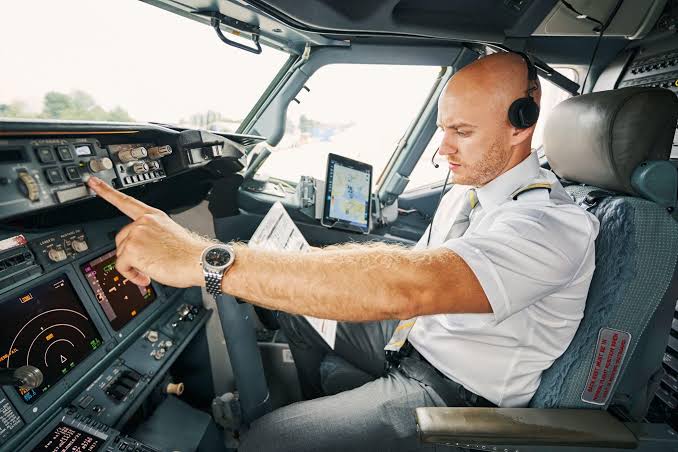
Why Good People Sometimes Make Mistakes
After spending more than forty-six years in aviation, I have learned that procedures alone do not keep aviation safe. Procedures are very important, but they only work when people follow them properly. At the end of the day, every clearance, every inspection, every checklist and every decision depends on a human being. Human beings are not machines. We all become tired, distracted, rushed or overconfident from time to time, and that is why mistakes still happen even in one of the safest industries in the world. Many people think that if there is a procedure, nothing can go wrong. Unfortunately, that is not how real life works. Procedures tell us what should be done, but they cannot control what people think, feel or do at a particular moment. One small lapse in concentration can be enough to create a dangerous situation.
Air Traffic Controllers Are Human Too
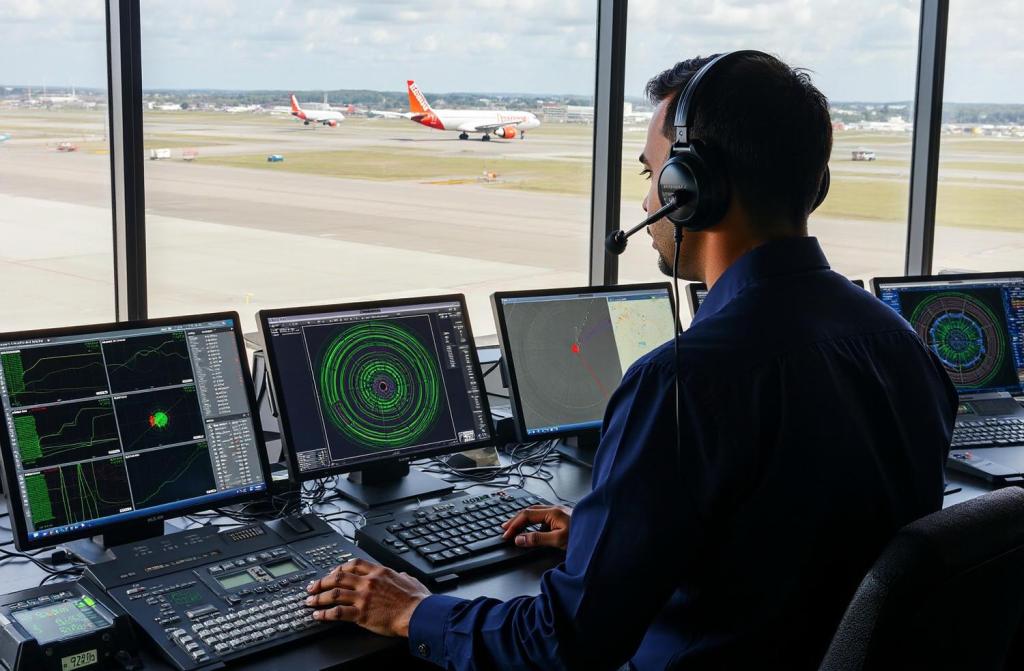
People often believe that air traffic controllers never make mistakes because they are highly trained. They are indeed highly trained, but they are still human. An air traffic controller may handle dozens of aircraft during a busy period while also coordinating with another control unit, talking to airport vehicles, watching the weather and updating flight progress strips or electronic displays. All it takes is one distraction for something important to be overlooked. I have seen situations where a controller became busy dealing with one aircraft emergency while another aircraft was waiting for a clearance. Fortunately, another controller noticed what was happening and stepped in before a mistake developed. That is how teamwork prevents accidents.
The Runway Is Where Small Mistakes Become Big Problems
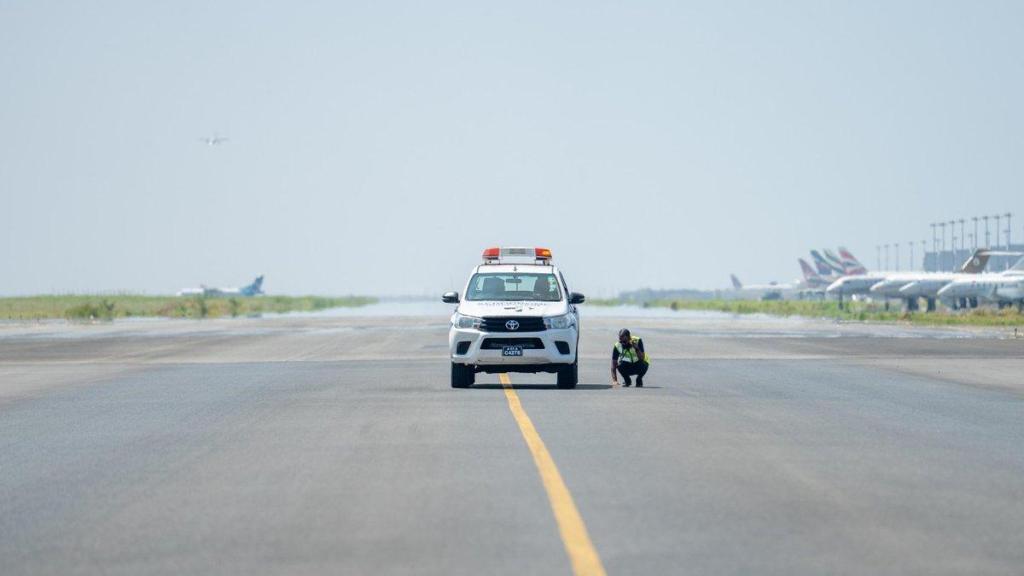
The runway is probably the most critical place at any airport. Aircraft are taking off, landing and sometimes backtracking. Vehicles may also need to enter the runway for inspections, grass cutting or maintenance work. There are clear procedures for all of these activities, but they depend on everyone doing exactly what they are supposed to do. Imagine a vehicle being cleared to inspect the runway between aircraft movements. The driver completes the inspection and reports that the runway is clear. A few seconds later, the driver remembers a tool left near the edge of the runway and turns back without informing the tower. At the same time, a departing aircraft is lining up for take-off. The procedure was correct, but one unexpected human decision has suddenly created a serious hazard. Fortunately, situations like this are usually detected before they become accidents because several people are watching the operation. That is why we have more than one safety barrier.
Never Assume the Runway Is Clear
One lesson I learned very early in my career is never to make assumptions. A controller may think a vehicle has vacated the runway because it was instructed to do so. The vehicle driver may believe the controller knows exactly where the vehicle is. The pilot may assume the runway is clear because take-off clearance has been issued. Safety begins to disappear when everyone starts making assumptions instead of confirming facts. The safest controllers are those who continue checking until they actually see the runway is clear or receive positive confirmation from the person concerned.
Distractions Can Affect Anyone
Distractions are part of everyday aviation. A telephone rings while a controller is issuing a landing clearance. Another controller asks a question. A pilot requests a weather update. An airport vehicle calls for permission to cross the runway. All of this can happen within a minute, and when our attention moves from one task to another, it is surprisingly easy to forget something. This is not because people are careless. It is simply how the human brain works. That is why good procedures often require important information to be repeated and read back. These simple steps catch many mistakes before they become serious.
Experience Can Sometimes Create Overconfidence
Experience is valuable, but it can also become a weakness if we are not careful. Someone who has carried out the same task for twenty years may begin to believe nothing unexpected will happen. Small shortcuts slowly become normal, and attention to detail gradually reduces without the person even noticing. I have seen experienced people make mistakes that a new trainee would probably never make because the trainee is concentrating on every single step. Experience should make us more careful, not more comfortable.
Time Pressure Can Influence Decisions
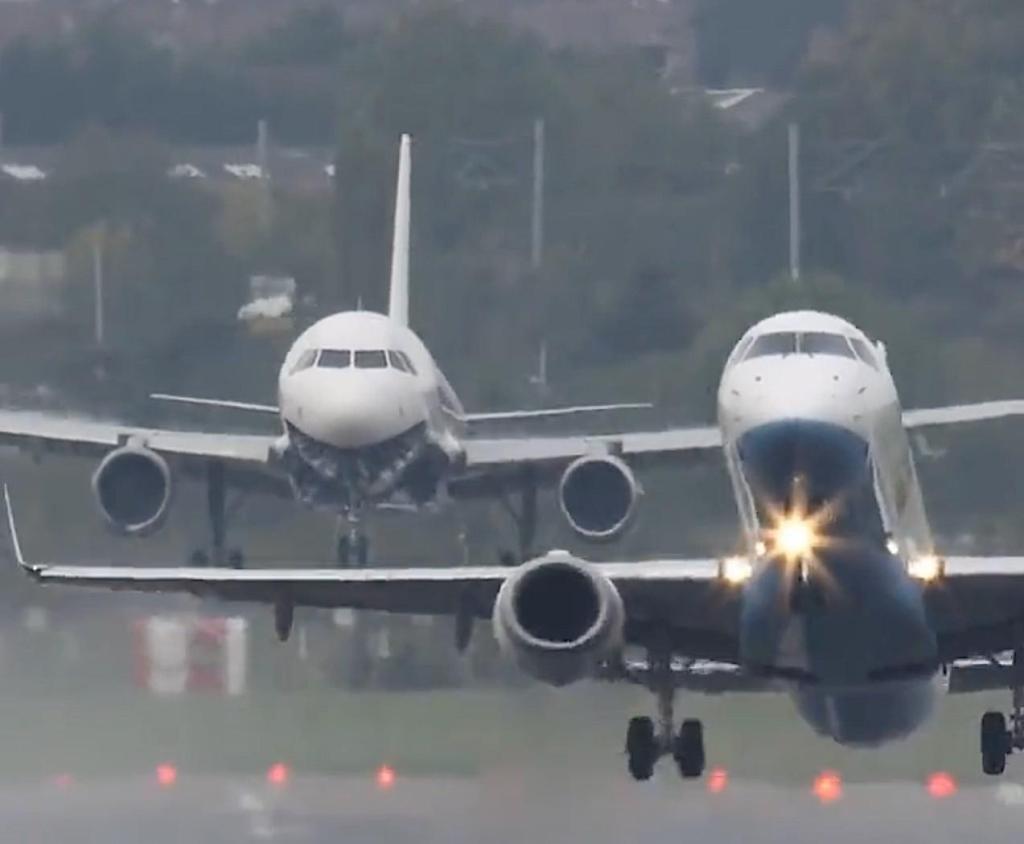
Every airport wants flights to depart and arrive on time, and nobody likes delays. Sometimes there is pressure to clear an aircraft quickly before another one arrives. A vehicle wants to finish its work before traffic increases, and a controller wants to avoid unnecessary delays. Most of the time this works well, but occasionally people begin rushing instead of thinking. A few seconds saved by taking a shortcut are never worth the risk if safety is affected. During my career, I have learned that it is always better to delay an aircraft for one minute than spend months investigating an avoidable incident.
Good Communication Prevents Problems
Many incidents do not happen because people do not know what to do. They happen because people misunderstand each other. A pilot may hear one clearance while the controller intended another. A vehicle driver may misunderstand an instruction to hold short of the runway. A controller may think a readback was correct when it was not. That is why standard phraseology is so important. Simple, clear and unambiguous communication reduces misunderstandings and keeps everyone working with the same picture.
Speaking Up Is Part of Safety
Nobody should ever be afraid to question something that does not look right. If a controller is unsure whether a runway is clear, it is better to ask again. If a pilot is uncertain about a clearance, it is better to request confirmation. If a vehicle driver is unsure whether permission has been given to enter the runway, it is better to stop and ask. There is nothing embarrassing about asking questions because there is far more danger in pretending to understand when we do not.
Technology Is a Great Help but It Cannot Replace People
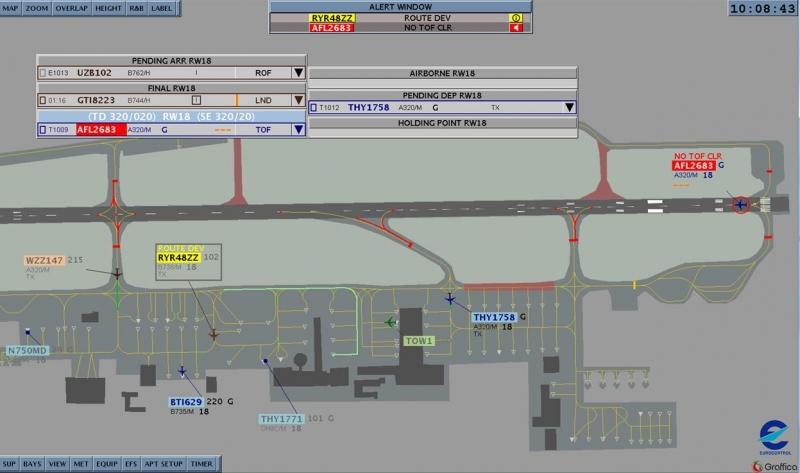
Modern airports have advanced radar systems, surveillance equipment, runway lighting and many other safety tools. These systems make aviation much safer than it was years ago, but they cannot replace good judgement. Technology may show where an aircraft is, but it cannot decide whether a clearance should be given. It may provide warnings, but people still have to recognize the warning and take the correct action. The human being remains the final safety barrier.
We Learn More From Mistakes Than From Success
Whenever something goes wrong, our first reaction should not be to ask who made the mistake. A better question is why the mistake happened. Was the controller overloaded? Was the vehicle driver distracted? Was the pilot under pressure? Did the procedure need improvement? Every incident has a lesson to teach us if we are willing to learn from it, and that is how aviation has become one of the safest forms of transport.
My Final Thoughts
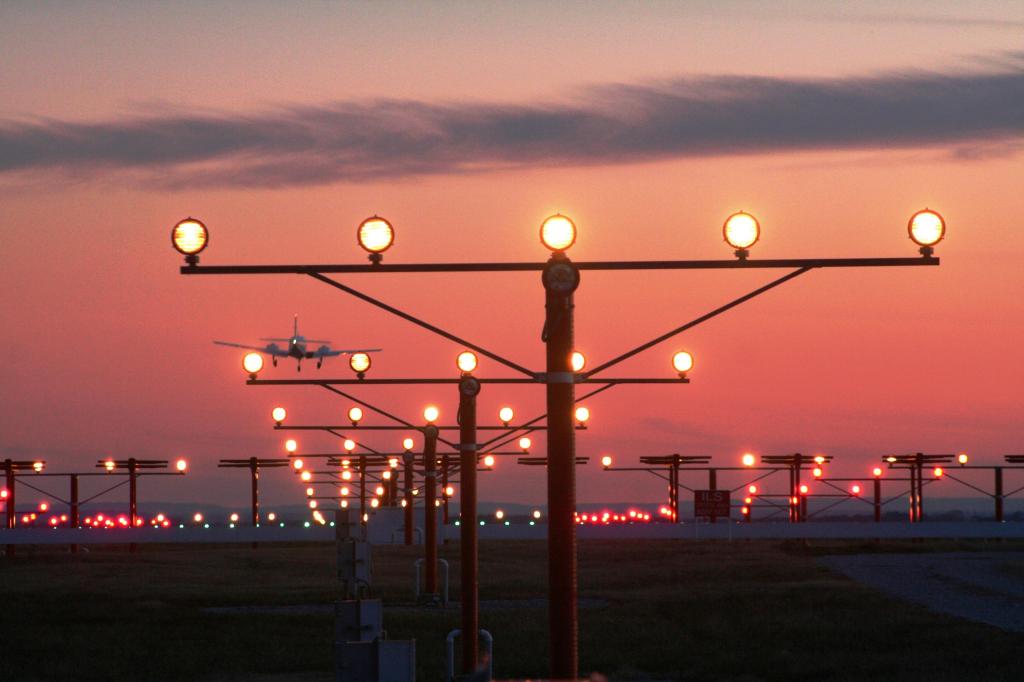
Looking back over my career in airport operations, air traffic services and aviation safety, I have become convinced that procedures alone will never guarantee safety. Procedures provide the foundation, but people make the system work. Human beings will always become tired, we will sometimes lose concentration and we will occasionally make wrong decisions. That is simply part of being human. The real purpose of a good safety system is not to pretend mistakes will never happen. It is to recognize that they will happen and build enough layers of protection to stop one simple mistake from becoming a tragedy. That is why I always remind younger aviation professionals that the safest person is not the one who believes he will never make a mistake. The safest person is the one who knows he can make a mistake, follows procedures with discipline, checks everything carefully, communicates clearly and never stops learning. In my view, that is the real meaning of aviation safety.
 Ibrahim Khalid
Leave a comment