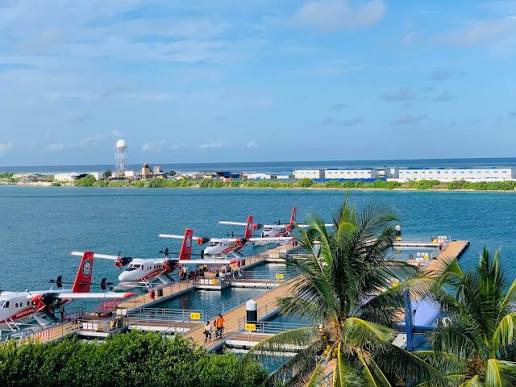
Today, the Maldives has the world’s largest seaplane operation. Every day, dozens of seaplanes carry thousands of visitors from Velana International Airport to resorts across our islands. For many tourists, the seaplane flight is one of the most enjoyable parts of their holiday. They admire the beautiful islands below without ever thinking about how this amazing operation began. Having worked in aviation since 1979, I have been lucky enough to watch much of this journey. Looking back now, it is hard to believe that what started with only a few aircraft has grown into something that is recognized all over the world.
How It All Started
Before the early 1990s, getting tourists to resorts far away from Male’ was not easy. After arriving at the airport, many visitors still had to spend four or five hours travelling by boat. When the weather was rough, those journeys could be long and uncomfortable. At the same time, more resorts were beginning to open on islands much further away from the airport. It was becoming clear that if tourism was going to continue growing, a faster way of taking visitors to those resorts would be needed.
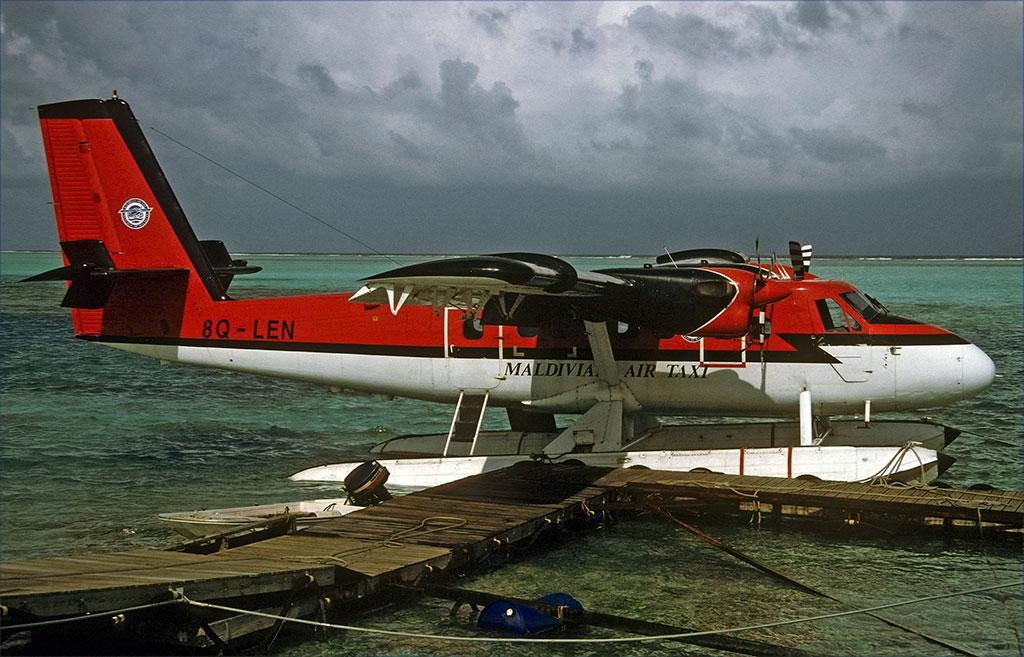
Everything began to change in 1993 when a group of Danish entrepreneurs started regular seaplane services. Around the same time, the Maldives experienced a number of tragic helicopter accidents that eventually led to the helicopter fading away from the scene. Looking back today, these events changed the future of tourism in our country. Instead of spending hours travelling by boat, visitors could now reach many resorts in only thirty or forty minutes. That was a big improvement. It also gave resort developers the confidence to build on islands much further away because they knew tourists could reach them quickly and comfortably. At the time, I do not think anyone imagined that this small beginning would one day become the world’s largest seaplane operation.
Very Simple Beginnings
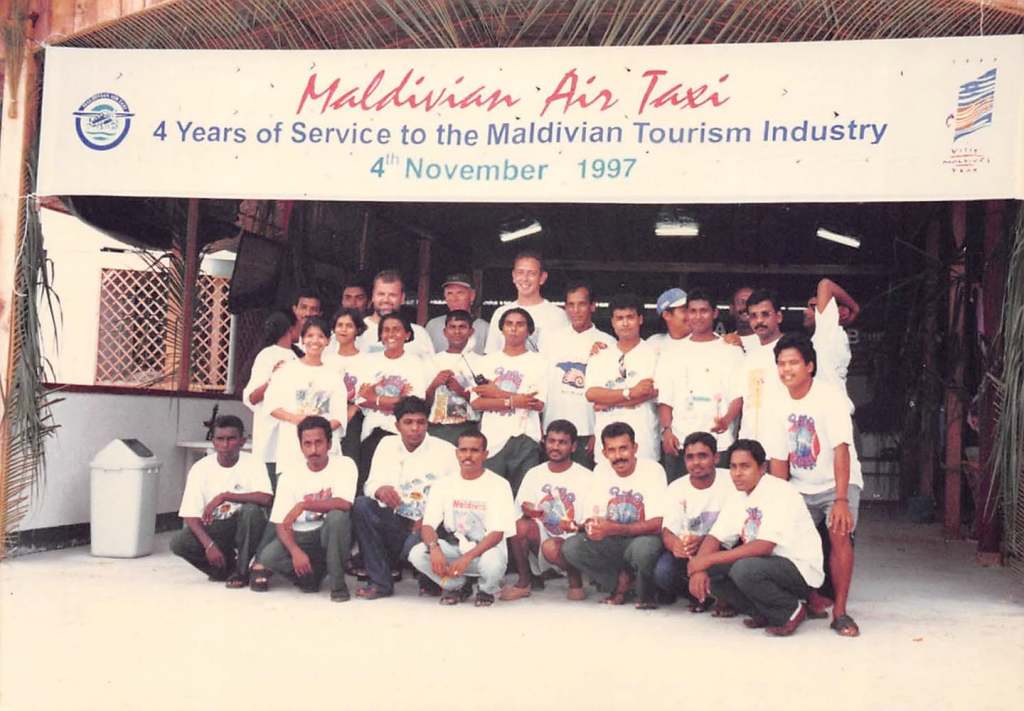
Anyone visiting the modern seaplane terminal today would probably find it hard to believe how simple everything was in those early days. The operation started from the lagoon on the eastern side of the airport, where seaplanes still operate today. The offices were nothing more than old cargo containers placed near the beach, and the passenger waiting area was very basic. Nobody expected luxury because everyone was more interested in making this new way of travelling work.
The fleet was just as small. There were only two aircraft carrying passengers and another aircraft used mainly for training. A single engine seaplane was also used in the beginning, but it soon became clear that it was not suitable for the sea conditions in the Maldives. Our swells and waves were simply too much for it. Operators then turned to the Canadian-built Twin Otter, and that decision proved to be one of the best they ever made. The Twin Otter was strong, reliable and well suited to our conditions. More than thirty years later, it is still the aircraft most people think about when they hear the words ‘Maldives seaplane’.
Learning as We Went Along
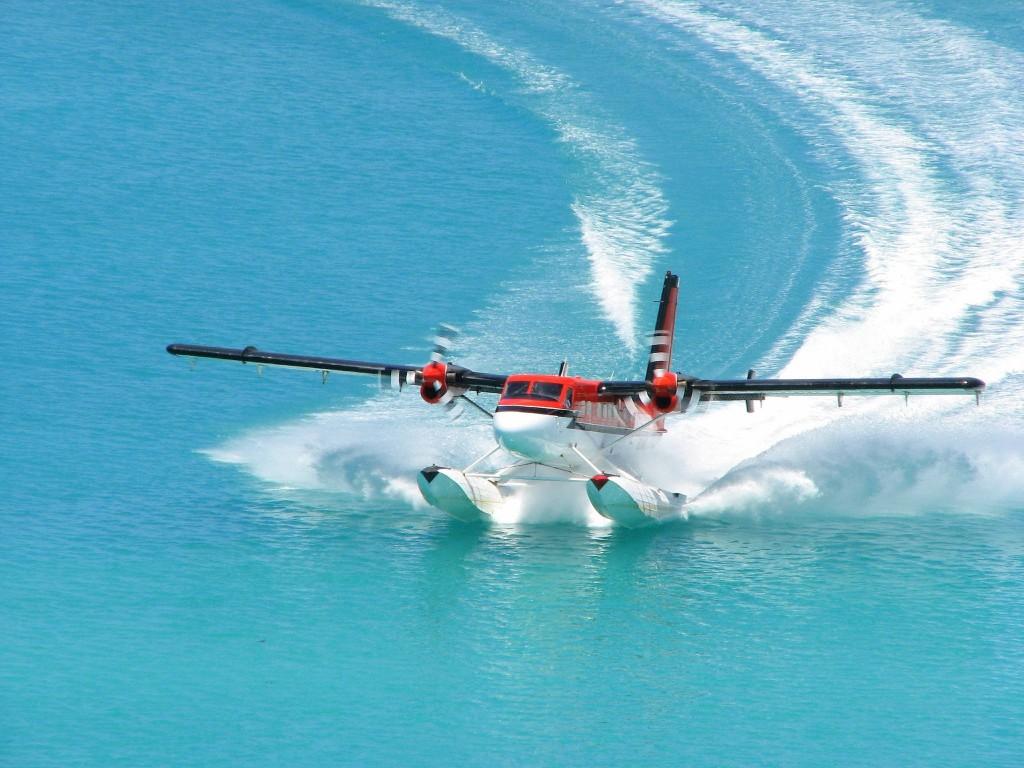
The first seaplane operations were very simple. Aircraft took off and landed on a narrow stretch of water beside the airport runway. The control tower gave permission for aircraft to use the lagoon, but once they left the airport area, pilots mainly relied on keeping a good lookout and telling each other where they were over the radio. It worked well because there were only a few aircraft flying each day.
As more resorts opened, more seaplanes arrived. It soon became clear that the old way of doing things would no longer be enough. More aircraft meant more movement in the air and on the water. New procedures had to be introduced to keep everything safe. One thing I have always admired about aviation in the Maldives is the way people worked together. Air traffic controllers, pilots and operators all played a part in finding simple solutions to new problems. Nobody had a ready-made book showing how to manage the world’s largest seaplane operation because no such operation existed anywhere else. We learned as we went along and kept improving the system year after year.
As traffic continued to increase, new reporting points were introduced for arriving aircraft. Later, a special radio frequency was introduced so that seaplane pilots could report their positions directly to one another. These may sound like small changes today, but they made a big difference at the time and helped keep the operation safe as it continued to grow.
Growing Together with Tourism
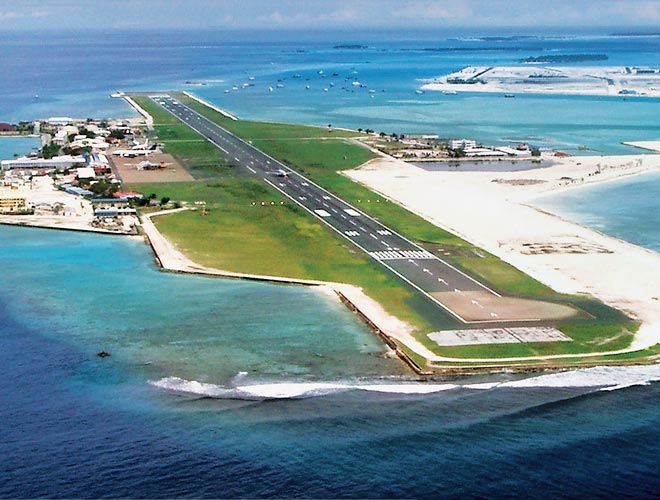
As tourism grew, the airport also began to change. Large parts of the lagoon were dredged to provide sand for the construction of Hulhumalé and later for airport expansion. The lagoon looked very different afterwards, but these changes also created more water that could be used by seaplanes. That allowed more aircraft to move at the same time and helped increase the number of flights every day.
The skies around Male’ also became much busier than before. International airliners, domestic aircraft and seaplanes were all sharing the same airspace. As someone who spent most of his career in air traffic services, I saw how much more difficult this became as traffic increased. New routes had to be introduced to keep seaplanes away from the busiest flight paths used by larger aircraft. These changes made the operation safer while allowing it to continue growing.
Radar Changed the Way We Worked
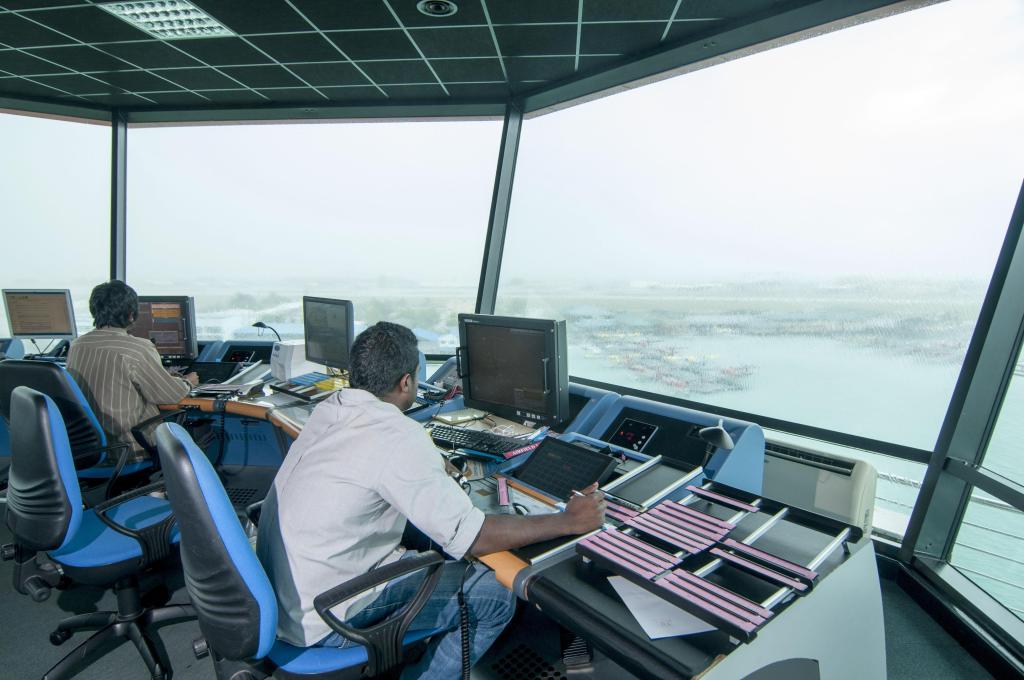
Another important change came towards the end of 2009 when radar was introduced in the Maldives. Before then, controllers depended mainly on pilots reporting where they were. With radar, controllers could finally see suitably equipped aircraft on their screens. That made the job much easier and improved safety, but radar by itself was not the answer to everything. As traffic continued to grow, procedures also had to improve. Over the years, I have learned that good technology is important, but good people and good procedures are just as important.
The New Runway Brought New Changes
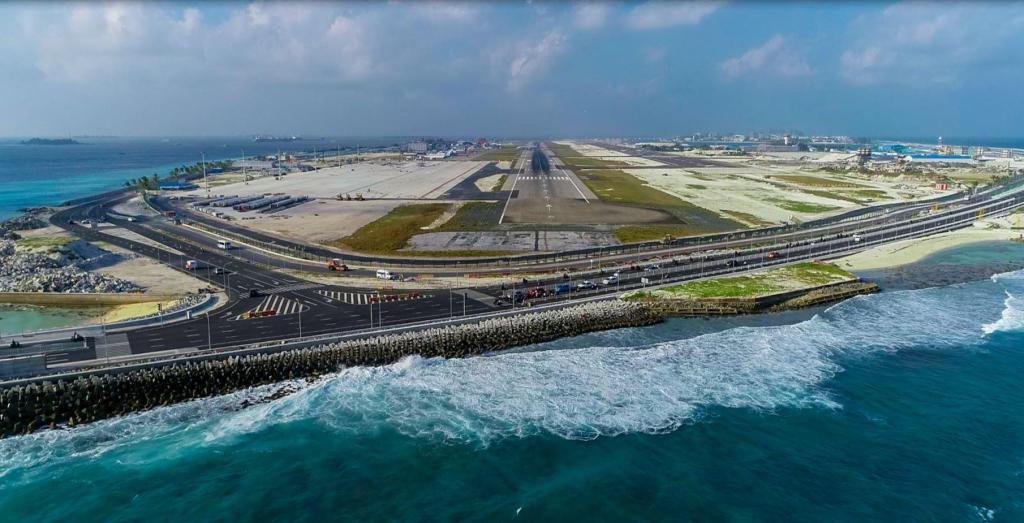
When the new runway opened at Velana International Airport in 2022, another chapter began. There were now more international flights, more domestic flights and more seaplanes than ever before. Airspace had to be reorganised so that everyone could operate safely. New routes were introduced for seaplanes, and better surveillance systems gave pilots and controllers much better information about other aircraft. These improvements are still helping to make the operation safer today.
The Story Is Still Continuing
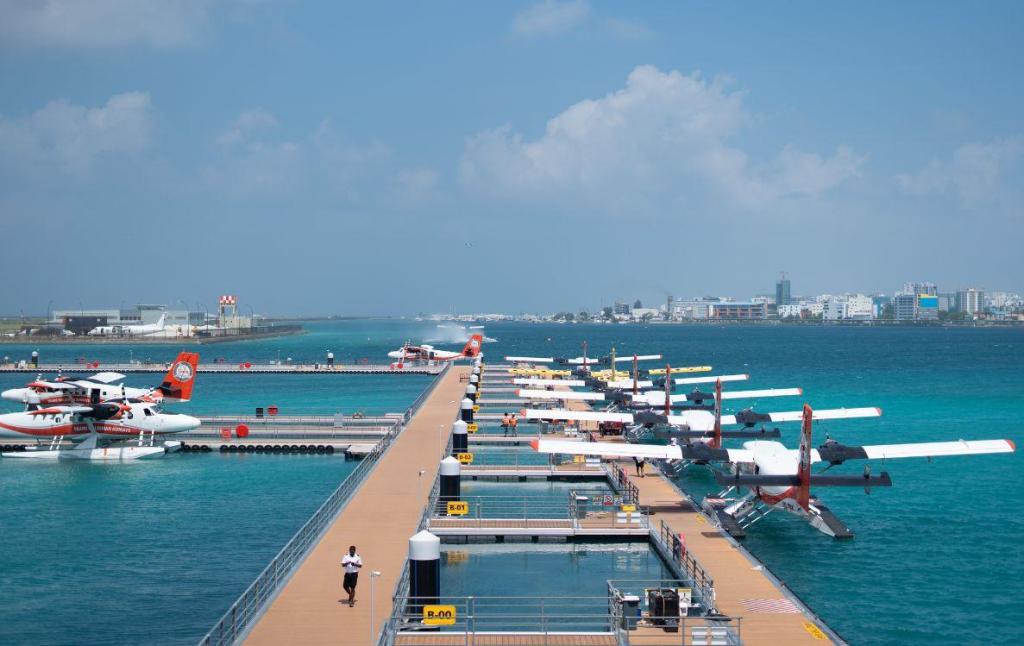
What started in 1993 with only a few aircraft operating from a quiet lagoon has become one of the greatest success stories in Maldivian aviation. The seaplane has played a huge part in the success of our tourism industry. Without it, many of the resorts we see today would have taken much longer to develop, and some may never have been built at all.
Aviation never stands still, and I believe the same is true for seaplane operations in the Maldives. Around the world, companies are developing electric aircraft and other new types of air vehicles that are quieter, cleaner and cheaper to operate. One day, they may replace today’s seaplanes. Whether that happens in five years or twenty years, nobody knows.
Looking back over nearly forty-seven years in aviation, I believe the real success of the Maldives seaplane operation is not only about the aircraft. It is about people who saw a problem and found a solution. Every time a new challenge appeared, people worked together to overcome it. That is how the operation grew from only a few seaplanes into the largest seaplane operation in the world. I also believe the story is far from over, and the next chapter will be just as interesting as the first.
 Ibrahim Khalid
Leave a comment