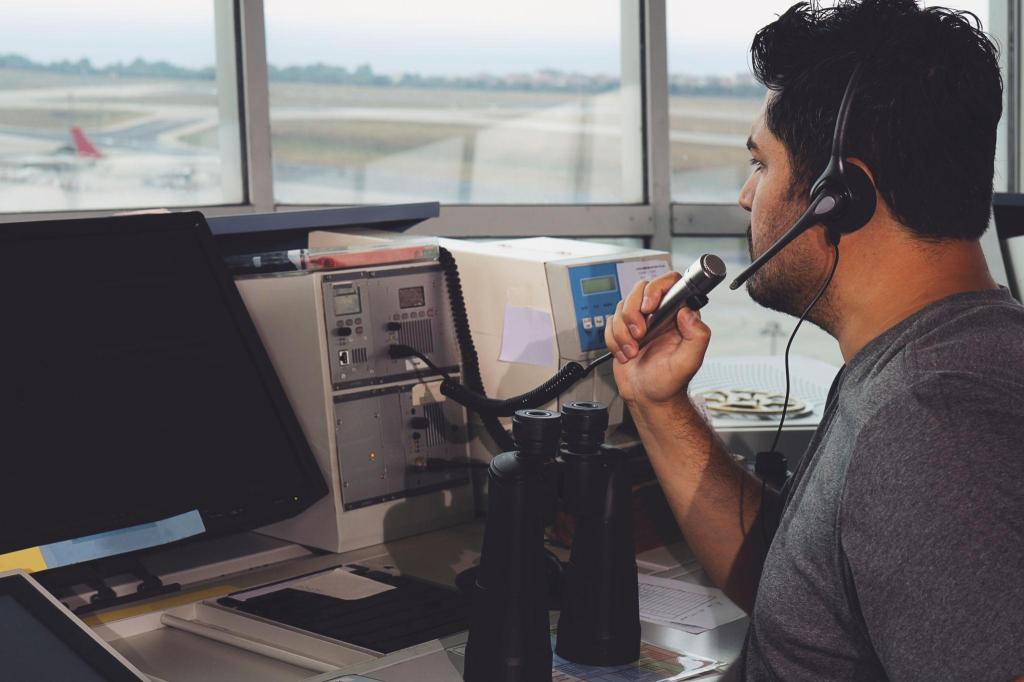
A Mistake That Can Happen to Any of Us
Having worked in aviation for more than four decades, including many years in air traffic control and aviation safety, I have learned that even the most experienced person can make a simple and unexpected mistake. This does not always mean that the person was careless, tired, distracted or not properly trained.
Sometimes a person knows exactly what should be done but does something completely different. The person may realize the mistake immediately but may still be unable to explain why it happened.
Safety specialists call this kind of mistake an ‘action slip’. It happens when the decision in the mind is correct, but the action actually carried out is wrong.
Some of the air traffic control action slips mentioned in this article are things that have happened to me personally. Others are mistakes I have seen happening to controllers around me or have come across during my later work in aviation safety.
I am not sharing these experiences to blame anyone or to suggest that air traffic controllers are unsafe. I am sharing them because we must honestly accept that pilots, controllers and all other aviation professionals are human.
Experience is extremely valuable, but it does not make anyone perfect. In fact, the more familiar a task becomes, the easier it may be to carry it out automatically without giving every action our full attention.
The Boeing 777 Rejected Takeoff
A good example of an action slip happened on 28 June 2024 during the takeoff of a Boeing 777-200. The aircraft was carrying 334 passengers and 13 crew members.
The aircraft weighed more than 247,700 kilograms, which was about 18,100 kilograms below its maximum takeoff weight. Although it was below the maximum weight, it was still a very heavy aircraft travelling at high speed.
The first officer was flying the aircraft. As it accelerated along the runway, the automatic system called out ‘V1’.
At that moment, the pilot was expected to remove his hands from the thrust levers, move them to the control column and continue the takeoff. Instead, he pulled the thrust levers back and reduced the engine power.
He then briefly pushed the thrust levers forward again before finally rejecting the takeoff. Flight information showed that he first reduced the thrust at 160 knots, which was the V1 speed, and reduced it again at 162 knots.
The aircraft reached a maximum speed of 167 knots before it began to slow down. It was then travelling at more than 300 kilometres per hour, and even a delay of a few seconds at that speed could use up a large part of the remaining runway.
The aircraft finally stopped with about 2,300 feet, or approximately 700 metres, of runway remaining. The heavy braking caused a fire around the brakes on the right side of the aircraft.
The airport fire and rescue service responded quickly and put out the fire. Fortunately, nobody was injured, and the aircraft was later towed back to the terminal.
The result could have been very different if the runway had been shorter, wet or slippery. The aircraft could have gone beyond the end of the runway or suffered major damage.
Why V1 Was So Important
In simple terms, V1 is the speed by which the pilots must begin rejecting a takeoff if they are going to stop within the available stopping distance. Before reaching V1, the pilots may reject the takeoff if a serious problem occurs.
After passing V1, the normal and safer action is to continue the takeoff. This is because there may no longer be enough runway remaining to stop the aircraft safely.
This does not mean that a pilot must continue the takeoff whatever happens. There may be an exceptional situation in which the aircraft is unable to fly, but under normal conditions the pilots are expected to continue after reaching V1.
In this incident, the first officer reduced the thrust at V1 and finally rejected the takeoff after passing that speed. Fortunately, the runway was long enough and the conditions allowed the aircraft to stop.
No Clear Reason for What Happened
What makes this incident especially important is that investigators could not find a clear reason for the first officer’s action. The morning had been normal, and there was no unusual workload, pressure or obvious distraction affecting the crew.
The first officer was highly experienced. He had completed 6,156 hours of total flying time, including 2,700 hours on the Boeing 777.
He said that he had been well rested and felt fine. He was surprised by his own action and could not explain why he had pulled the thrust levers back.
He understood the aircraft and knew exactly what the V1 call meant. He had carried out many takeoffs before and knew what he was expected to do.
Having spent so many years in aviation, I do not find this impossible to believe. I have personally experienced how the mind can know the correct action while the hands or voice do something else.
This does not mean that the person involved is careless or incompetent. It simply shows that all of us, regardless of our training and experience, remain human.
How an Action Slip Happens
An action slip is different from an error caused by not knowing the procedure. A person can be fully trained, highly experienced and completely familiar with the task but still do the wrong thing.
These slips often happen during familiar work that has been repeated many times. When we do the same task regularly, many of our actions gradually become automatic.
This automatic behaviour normally helps us work smoothly and manage several tasks. However, it can also create a risk because the hands, voice or eyes may follow a familiar pattern instead of what the person intended to do at that moment.
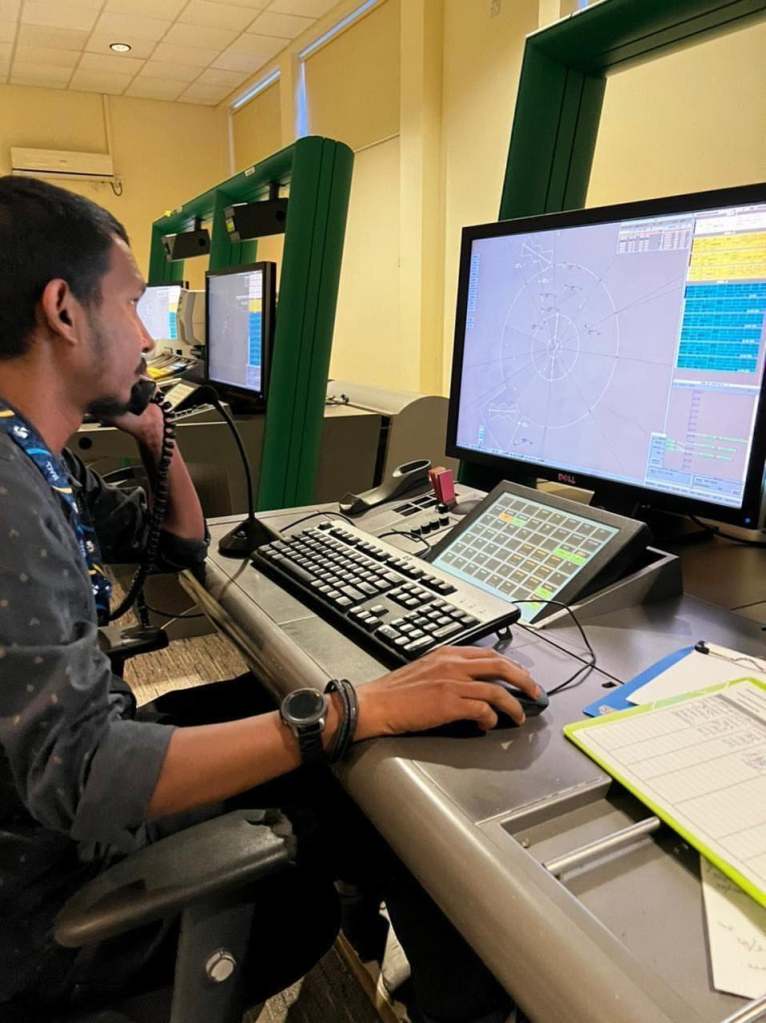
In air traffic control, an action slip may involve pressing the wrong button, using the wrong call sign or selecting the wrong aircraft label. It may also involve entering the wrong level, transmitting on the wrong frequency, giving a clearance to the wrong aircraft or forgetting an intended coordination.
These are not examples I know only from books or investigation reports. Some have happened to me, while others are things I have personally seen during air traffic control operations.
Saying the Wrong Call Sign
One of the most common examples in air traffic control is using the wrong call sign. A controller may be looking at the correct aircraft and know exactly which aircraft needs the clearance, but a different call sign may come out during the transmission.
This can easily happen when two aircraft have similar call signs, especially when they belong to the same airline. One flight may end in 224 while another ends in 242, and the controller or pilot may confuse them.
The controller may correctly decide that one aircraft should descend but use the call sign of another aircraft. The plan in the controller’s mind is correct, but the clearance is addressed to the wrong flight.
If the pilots are listening carefully, the error may be noticed immediately. The wrong aircraft may question the clearance, or the intended aircraft may ask why it has not received the expected descent.
The situation becomes more dangerous if the wrong aircraft accepts the clearance and begins descending. It may then move towards another aircraft at a conflicting level.
This is why full call signs and correct readbacks are so important. The readback gives the controller another chance to hear what the pilot understood and correct any error before the aircraft acts on it.
However, the controller must properly listen to the readback. A person may sometimes hear the call sign or level that was expected instead of what the pilot actually said.
Giving the Correct Level to the Wrong Aircraft
A similar action slip can happen when two aircraft are waiting to climb or descend. The controller may plan to clear one aircraft to 5,000 feet and keep another at 6,000 feet.
The controller may fully understand the traffic and make the correct plan. However, the 5,000 feet clearance may be given to the wrong aircraft.
This can happen when two aircraft are close together on the display, have similar call signs or are both waiting for further climb or descent. It may also happen when the controller moves too quickly from one task to another.
The problem is not always a failure to understand the required separation. The controller may know exactly which aircraft should climb or descend, but the correct level is passed to the wrong one.
If the pilot reads back the level and the controller is already thinking about the next task, the error may not be noticed. A loss of separation could then occur unless the mistake is detected by the controller, pilot, another controller or a warning system.
Selecting the Wrong Aircraft on the Display
Modern air traffic control systems allow controllers to enter information through the aircraft label shown on the surveillance display. This information may include the cleared level, heading, speed or route.
When two aircraft labels are close together, the controller may select the wrong one. This is another action slip I have seen happening during actual operations.
The controller may correctly remember that one aircraft has been cleared to descend to 3,000 feet. However, the level may be entered into the label of another aircraft.
The display will then show information that is different from the clearance actually given. The controller may later depend on that incorrect information when making another decision.
The situation can become more serious when another controller takes over the position. The relieving controller may naturally believe that the information shown on the display is correct.
The error may remain hidden until the pilot reports reaching a level different from the one shown. It may also be noticed when another controller questions the traffic situation or a warning appears.
A computer can display incorrect information very clearly if a human being enters it incorrectly. Controllers must therefore confirm that the correct aircraft has been selected before entering any important information.
Coordination Intended but Forgotten
Air traffic controllers regularly coordinate with other sectors, towers, approach units and neighbouring control centres. A controller may fully intend to pass important information but become involved in another task before completing the coordination.
This is something I have personally experienced and have also seen happening to others. The controller does not decide to ignore the coordination because the intention is there, but another task arrives and the first action is forgotten.
For example, the controller may intend to tell the next sector that an aircraft is avoiding bad weather. Before making the call, another aircraft may request a different level, report a problem or call at the same time.
The controller deals with the more urgent matter and then returns to the traffic. However, the planned coordination may no longer remain in the controller’s mind.
The next controller may accept the aircraft expecting it to follow the normal route. When the aircraft continues away from that route to avoid weather, it may come closer to other traffic than expected.
Any coordination that has not been completed should therefore be clearly marked or recorded. Controllers should not depend only on memory, particularly during busy or complicated traffic situations.
Forgetting an Aircraft After Giving an Instruction
A controller may give an aircraft a heading or an intermediate level and then turn attention to other traffic. The instruction may be correct, but the controller must still watch what happens afterwards.
For example, a controller may tell an aircraft to stop climbing or descending at an intermediate level. If the pilot misunderstands the clearance or sets the wrong level, the aircraft may pass through it without the controller immediately noticing.
A similar situation can happen when an aircraft is instructed to fly a heading for a short time. The controller may intend to return it to the normal route after conflicting traffic has passed.
The controller may then become busy with other aircraft and leave the first aircraft on the heading longer than intended. The aircraft may fly away from its planned route or towards another area of traffic.
I have seen how easily attention can move from one aircraft to another when several calls arrive close together. This is why a controller’s responsibility does not end when a clearance or instruction is given.
The controller must continue watching the aircraft and confirm that it is doing what was expected. Giving the instruction is only one part of controlling the traffic.
Runway Clearances Given Out of Habit
Action slips can be especially serious during runway operations. Tower controllers repeatedly use instructions such as ‘line up and wait’, ‘cleared for takeoff’, ‘cleared to land’ and ‘cross the runway’.
Because these words are used so often, the wrong familiar clearance may sometimes come out. A controller may intend to tell an aircraft to line up and wait but unintentionally clear it for takeoff.
The controller may know that an aircraft or vehicle is still on the runway. The traffic picture in the controller’s mind may be correct, but the wrong familiar words are spoken.
A similar slip may happen when a landing clearance is given before a departing aircraft or vehicle has left the runway. The controller may expect the runway to become clear and speak as though it is already clear.
During my years in air traffic control, I have seen how the wrong words can come out when the same sequence has been repeated many times. This is why no takeoff, landing or runway crossing clearance should be given only because it is the next normal step.
Before giving a runway clearance, the controller must pause and check the actual runway situation. The runway, flight information and surveillance display, when available, should all be checked.
Runway safety should not depend only on a pilot, driver or another controller noticing an incorrect clearance. The controller must positively confirm that the runway is safe before allowing it to be used.
Vehicle Call Signs Can Also Be Confused
The same risk applies to vehicles operating on or near a runway. Several vehicles may be working in the same area and using call signs that sound similar.
The controller may intend to allow one vehicle to cross the runway but use the call sign of another. If the wrong vehicle enters, a runway incursion may occur.
This risk becomes greater when the radio quality is poor or the drivers are not fully familiar with aviation phraseology. A driver may hear only part of a call sign and believe that the clearance was meant for his vehicle.
Every clearance to enter or cross a runway must therefore include the correct call sign and a clear instruction. The driver must read it back, and the controller must carefully check that readback.
A controller should also never assume that a vehicle has left the runway simply because enough time has passed. The runway must be positively checked before it is used by an aircraft.
Using the Wrong Frequency or Telephone Line
Controllers may use several radio frequencies and telephone lines from one working position. The correct message may be in the controller’s mind, but the wrong communication button may be pressed.
This is another action slip that I have personally experienced and have seen happening to others. The controller may intend to speak to an aircraft on the approach frequency but transmit the message on another frequency.
The controller believes that the instruction has been passed, but the intended aircraft does not hear it. Valuable time may be lost before the controller realizes that the wrong frequency was selected.
A similar error can happen during coordination when the wrong telephone line is selected. The correct information may then be passed to the wrong air traffic control unit or somewhere else totally irrelevant.
Frequencies and telephone lines should be clearly marked and easy to tell apart. The controller must also listen for a reply and not assume that a message has been received simply because it was transmitted.
When Expectation Takes Over
Expectation can also lead to an action slip. A controller may expect an aircraft to turn left after departure because that is what aircraft normally do from that runway.
If one aircraft has been cleared to turn right, the controller may still look towards the usual left side of the display. The mind continues expecting the normal movement even though a different clearance was given.
A controller may also expect an arriving aircraft to leave the runway at a particular taxiway. If it continues to the next exit, the controller may wrongly expect the runway to become clear earlier.
The same thing can happen during a readback. If the controller expects the pilot to repeat 5,000 feet, the mind may hear 5,000 feet even if the pilot actually says 6,000 feet.
This does not mean that the controller is deliberately ignoring what is happening. The human mind sometimes notices what it expects to hear or see rather than what is actually happening.
Controllers must therefore check the real situation and not depend only on what normally happens. Unusual clearances and unexpected actions should be clearly marked and carefully monitored.
How Interruptions Affect the Mind
Interruptions are a normal part of air traffic control. A controller may be speaking to an aircraft when another aircraft calls, a telephone rings or another controller asks a question.
I have personally experienced how an interruption can completely remove an unfinished action from the mind. I have also seen this happen to other controllers during normal operations.
The controller may stop one task to deal with something more urgent. After dealing with the interruption, it may be difficult to remember exactly where the first task stopped.
For example, a controller may begin coordinating a level change but be interrupted before receiving approval. After the interruption, the controller may wrongly believe that the coordination was completed and clear the aircraft to the new level.
A controller may also be entering information into the system when another aircraft calls. When returning to the display, the information may be entered against the wrong aircraft or may not be entered at all.
Whenever possible, an unfinished task should be clearly marked before the controller turns to another matter. Other staff should also avoid interrupting a controller during an important transmission or coordination unless the matter is urgent.
Working Fast Is Not Always Working Safely
Controllers sometimes need to act quickly, especially when there is an immediate danger. However, speaking very fast or making rapid system entries should not be confused with working safely.
Unnecessary speed can remove the few seconds needed to notice an error. A truly competent controller knows when immediate action is necessary and when there is time to pause and check.
Taking one or two seconds to confirm a call sign, level, frequency or runway condition is not a weakness. Those few seconds may prevent a serious incident.
From my own experience, the risk can sometimes be greater when the traffic is not especially busy. During very busy periods, controllers are usually fully alert, but during familiar and normal traffic, their actions may become more automatic.
A controller who has handled the same traffic pattern for many years may expect every aircraft to follow the usual pattern. However, changes in weather, aircraft performance, pilot requests and runway conditions can make every situation different.
Pause, Check and Then Act
One of the simplest ways of reducing action slips is to pause, check and then act. Before giving an important clearance, the controller should identify the correct aircraft, check the traffic and think about what the aircraft will do after receiving the clearance.
Before entering a level into the surveillance system, the controller should confirm that the correct aircraft label has been selected. Before transmitting, the correct frequency should be checked.
Before giving a takeoff, landing or runway crossing clearance, the controller must check the runway and the position of every relevant aircraft or vehicle. Before transferring an aircraft, the controller must confirm that all required coordination has been completed.
This pause may take only one or two seconds, but it should not be seen as a delay. It is an important part of providing a safe air traffic control service.
Only four days before the Boeing 777 incident, the airline had advised its pilots to pause and think before carrying out an important action. They were told to act carefully and then confirm that the action was correct.
The same advice applies to air traffic controllers. A short pause can bring the action back under conscious control before a clearance is spoken or information is entered.
Listening Properly to Readbacks
Readbacks are one of the strongest protections in air traffic control, but they only work when the controller listens carefully. Hearing a reply is not the same as properly checking it.
The controller must compare what the pilot says with the clearance that was given. Special attention must be paid to call signs, levels, headings, speeds and runway instructions.
If any part of the readback is wrong or unclear, the controller must correct it immediately. The error should not be left uncorrected simply because the frequency is busy.
Pilots also have an important responsibility. If a clearance appears unusual, unexpected or unsafe, the pilot should question it instead of assuming that the controller must be correct.
Safe air traffic control depends on both controllers and pilots listening, checking and speaking up. A radio exchange is not only a way of passing an instruction because it is also an important safety check.
Keeping Flight Information Correct
Whether an air traffic control unit uses paper flight strips or an electronic system, its flight information must be correct and up to date. It provides a visible record of clearances, coordination and actions that still need to be completed.
I have seen cases where the clearance given was correct but the information recorded was wrong. I have also seen information entered against the wrong aircraft, which could later mislead another controller.
A computer display may look clear and complete while still showing incorrect information. Controllers must therefore confirm that the information has been entered against the correct aircraft.
Any action that has not been completed should remain clearly visible. It should not be removed from the strip or display until it has actually been completed.
When one controller takes over from another, the handover must include unusual clearances, pending coordination and aircraft avoiding weather. It must also include communication problems and any other situation that needs special attention.
The relieving controller should not depend only on what appears on the display. A proper verbal handover is also necessary when there are important or unusual matters.
Teamwork Can Stop an Error
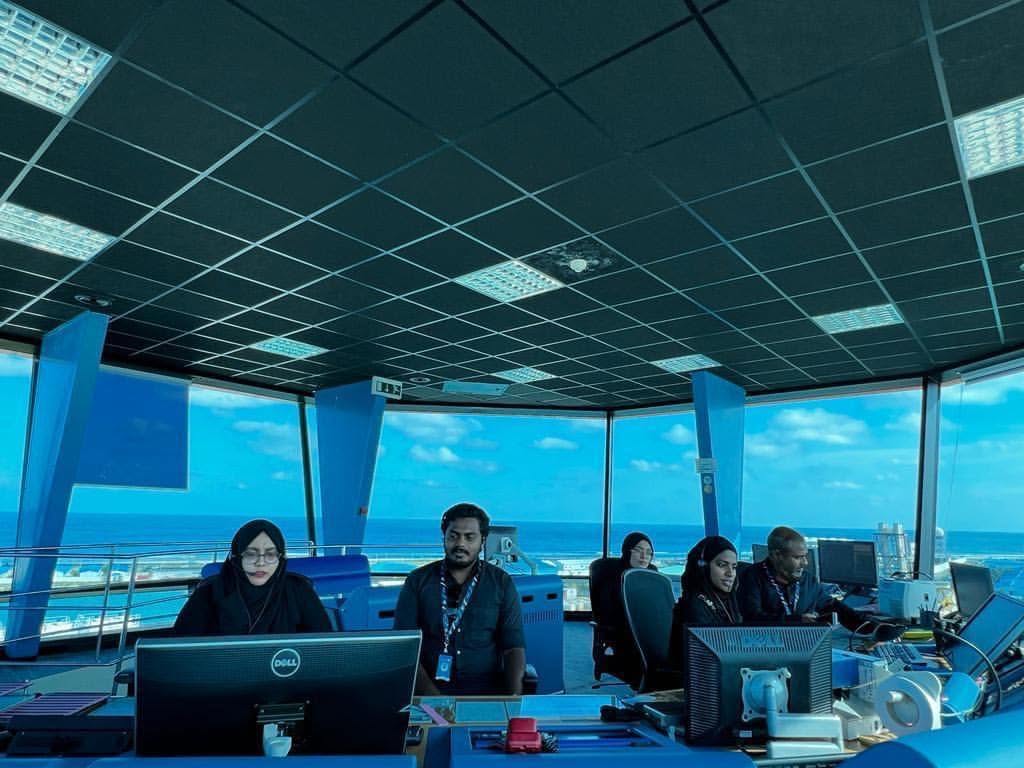
Air traffic control should never depend entirely on one person noticing everything. Another controller, coordinator or supervisor may see something that the controller handling the traffic has missed.
During my career, there have been times when another person noticed and corrected an error before it developed further. I have also done the same for other controllers.
This does not take responsibility away from the controller handling the traffic. It simply provides another protection when a normal human error occurs.
Controllers should feel free to question each other when something does not look right. A simple question about a clearance, level or runway condition may prevent a serious incident.
The person being questioned should not treat it as criticism. In a good safety culture, checking and questioning are accepted as part of professional teamwork.
Technology Can Help but Cannot Replace the Controller
Modern air traffic control systems may provide conflict alerts, minimum altitude warnings and runway safety alerts. These systems can help a controller notice a developing danger.
However, warning systems should not be treated as the normal way of keeping aircraft safe. By the time an alert appears, the aircraft may already be close to losing the required separation.
Warnings may also be missed, misunderstood or delayed. If a system gives too many unnecessary alerts, controllers may become used to them and respond more slowly.
Technology should support controllers, but it cannot replace their judgement and attention. Controllers must continue to understand the traffic, apply the required separation and monitor what happens after every clearance.
Procedures and Equipment Must Help People
We should not place the entire responsibility for preventing action slips on individual controllers. Equipment, procedures and working positions must also be designed around normal human strengths and weaknesses.
Controls for different frequencies and telephone lines should be clearly marked and easy to tell apart. Aircraft labels should be arranged so that the chance of selecting the wrong one is reduced.
Procedures must be practical and suitable for actual working conditions. If a procedure is too complicated, controllers may begin using shortcuts or depending too much on memory.
Staffing must give controllers enough time to think, coordinate and monitor traffic. If one controller is expected to handle too many aircraft, frequencies, calls and system entries, the risk of an action slip will increase.
Supervisors should consider not only the number of aircraft but also how difficult the traffic is. A small number of aircraft avoiding weather or having communication problems may create more work than many aircraft following their normal routes.
Training Must Include Human Error
Controllers are trained in procedures, separation standards, phraseology and emergency handling. They should also be taught how action slips happen and why experience cannot completely prevent them.
Training should include similar call signs, interrupted coordination, labels placed close together and unexpected changes in the traffic situation. Controllers should also practise dealing with several tasks arriving at the same time.
Simulation exercises should not only test whether a controller knows the rules. They should also test how the controller manages interruptions, changes of plan and unexpected situations.
Experienced controllers must also receive this training. They may be more exposed to automatic actions because much of their work has become familiar.
Reporting Errors Without Fear
If a controller uses the wrong call sign, selects the wrong label or nearly gives a clearance to the wrong aircraft, the matter should be reported. These reports can help the organization find weaknesses in its equipment, procedures or working methods.
I believe this strongly because I have personally made some action slips and have seen others make them. We learn more when people are honest about these errors than when they remain silent because they are afraid of being blamed.
This does not mean that every action should be excused. Anyone who deliberately breaks rules, acts recklessly or knowingly ignores safety requirements must be dealt with properly.
However, an honest action slip made by a trained and responsible controller should be examined fairly. The purpose should be to understand what happened, why the normal safety checks did not stop it and how the same error can be prevented.
A fair safety culture must know the difference between an honest mistake and unacceptable behaviour. This encourages reporting while still holding everyone responsible for professional conduct.
When an air traffic incident happens, it is easy to say that the controller gave the wrong clearance or failed to notice something. This may be true, but it should only be the beginning of the investigation.
We must examine whether the call signs were similar, the aircraft labels were close together or the controller was interrupted. We should also look at the workload, staffing, equipment and working conditions.
The investigation must consider whether the pilot’s readback was correct and whether the controller properly checked it. Training, supervision, procedures and warning systems must also be examined.
If we simply blame the controller, we may fail to find the other factors that contributed to the error. Those problems may then remain in the system, allowing a similar error to happen again.
The purpose of an investigation should be to understand all the factors that allowed the incident to happen. Only then can the right improvements be made and a similar incident prevented.
We Must Be Ready to Recover from an Error
No air traffic service provider can guarantee that an action slip will never happen. A good system must therefore be able to detect an error and recover before it becomes an accident.
Correct pilot readbacks provide one protection, while monitoring by the controller provides another. Teamwork, supervision and warning systems provide further protection.
Proper separation also gives controllers and pilots time to notice and correct an error. If aircraft are regularly allowed to operate with very little safety margin, one simple mistake may quickly become dangerous.
Good safety management does not assume that pilots and controllers will always act perfectly. It accepts that errors will sometimes happen and provides several ways of stopping them from causing harm.
Experience Does Not Make Us Perfect
After more than four decades in aviation, I strongly believe that experience is one of the most valuable things a person can have. Experience helps us notice developing problems, make better decisions and handle difficult situations.
However, experience does not make anyone completely free from error. An experienced controller can still use the wrong call sign, select the wrong aircraft, forget a coordination or give a familiar clearance at the wrong time.
I say this from my own experience and not only from what I have read. Some of the action slips described in this article have happened to me, while others are things I have personally seen happening to other controllers.
The Boeing 777 first officer was experienced, well rested and familiar with the aircraft. He understood V1 and knew what he was expected to do, but his hands still carried out the wrong action.
The same thing can happen in air traffic control. The controller may understand the traffic situation and make the correct decision, but the words spoken or the action carried out may be different from what was intended.
The lesson is not that pilots or controllers cannot be trusted. The lesson is that aviation safety must never depend on human beings being perfect.
Our procedures, equipment, training, staffing and working conditions must accept that good, responsible and experienced people will sometimes make mistakes. There must be enough protection to notice the error and stop it from becoming an accident.
Before giving an important clearance, selecting an aircraft, entering information or completing a coordination, we should pause and confirm what we are about to do. That small pause may one day prevent a loss of separation, a runway incursion or a serious accident.
 Ibrahim Khalid
Leave a comment