An Idea That Came From a Conversation with a Group of Friends
This idea did not begin in a formal meeting or through a government study. It came from a friendly conversation I had with a group of friends who are well known stalwarts of the Maldivian tourism industry and who have spent many years helping to build tourism in this country.
During our conversation, we spoke about tourists arriving at Velana International Airport late in the day. Many international flights now arrive during the afternoon and evening, but seaplane transfers are limited to daylight hours.
A tourist who arrives too late for a seaplane may have to stay overnight in Male’ or Hulhumale. The passenger then continues to the resort the following morning, even though the resort holiday has already started.
For someone coming to the Maldives for only five or six nights, loosing the first night can make a big difference. After travelling for many hours, the last thing a visitor wants is another overnight wait before reaching the resort.
This also creates additional work and expense for resorts. They may have to arrange accommodation, meals, transport and assistance for passengers who cannot continue their journey on the same day.
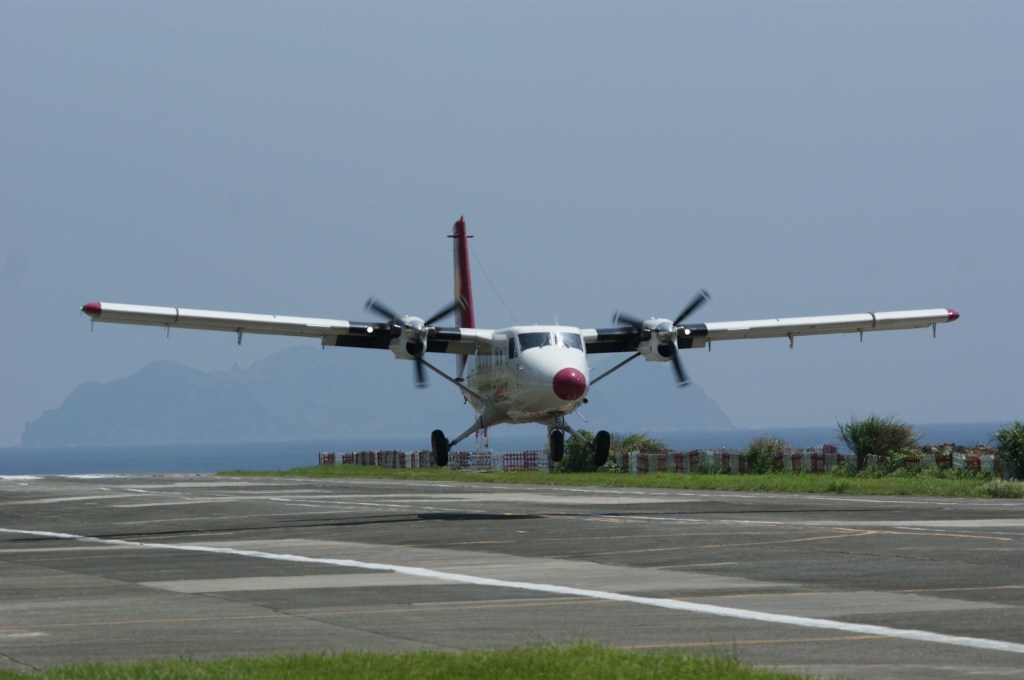
Our conversation therefore led to a simple question. Could wheel equipped Twin Otters be used to carry tourists between Velana International Airport and selected domestic airports close to groups of resorts?
If these aircraft operated under Instrument Flight Rules, commonly known as IFR, they would not be restricted in the same way as normal daytime seaplane operations. Where the destination airport is properly equipped and approved for night operations, the flights could continue after sunset.
Having worked in Maldivian aviation since October 1979, including airport operations, air traffic services and aviation safety, I found the idea interesting. I decided to look at it mainly from the airport and air traffic point of view to see whether it appeared practical enough to study further.
I am not saying that the idea will definitely work, and I am not presenting it as a final proposal. This is simply an idea that came from a conversation with people who understand Maldivian tourism and which I felt was worth exploring.
Working Alongside the Seaplane Network
The Maldives has developed one of the largest and most successful seaplane operations in the world. Seaplanes have played a major part in opening remote islands for tourism and connecting them with Velana International Airport.
For many visitors, the seaplane journey is also part of the holiday experience. The view of our islands, reefs and lagoons from the air is something many tourists remember long after leaving the Maldives.
The idea of using wheel equipped Twin Otters is therefore not about replacing seaplanes. It is about creating another possible transfer option that could work alongside seaplanes, existing domestic flights and speedboats.
Under this idea, wheel equipped Twin Otters could fly from Male’ to selected domestic airports. From there, tourists could complete the final part of their journey to the resort by speedboat.
This would be most useful where several resorts are located within a reasonable boat distance of a domestic airport. It would not make sense if tourists had to take a long or uncomfortable boat journey after the flight.
Some resorts are already well served by seaplanes, scheduled domestic flights or direct speedboats from Male’. There would be no reason to change those arrangements if they are working well.
The wheel equipped Twin Otter would simply provide another choice for suitable resorts and locations. It could be particularly useful for passengers who arrive after seaplane operating hours or who need to connect with late night international departures.
Why Consider the Twin Otter?
The Twin Otter is certainly not a new aircraft in the Maldives. It has been used successfully in our seaplane operations for many years, and a great deal of local experience has been built around it.
Maldivian pilots, engineers, operators and aviation authorities are already familiar with the aircraft. This does not mean that starting a wheel equipped operation would be easy, but we would not be dealing with a completely unfamiliar aircraft.
The main difference is that these Twin Otters would have wheels instead of floats. They would use normal airport runways and operate on instruments rather than the ‘see and avoid’ operations by seaplanes.
The biggest advantage would be the longer operating day. If the destination airports had the necessary lighting, navigation facilities, weather information and approvals, these aircraft could operate during the evening and at night.
A tourist arriving at Male’ after sunset could then possibly travel to a domestic airport close to the resort on the same night. After landing, the passenger could complete the remaining journey by speedboat.
The Twin Otter is also smaller than an ATR or Dash 8. It may therefore be suitable for routes where passenger numbers are not enough to support a larger aircraft.
Passengers arriving on several different international flights could be grouped together for one Twin Otter flight to the same area. In the same way, tourists from several nearby resorts could be brought together for a flight back to Male’.
Testing the Idea Against an Actual Busy Day
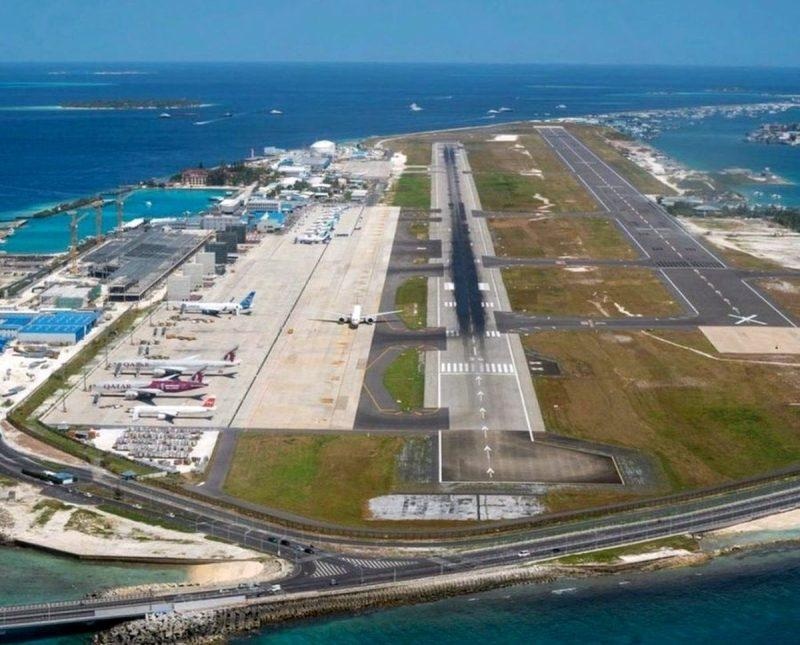
When I started looking at the idea, I did not want to create an imaginary traffic schedule. I wanted to see how the additional aircraft might fit into an actual busy day at Velana International Airport.
For this ballpark exercise, I used aircraft movement records maintained by MACL for Sunday, 28 December 2025. This was one of the busiest Sundays during the high tourist season.
The international, domestic and ad hoc flight monitoring records for that day were used. They included actual arrival and departure times, aircraft types, parking arrangements, taxi out times, delays and other operational changes.
Male’ handled many different aircraft types that day. These included Airbus A330, A340 and A350 aircraft, together with Boeing 777 and 787 aircraft.
There were also smaller Airbus and Boeing jets, ATRs, Dash 8s, business aircraft, cargo aircraft and other ad hoc flights. In other words, the runway was already being shared by aircraft of very different sizes, speeds and performance.
A large international jet and a small turboprop do not operate in the same way. They have different approach speeds, climb rates, runway occupancy times and wake turbulence requirements.
This made 28 December 2025 a useful day for carrying out the exercise. If five additional Twin Otters could be reasonably fitted into such a busy and mixed operation, it would at least show that the idea deserves a closer look.
The Assumptions Used for the Exercise
For this exercise, I assumed that five wheel equipped and IFR capable DHC-6 Twin Otters would be available. The figure of five was chosen only as a starting point and does not mean that five is necessarily the correct fleet size.
The aircraft were assumed to carry tourists between Male’ and selected domestic airports serving nearby resorts. They would bring departing tourists to Male’ and take arriving tourists away from Male’.
I also assumed that the destination airports would have the required facilities for IFR and night operations. These would include suitable runway lighting, navigation facilities, weather information, air traffic services and rescue and firefighting arrangements.
Not every domestic airport may presently have all these facilities or approvals. Some airports may require improvements before a regular operation of this nature could begin.
The five aircraft were assumed to operate for about 16 to 18 hours each day. The operating day would begin at around 0530 in the morning and continue until approximately 2330 at night.
Together, the five aircraft were assumed to add about 50 runway movements at Male’ during the day. One landing is counted as one movement, and one take off is counted as another movement.
This was only a ballpark exercise and not a complete feasibility study. Weather, passenger demand, aircraft costs, maintenance, fuel, crew requirements and commercial returns were not examined in detail.
The purpose was much simpler. I wanted to see whether five additional aircraft appeared likely to create an impossible runway situation at Male’ or whether they could be fitted into the operation with proper planning.
How the Aircraft Could Operate During the Day
The Twin Otters could begin early in the morning by bringing departing tourists from domestic airports to Male’. These passengers could then connect with morning international departures.
After arriving at Male’, the aircraft could be prepared to carry tourists who arrived on the first international flights of the day. They could take these passengers to domestic airports located close to their resorts.
Later in the morning, the aircraft could return to Male’ with another group of departing tourists. These passengers could connect with international flights leaving during the afternoon.
The operation could continue in this way throughout the afternoon. Twin Otters could bring departing passengers to Male’ for evening international flights and take newly arrived tourists towards their resorts.
The main difference would become clear after sunset. While normal seaplane transfers would have ended, the wheel equipped Twin Otters could continue operating if the airports, aircraft, crews and weather conditions met all the requirements.
Avoiding the Busiest Times
When I looked at the actual traffic, one point became very clear. The timing of the Twin Otter flights would be more important than simply the number of aircraft.
Five Twin Otters arriving or departing within the same busy hour could easily create delays. The same five aircraft, with their movements spread over 16 to 18 hours, would be much easier to manage.
The aircraft should therefore not be operated together in a large group. Their arrivals and departures should be spread throughout the day and fitted into suitable gaps in the existing traffic.
The exercise also avoided adding Twin Otter departures between 1100 in the morning and midday because this was already one of the busiest periods. Moving those flights slightly later made them much easier to fit into the traffic flow.
To me, this is one of the most important lessons from the exercise. A small change in timing can sometimes make a big difference to the overall operation.
International flights should continue to receive priority during the busiest arrival and departure periods. The Twin Otter operation would have to work around the main international traffic at Velana International Airport.
Keeping Departure Times Flexible
It may not be practical to give every Twin Otter a fixed departure time that must be followed exactly. Some flexibility would be needed so that air traffic control could release the aircraft when a suitable gap became available.
If the runway becomes busy, it may be better to delay boarding for a few minutes. This would be more sensible than boarding passengers too early and leaving the aircraft on the stand with its engines running while waiting for departure.
The airlines, air traffic control and ground handling staff would need to work closely together. Resorts would also need to understand that a flight may sometimes leave a few minutes earlier or later, depending on the actual traffic situation.
This does not mean that passengers should be kept waiting without information. It means building a reasonable amount of flexibility into the timetable so that the operation does not add unnecessary pressure to the runway.
Some of the aircraft could also remain overnight at selected domestic airports. Early the following morning, they could bring departing tourists to Male’ in time for their international flights.
Fitting a Slow Aircraft Between Faster Jets
The main issue is not whether the Twin Otter can use the runway at Velana International Airport. The aircraft does not need a very long runway for take off or landing.
The real issue is how a slower Twin Otter can be fitted between larger and faster aircraft. This is where proper sequencing by air traffic control becomes important.
If a Twin Otter is placed ahead of a fast jet on final approach, the jet may catch up quickly. More space may therefore be needed between the two aircraft.
A Twin Otter taking off immediately ahead of several jet departures could also slow down the departure flow. In the same way, a Twin Otter landing behind a large aircraft may require additional spacing because of wake turbulence.
These are normal matters that air traffic controllers deal with at mixed traffic airports. They do not make the operation impossible, but they must be properly understood and planned for.
Where practical, Twin Otters could be sequenced close to other turboprop aircraft. They should not normally be placed between closely spaced jet arrivals or immediately ahead of a group of jet departures.
Male’ already handles many different aircraft types on the same runway. Wide body jets, smaller passenger jets, ATRs, Dash 8s, business aircraft and cargo aircraft are already mixed throughout the day.
A wheel equipped Twin Otter would be another type of aircraft to fit into this traffic. Good planning, careful air traffic sequencing and flexible operating times would be essential.
This could make much better use of the aircraft because they would not be limited mainly to daylight hours. It could also give resorts more flexibility when planning both arriving and departing passenger transfers.
What the Numbers Tell Us
The records showed that Velana International Airport handled 254 runway movements on 28 December 2025. Adding about 50 Twin Otter movements would bring the total to around 304.
This would be an increase of around 20 per cent, which may sound quite large at first. However, those 50 movements would be spread over almost the whole operating day.
On average, the Twin Otters would add about three movements every hour. This average alone does not prove that the flights can be accommodated because airport traffic is never spread evenly.
Some hours are very busy, while other periods have more space between flights. The Twin Otters would have to be placed in those quieter gaps and kept away from the busiest international traffic as much as possible.
When the flights are properly spread, the effect on the overall operation may be quite small. Many international flights may not notice any effect at all, while a few flights could experience short delays during busier periods.
Those delays would probably be measured in minutes rather than tens of minutes if the operation were properly managed. However, the result could be very different if several Twin Otters were allowed to arrive or depart together during an already busy period.
What this tells me is quite simple. Five aircraft by themselves may not be the problem, but five aircraft operating at the wrong times certainly could be.
Small Aircraft and Large Jets Already Operate Together
Small aircraft operating alongside large international jets is not something new in aviation. It already happens at airports in many parts of the world.
Luxembourg Airport is one example. It has one main runway and handles large passenger aircraft, heavy cargo aircraft, regional aircraft and business jets.
Luxembourg is an important European cargo centre, and large cargo aircraft operate there regularly. Smaller aircraft use the same runway, even though their speeds and operating requirements are very different.
This is possible because the traffic is carefully planned and managed. Air traffic controllers place each aircraft where it best fits within the arrival or departure sequence.
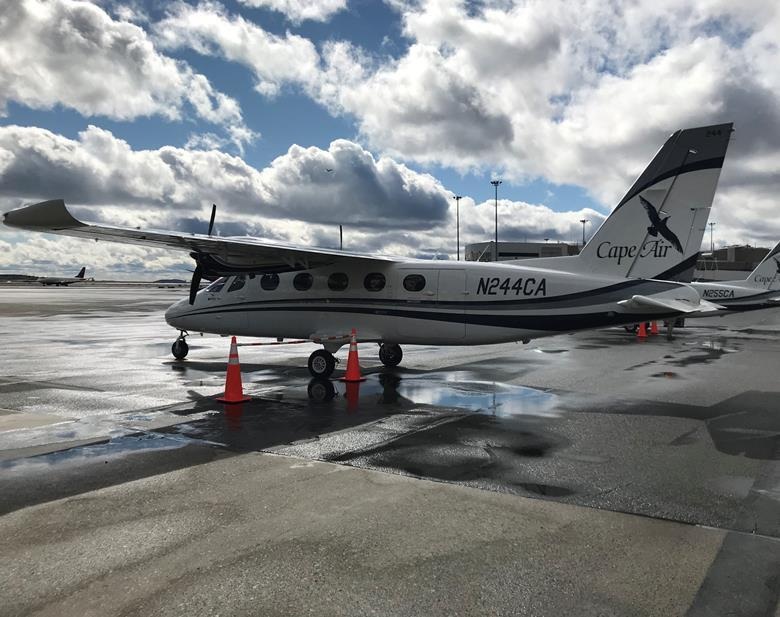
Cape Air in the United States provides another useful example. Cape Air operates the small Tecnam P2012 Traveller aircraft into Boston Logan International Airport and John F. Kennedy International Airport in New York.
These small Tecnam aircraft operate at the same airports and use the same runways as large Airbus and Boeing jets. They do not stop the larger aircraft from operating, but their movements must be carefully fitted into the traffic flow.
A small aircraft cannot simply take off or land whenever it wants at a busy airport. Air traffic control must find the right place for it between larger and faster aircraft.
Velana International Airport is, of course, different from Luxembourg, Boston and John F. Kennedy. Every airport has its own runway arrangement, traffic pattern and operational problems.
The Maldives also has a very special traffic situation because of tourism and the large number of domestic and resort transfers. However, the examples from Luxembourg and Cape Air show that small aircraft and large jets can operate together when the traffic is properly planned and managed.
How Tourists Could Benefit
The main benefit for tourists would be the longer transfer day. A passenger arriving at Male’ during the evening could possibly reach a domestic airport close to the resort on the same night.
The passenger would not have to spend the night near Male’ waiting for a seaplane the following morning. This could make the journey shorter, easier and more comfortable.
The benefit would be even greater for tourists coming on short holidays. Someone staying in the Maldives for only five or six nights would not want to loose the first night before reaching the resort.
Departing tourists could benefit as well. A passenger booked on a late night international flight may be able to remain at the resort longer instead of travelling to Male’ very early in the day.
The Final Boat Journey Is Important
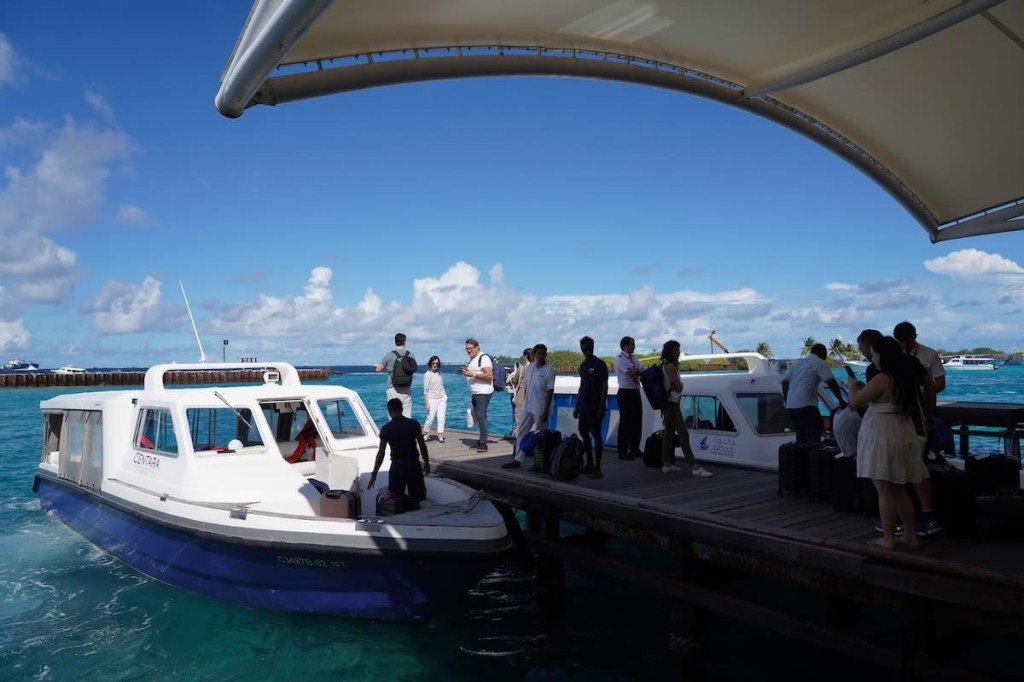
The speedboat journey from the domestic airport to the resort would need to be reasonable. There would be little benefit in saving time on the flight if the tourist then had to spend a long time travelling by boat.
Many passengers may accept a short and comfortable boat transfer. They may not be happy with a long journey late at night, particularly when the sea is rough.
The idea would therefore work best where several resorts are located close to one domestic airport. Reliable speedboats, trained crews and safe landing facilities would also be needed.
The whole journey must be planned as one complete transfer, not as three separate parts. The international arrival, Twin Otter flight and speedboat journey would all need to connect smoothly.
Passenger baggage would also have to move without unnecessary delay. Tourists should receive clear information and should not be left waiting at different points without knowing what is happening.
Male’, the domestic airports, the aircraft operators and the resorts would all need to work closely together. Without that cooperation, even a good flying operation could result in a poor passenger experience.
This would allow the visitor to make better use of the holiday already paid for. It could also help resorts make better use of their rooms and provide more flexible arrival and departure arrangements.
Resorts would have another transfer choice available to them. Depending on the location, time of day and number of passengers, they could use a seaplane, an existing domestic flight, a wheel equipped Twin Otter or a speedboat.
Questions That Still Need to Be Answered
This first exercise looked mainly at whether the additional flights might fit into the existing runway operation at Velana International Airport. It did not answer all the commercial, financial, technical and passenger handling questions.
A detailed study would have to identify which domestic airports and resorts could be served. It would also have to examine how many passengers travel to each area and at what times they arrive and depart.
Passenger demand may be high during the peak tourist season and much lower during other parts of the year. The service would need enough passengers throughout the year to cover its operating costs.
The cost of buying or leasing the aircraft would have to be studied carefully. Fuel, maintenance, spare parts, insurance, crew salaries, ground handling and airport charges would all have to be included.
The cost per passenger would then need to be compared with seaplane transfers, existing domestic flights and speedboat services. Resorts and passengers would only use the service if it were safe, reliable, convenient and reasonably priced.
The facilities at each destination airport would also need to be checked. Runway lighting, navigation facilities, weather information, air traffic services, security, passenger handling and rescue and firefighting services would all have to meet the required standards.
Male’ would need to have suitable parking and ground handling arrangements for the Twin Otters. Passenger and baggage transfers between international flights and the Twin Otter operation would also require proper planning.
IFR Does Not Mean Flying in All Weather
Operating under IFR would give the aircraft more flexibility than normal daytime seaplane operations. However, it does not mean that the aircraft could operate in every type of weather.
Heavy rain, thunderstorms, poor visibility, strong winds and runway conditions could still affect the flights. The weather at Male’, the destination airport and the required alternate airport would all need to be considered.
The pilots would need the correct training, qualifications and experience. Their flight and duty hours would have to be properly managed if the operation continued from early morning until late at night.
Maintenance support would be equally important. Enough time would have to be allowed for inspections, servicing and repairs, and spare aircraft may also be needed to keep the operation running during maintenance.
These are all matters for a proper operational and safety study. A ballpark traffic exercise cannot provide final answers to them.
An Idea Worth Exploring Further
This idea began during a friendly conversation with people who have spent many years in the Maldivian tourism industry. They understand the difficulties faced by resorts and tourists when international flight times do not match the available transfer times.
I took that idea and looked at it mainly from the airport and air traffic side. My purpose was to see whether five wheel equipped Twin Otters would immediately create an impossible situation at Velana International Airport.
Based on the actual aircraft movements on one of the busiest Sundays of the tourist season, I found nothing to suggest that the idea is impossible. The aircraft may be manageable if their flights are spread throughout the day and carefully fitted into the existing traffic.
The most important point is that timing matters more than numbers. Five Twin Otters arriving or departing together during a busy hour could create delays, while the same five aircraft spread over 16 to 18 hours could be much easier to manage.
Luxembourg Airport shows that large passenger aircraft, heavy cargo aircraft and smaller aircraft can share one runway. Cape Air’s Tecnam P2012 Traveller aircraft operating alongside large jets at Boston Logan and John F. Kennedy show the same thing in a different operating environment.
These examples do not prove that the idea will work at Male’. They simply show that mixed aircraft operations are already common and can be handled through good planning, flexible scheduling and proper air traffic control.
This exercise also does not prove that five Twin Otters are the right number. It does not show whether the operation would make money or decide which airports and resorts should be served.
What it does show is that the idea should not be dismissed without being properly studied. There appears to be enough encouragement to carry out a detailed operational, commercial and financial feasibility and viability study.
Sometimes a useful idea begins with a simple conversation among friends who understand an industry well. This may be one of those ideas, and in my view, it is worth taking a closer look at it.
 Ibrahim Khalid
Leave a comment