My personal take after studying the latest safety reports from ICAO, IATA and the Flight Safety Foundation
I recently spent some time studying three major global aviation safety reports for last year. The ICAO Safety Report, the IATA Annual Safety Report and the Flight Safety Foundation Safety Report. Each report looks at safety from a slightly different angle. ICAO mainly uses official information received from its member countries, IATA looks closely at airline operations and industry safety data, while the Flight Safety Foundation covers a wider range of accidents and draws attention to some of the bigger problems developing across aviation.
The figures in the three reports are not always the same because they do not cover exactly the same aircraft and operations. It would therefore be wrong to compare one total directly with another. However, when I looked beyond the figures, I found that all three reports were giving us a very similar message. Aviation remains very safe, but traffic is growing, airspace is becoming more crowded, operations are becoming more complicated and the industry is depending more heavily on technology. Some familiar safety problems are still causing accidents, while several newer threats are beginning to appear.
Being in aviation for more than forty years, what struck me most was not simply the number of accidents recorded. It was the number of warning signs that were present before many of them. We often say that aviation learns from accidents, but the real aim should be to learn from incidents and weaknesses before an accident happens. What follows is my personal take on the main issues I found while going through those reports.
The overall safety record remains good
The first and most encouraging message is that commercial aviation continues to be one of the safest forms of transport in the world. IATA says that nearly five billion passengers travelled on 38.7 million flights during 2025. It recorded an accident rate of 1.32 accidents for every one million flights, compared with 1.42 in 2024. Looking further back, the improvement is even more impressive because the rate has come down from 3.72 accidents per million flights in 2005.
This improvement did not happen by chance. It came from better aircraft, more reliable engines, improved navigation and surveillance, stronger regulations and oversight, better training and the lessons learned from previous accidents. Every major accident has, in one way or another, led to changes in aircraft design, operating procedures, training or oversight. That is one of the main reasons why millions of flights are completed safely every year.
However, good overall figures can hide serious problems. IATA recorded eight fatal accidents in 2025, resulting in 394 deaths on board aircraft and another 35 deaths elsewhere. The Flight Safety Foundation also found that the number of airliner accidents came down from 140 in 2024 to 101 in 2025, while fatal accidents reduced from 15 to 12. Yet the number of people killed increased sharply because a few accidents caused a very large loss of life.
For me, the lesson is that we should not judge safety only by counting accidents. One accident involving a large passenger aircraft can kill hundreds of people and completely change the safety picture for that year. An accident may be very rare, but its consequences can still be catastrophic.
Accident figures do not show everything
Accident rates are necessary because they allow us to compare the number of accidents with the number of flights operated. But they mainly tell us what has already happened. They do not always show what is slowly developing inside the system.
An airline, airport or country may operate for many years without a fatal accident. That does not automatically mean that every part of the operation is safe. There may be repeated losses of separation, unstable approaches, runway incursions, equipment failures, communication mistakes or cases where an accident was prevented only by the last available safety barrier. If none of these events ends in an accident, they may never appear in the accident figures.
From my own experience, this is where we must be very careful. When a similar incident happens several times without anyone being hurt, people can slowly begin to accept it as normal. They may say that the pilots had the traffic in sight, the aircraft passed safely or the system worked as intended. In reality, the continued safe outcome may have depended on good luck, quick action by one person or a warning system stepping in at the last moment.
The three reports make it clear that accidents are usually preceded by warnings. This is why accident figures must be studied together with incident reports, flight data, Traffic and Collision Avoidance System alerts, runway events, technical reports and information from front-line staff. If we wait until the accident figures begin to change, the opportunity to prevent the accident may already have been lost.
Mid air collision remains a serious threat
A mid air collision is one of the rarest types of an aviation accident, but when two aircraft collide in flight there is normally very little chance of recovery. The accident near Ronald Reagan Washington National Airport on 29 January 2025 showed this very clearly. A regional passenger aircraft on approach collided with a military helicopter, killing all 64 people on the passenger aircraft and the three people in the helicopter.
The Flight Safety Foundation uses this accident to give a wider warning about mixed-use airspace. Today, commercial aircraft, military aircraft, helicopters, business jets, light aircraft and drones may all be operating within the same limited area. They fly at different speeds, carry different equipment and may sometimes operate under different rules. The Foundation’s concern is that air traffic and the number of different operations are growing faster than some of the systems used to manage them safely.
IATA also continues to treat mid air collision as one of the main global safety risks. It recorded three mid air collision accidents between 2016 and 2025, resulting in 69 deaths. The Flight Safety Foundation recorded four mid air collision related accidents in 2025 alone, which was more than the total recorded during the previous five years. Only two involved aircraft actually colliding. In the other two events, people were seriously injured when the aircraft made sudden avoiding manoeuvres after receiving collision warnings.
These warnings came from the Traffic Collision Avoidance System, commonly known as TCAS. In simple terms, TCAS is equipment carried mainly by larger aircraft that watches for other aircraft fitted with working transponders and warns the pilots when another aircraft is getting too close. It first gives a Traffic Advisory, which tells the pilots to look for the other aircraft and be ready. If the danger becomes more serious, it gives a Resolution Advisory, which tells the pilots to climb, descend or change their rate of climb or descent to avoid a collision. When both aircraft are properly equipped, their TCAS systems can work together so that one aircraft is told to climb while the other is told to descend.
TCAS has prevented many collisions, but it should remain the final safety barrier and not become the normal way of keeping aircraft apart. A Resolution Advisory means that the aircraft have already come close enough for the system to calculate that immediate action may be needed. The warning may show that TCAS worked, but it may also show that earlier protections, such as airspace design, air traffic separation, surveillance and traffic information, had failed or were not strong enough.
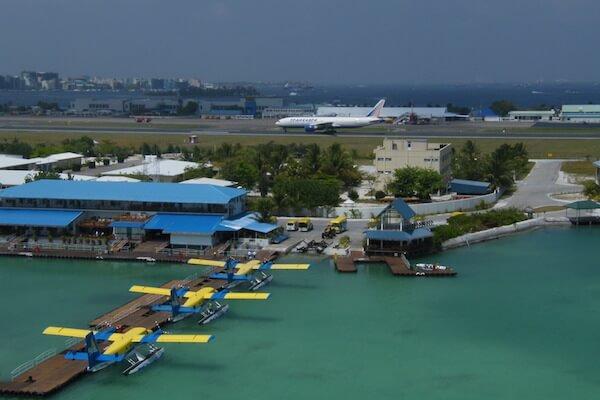
There is also an important limitation. TCAS can provide useful information only when the other aircraft has a suitable transponder switched on and working correctly. In addition, many smaller aircraft, including seaplanes, do not carry the same full TCAS equipment as larger passenger aircraft. This means the pilot of an ATR, Dash 8 or jet may receive an instruction to climb or descend, while the seaplane pilot may receive no matching instruction and may be depending only on visual contact or information from air traffic control.
For the Maldives, this subject has particular importance. We have a very large number of VFR seaplanes operating in the same general airspace as IFR turboprops, business jets and international aircraft. A Twin Otter may be flying at a little over 100 knots while an ATR, Dash 8 or jet aircraft is climbing or descending at a much higher speed. The differences in speed, equipment and operating procedures can leave very little time to recognize and avoid a developing conflict.
The risk is not limited to a conflict between a seaplane and an IFR aircraft. Two seaplanes may also come dangerously close, but neither may have equipment capable of giving coordinated avoiding instructions. Their safety may depend mainly on position reports, traffic information and the pilots seeing each other in time. This is why ‘see and avoid’ alone may not always provide enough protection in a large and concentrated commercial seaplane operation, particularly in haze, near cloud or during busy traffic periods.
We have already experienced TCAS events, airprox reports and losses of separation involving seaplanes and IFR aircraft, as well as conflicts between seaplanes. These events show that the danger is not theoretical. They should be examined together to identify the routes, levels, times and traffic conditions where conflicts are most likely, especially during the peak tourist season. The aim should be to prevent aircraft from getting close enough to need a TCAS Resolution Advisory, rather than depending on TCAS to save the situation at the last moment.
TCAS should remain the final safety barrier
TCAS has prevented many collisions by warning pilots when another suitably equipped aircraft is becoming a threat. It may also instruct the pilot to climb, descend or change the rate of climb or descent. IATA gives special attention to studying these Resolution Advisories and using flight data to understand where they happen, what caused them and whether the pilots responded correctly.
This is very useful work, but TCAS should never become the normal method of keeping aircraft apart. A Resolution Advisory means that the situation has already become serious and the pilots may have only a short time to act. Good airspace design, proper separation, accurate surveillance and early traffic information should prevent the aircraft from reaching that point.
There is another problem when only one aircraft has full TCAS equipment. The pilot of a turboprop or jet may receive an instruction to climb or descend while the seaplane pilot may receive no matching instruction. The seaplane pilot may be depending on visual contact, traffic information or an ordinary air traffic control instruction. If both pilots take avoiding action in the same direction, the situation could become worse.
The concern is even greater when two seaplanes come into conflict because neither may have equipment capable of giving coordinated avoiding instructions. In such cases, safety may depend entirely on position reports, traffic information and seeing the other aircraft in time. We should not expect ‘see and avoid’ alone to safely manage a large and concentrated commercial seaplane operation.
Loss of control in flight continues to kill
Loss of control in flight happens when pilots are no longer able to keep the aircraft flying in a controlled manner. It can develop from a stall, severe weather, equipment failure, pilot confusion, wrong control inputs or a misunderstanding of what the automation is doing. In many accidents, it is not one single problem but several small problems coming together.
The Flight Safety Foundation recorded six loss of control accidents involving airliners in 2025, and five were fatal. Its information on corporate jets also showed that loss of control remained one of the main causes of fatal accidents. ICAO and IATA continue to include it among the main global high risk categories for this reason.
Modern aircraft have excellent warning systems, automation and protection. These have made flying much safer, but they cannot remove every risk. Pilots must still understand how the aircraft behaves at low speed, high altitude and in unusual situations. They must recognize the early signs of a stall or an unexpected loss of control before recovery becomes extremely difficult.
Automation has reduced workload and improved accuracy, but it has also changed the way pilots fly. A pilot who spends most of the flight monitoring automatic systems may have fewer opportunities to practise manual flying. Simulator training should therefore go beyond repeating familiar exercises to pass a check. It must prepare pilots for confusing and unexpected situations in which the correct answer may not be immediately obvious.
Turbulence is causing more injuries than many realize
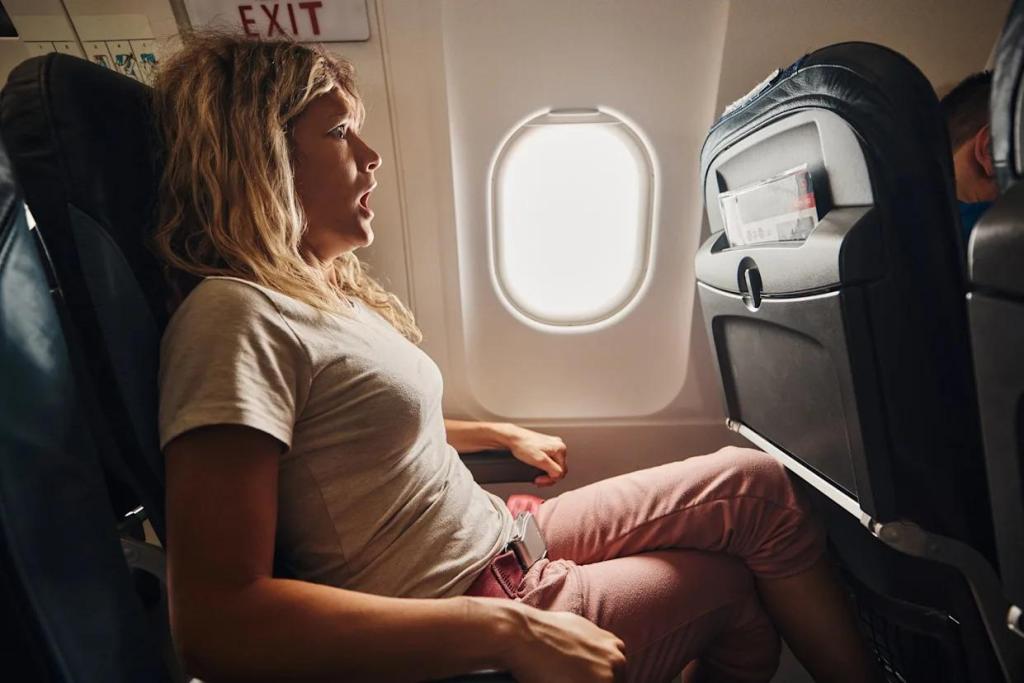
Many passengers see turbulence as an uncomfortable but ordinary part of flying. The reports show that it is also one of the most common causes of injuries in commercial aviation. The Flight Safety Foundation recorded 26 turbulence related airliner accidents in 2025. Although this was lower than the 35 recorded in 2024, turbulence remained the most common accident category for the fourth year in a row.
ICAO reported that around 75% of serious injuries in its 2024 accident information came from turbulence related accidents. That figure surprised me. The aircraft itself can normally handle ordinary turbulence, but the people inside the cabin may not. A passenger without a seatbelt can be thrown against the ceiling or seats, while cabin crew are exposed because they may be standing, walking or serving passengers.
Clear air turbulence is particularly difficult because it can happen without any visible cloud. There may be no obvious warning before the aircraft suddenly moves. There is also concern that clear air turbulence may become more common or severe in some areas, making better weather information and quicker sharing of reports even more important.
Aircraft already experiencing turbulence should pass that information to other aircraft and air traffic control. Modern systems can also collect and share turbulence information automatically. Pilots need enough warning to avoid the worst area or secure the cabin, and cabin crew must be given enough time to stop the service and take their seats. Passengers can also protect themselves by keeping their seatbelts fastened whenever they are seated, even when the seatbelt sign is off.
Runway excursions are still happening too often
A runway excursion happens when an aircraft leaves the side or end of a runway during take off or landing. The Flight Safety Foundation recorded 14 runway excursion accidents involving airliners in 2025. It also recorded 12 involving corporate jets, four of which were fatal. IATA found that runway excursions remained among the most frequent accident categories, while ICAO continues to treat them as a global high risk area.
A runway excursion can begin long before the aircraft reaches the runway. The approach may be too high or too fast, the aircraft may land too far down the runway, or the runway may be wet, flooded or have poor braking action. A tailwind stronger than expected or a problem with the brakes, tyres, steering or reverse thrust may make the situation worse.
In many cases, the warning signs are already there before touchdown. This is why a go around remains one of the most important safety decisions available to a pilot. Crews should never feel pressured to continue an unstable approach because they are close to the destination or concerned about fuel, passengers, weather or delays.
Airports also have a major responsibility. Runway condition information must be accurate and passed to pilots without delay. Drainage, lighting, markings and the area beyond the runway must be suitable, while emergency services must be ready to respond if an aircraft leaves the runway. Runway safety is not only the responsibility of the flight crew.
Runway incursions can become disasters within seconds
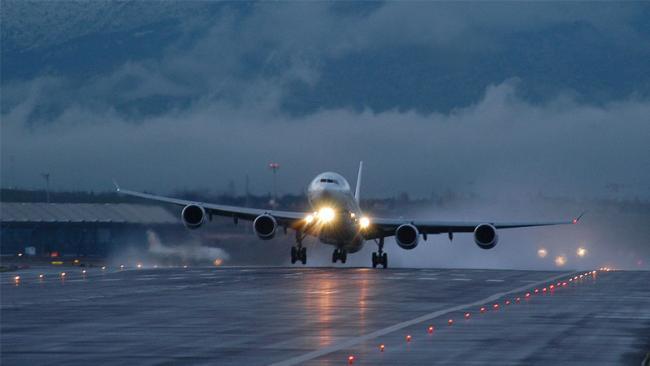
A runway incursion happens when an aircraft, vehicle or person is incorrectly present on a runway being used for take off or landing. An aircraft may be travelling at very high speed, leaving only seconds to avoid a collision. This is why ICAO and IATA continue to include runway incursion among the main global safety risks.
The danger increases at airports with complicated taxiways, unclear signs, poor visibility and congested radio frequencies. Similar aircraft call signs or taxiway designations can also lead to misunderstanding. Several events around the world have shown how close aviation has come to major runway collisions, sometimes prevented only because a pilot saw the danger and rejected the take off or went around.
Surface movement radar, stop bars and automatic runway warnings can provide additional protection, but technology cannot replace clear communication and disciplined procedures. Pilots, controllers and vehicle drivers must understand exactly what they have been cleared to do. If there is any doubt, the instruction must be checked immediately rather than acted upon based on an assumption.
Smaller airports may not have advanced runway safety equipment, which makes strict procedures even more important. Proper vehicle control, clear communication, regular runway inspections and a clear understanding of who is responsible for confirming that the runway is free are basic requirements that should never be weakened.
Controlled flight into terrain has not disappeared
Controlled flight into terrain happens when an aircraft that is still under the control of the pilots unintentionally flies into land, water or an obstacle. This type of accident has reduced greatly because of better navigation, terrain warning equipment, accurate charts and improved approach procedures. Even so, ICAO and IATA continue to treat it as one of the main global safety risks.
IATA says controlled flight into terrain accounted for 16 per cent of fatal commercial aviation accidents between 2016 and 2025. This shows that the risk is still present. Terrain databases must be correct and kept up to date, pilots must respond immediately to genuine warnings, and authorities must provide accurate information about terrain and obstacles.
The Maldives is flat, but that does not mean we have no such risk. The definition also includes flying into water or an obstacle. At night over dark water, a pilot may have very few outside visual references, and an incorrect position, early descent or misunderstanding of an approach procedure can still place an aircraft in danger.
GPS interference can no longer be treated as a distant problem
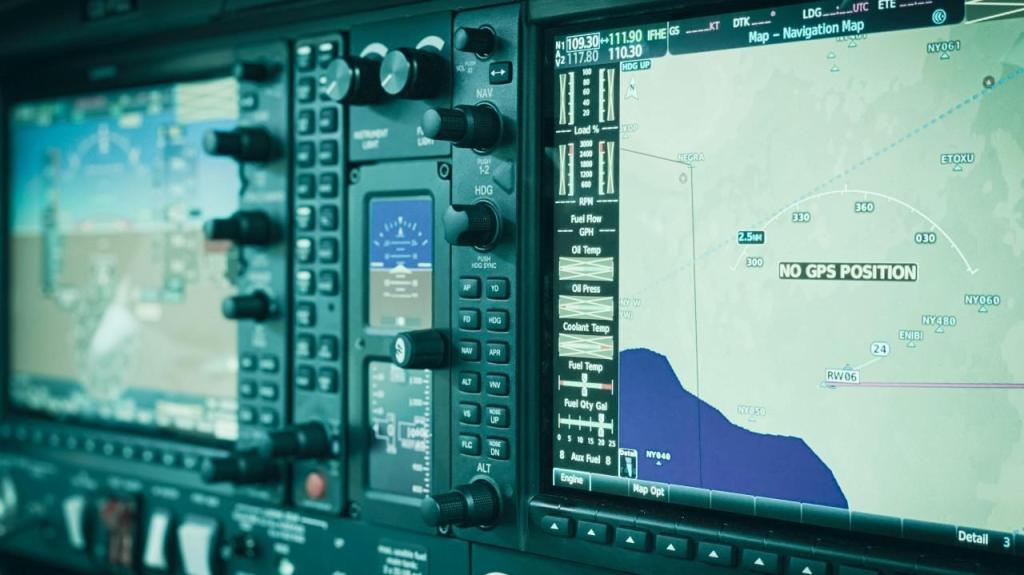
One of the strongest new warnings in the ICAO and IATA reports is the increase in interference with satellite navigation, normally called GPS or GNSS interference. Modern aircraft use satellite information for navigation, position and time, while other systems such as ADS-B also depend on an accurate position.
The satellite signal is very weak by the time it reaches an aircraft, making it open to interference. Jamming blocks or weakens the signal so that the aircraft cannot use it properly. Spoofing is more worrying because it sends false signals that may make the aircraft calculate an incorrect position or time while the information displayed to the pilot may still look normal.
ICAO says GNSS interference continues in several parts of the world and is unlikely to be fully resolved in the short term. IATA identifies it as a serious concern in Asia, Europe, the Middle East and other regions. It is therefore no longer a problem limited to only to parts of the world which are at war.
Pilots and controllers must be trained to recognize the signs of interference, and every event should be reported quickly. States must investigate harmful interference and protect the frequencies used by aviation. Airlines and air navigation service providers also need clear procedures for continuing safely when satellite information becomes unreliable.
This is particularly important for the Maldives because we depend heavily on satellite navigation over a large oceanic area. We must also be careful about removing too many traditional ground based navigation aids without ensuring that a practical backup remains available. Depending on one system alone, however reliable it may appear, is never a good safety position.
Lithium battery fires are increasing
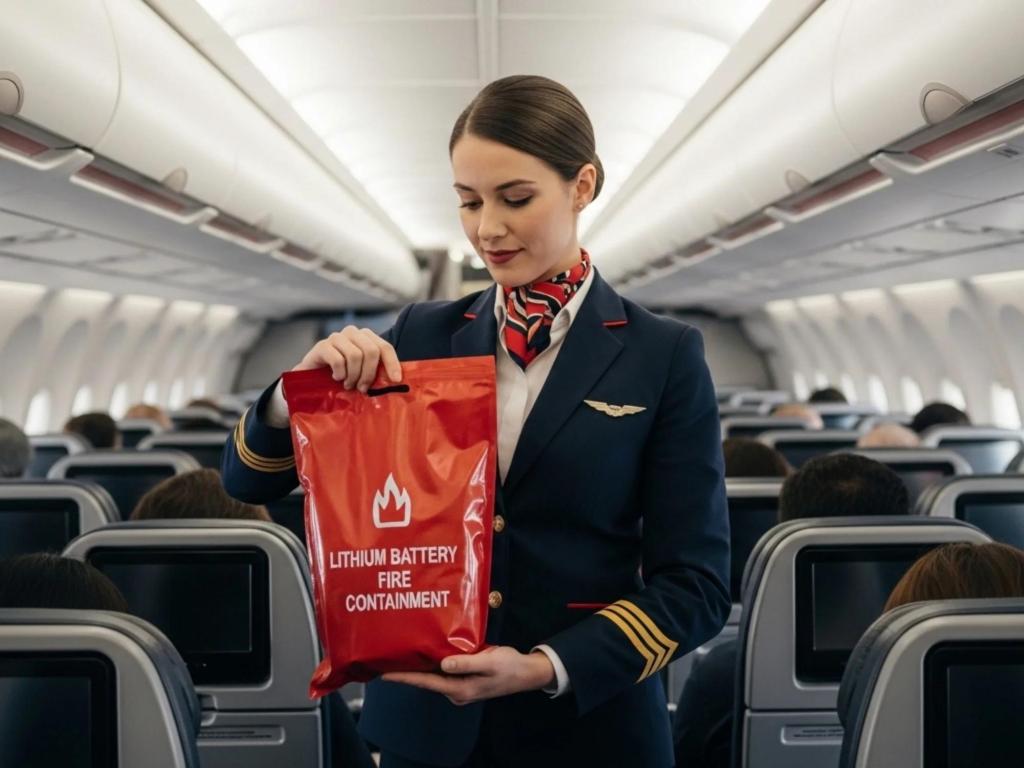
The Flight Safety Foundation found that safety events involving lithium batteries continued to increase. It recorded 101 such events in 2025, compared with 83 in 2024. This is becoming a bigger concern because gadgets powered by lithium batteries are no longer luxury items that passengers can easily leave at home. Mobile phones, laptops, tablets, cameras, smartwatches, power banks and other electronic devices have become part of everyday life. People use them for communication, work, payments, travel documents, entertainment and even medical purposes, and most passengers now feel they cannot travel without them.
It is therefore not realistic to think that lithium battery devices can simply be kept away from aircraft. They have become almost like everyday utilities, and they are carried by nearly every passenger flight. The challenge for aviation is to allow people to carry and use these essential devices while properly controlling the fire risk that comes with their batteries.
If a battery is damaged, badly made, incorrectly packed, overheated or charged with unsuitable equipment, it can produce intense heat, smoke and fire. The heat from one cell can spread to the next, causing what is known as thermal runaway. Even after the fire appears to have been put out, the battery may heat up again and restart. This makes a lithium battery incident inside an aircraft particularly difficult because it happens in a closed cabin where the aircraft cannot simply stop by the side of the road.
Passengers therefore need simple and clear information before they reach the boarding gate. They must understand where spare batteries and power banks should be carried, why electronic cigarettes require special care, and what they should do if a device becomes unusually hot, starts swelling, gives off a strange smell or begins producing smoke. Passengers should also be encouraged to tell the cabin crew immediately instead of trying to hide or handle the problem themselves.
Cabin crew must be properly trained and have the right equipment to deal with an overheating device. They need to know how to control the fire, cool the battery, prevent it from spreading and continue monitoring it because it may restart. Airlines must also regularly review their procedures as passengers begin carrying more devices and batteries with greater power.
Cargo presents another serious concern. A shipment of undeclared or incorrectly packed lithium batteries may be loaded without the airline knowing the danger it presents. A fire inside a cargo hold may not be noticed as quickly as one in the passenger cabin, and access to the source may be very difficult during flight.
The responsibility does not rest only with passengers or airlines. Battery manufacturers must produce safe and properly tested products, while shippers must correctly declare and pack them. Cargo agents, freight companies, airport operators and regulators must make sure that the rules are understood and followed throughout the chain. These gadgets have become part of modern life and people are not going to stop carrying them, so the practical answer is not to try to remove them from aviation. The answer is to understand the risk, control it properly and make sure that everyone involved knows what to do when something goes wrong.
Ground damage is more serious than it may appear
IATA estimates that damage caused during ground handling already costs aviation more than US$4.5 billion every year, and it warns that the cost could rise sharply. Aircraft can be struck by baggage vehicles, catering trucks, belt loaders, passenger steps or other equipment during a busy turnaround.
The damage may look small from the outside, but the aircraft skin, door, engine or control surface may have been affected. If the impact is not reported, the aircraft could depart without being properly inspected. What begins as a small ground accident can then become a much more serious in flight problem.
The area around an aircraft is often crowded and noisy, with several vehicles moving in a limited space while staff work under time pressure. Poor lighting and rain can make the situation worse. Modern ground equipment with cameras, warning systems and automatic braking can help, but technology alone will not prevent every accident.
Ground staff need proper training, supervision and enough time to complete their work safely. There must also be a culture in which every impact is reported immediately. No employee should hide aircraft damage because of fear of punishment or pressure to prevent a delay.
Human factors remain at the centre of safety
After going through all three reports, it is clear to me that people remain at the centre of almost every aviation safety issue. Technology may help us, but people still design, operate, control, inspect and maintain the whole system. IATA found that communication problems, fatigue and accepted workplace habits were among the most commonly reported human factor concerns.
Fatigue can affect attention, memory, judgement and reaction time. A tired pilot, controller, engineer or ground worker may miss a warning, misunderstand an instruction or make a decision they would not normally make. Staffing and duty schedules must therefore be planned around human limitations, not only around operational needs.
Communication problems can come from similar call signs, poor radio quality, language difficulties, interruptions or simple assumptions. Many serious events have happened because one person believed another person had understood something that was never clearly confirmed.
Another danger is the gradual acceptance of shortcuts. A person may stop following part of a procedure because it appears unnecessary or takes more time. If nothing happens, others may begin doing the same thing until the shortcut becomes accepted as normal. I have seen enough during my aviation career to know that this is how safety margins can slowly disappear without anyone noticing.
People will always make mistakes, and no amount of regulation can completely remove that. The system must therefore be designed so that one ordinary mistake does not immediately lead to an accident. Clear procedures, practical training, proper supervision and more than one safety barrier are essential.
Staff shortages and workload must be taken seriously
The Flight Safety Foundation warns that air traffic and operational complexity are growing faster than some of the systems designed to manage them. Many organizations are facing shortages of controllers, pilots, engineers, inspectors and other trained staff, while experienced people are retiring.
Replacing an experienced person is not simply a matter of issuing a licence to someone new. Experience develops over time, especially the ability to recognize a difficult situation before it becomes serious. New staff need proper training, supervision and exposure to real operational conditions.
A system may work well when the weather is good, all equipment is available and traffic is normal. The real test comes when bad weather, an equipment failure, heavy traffic and a staff shortage happen together. A system already operating close to its limit has very little room left to deal with the unexpected.
Staffing should not be measured only by whether every position on the roster has been filled. Workload, fatigue, breaks, supervision, training and the ability to handle emergencies must also be considered. Communication, navigation, surveillance and airport systems must grow with the traffic rather than waiting until the operation has already exceeded their capacity.
New users will make airspace more complicated
Future airspace will not be used only by normal passenger and cargo aircraft. Drones, remotely piloted aircraft, high altitude platforms and commercial space vehicles will all require access. IATA is already studying how these new operations may affect mid air collision risk and normal air traffic management.
Rocket launches may require large areas of airspace to be closed, forcing commercial aircraft to fly longer routes or use more crowded areas. Drones and remotely piloted aircraft may communicate and operate differently from ordinary aircraft. Their position must be known, and everyone must clearly understand who is responsible for keeping them safely separated from other traffic.
New technology should not be introduced into normal airspace without first understanding how it will affect existing operations. Internationally agreed rules, dependable surveillance and reliable communication will be necessary. Progress is important, but it must not come by reducing the safety margins already protecting millions of passengers.
Artificial intelligence can help, but it must not replace judgement
IATA is using artificial intelligence and advanced data analysis to examine flight information, incident reports, weather and turbulence. This can help find patterns hidden inside a very large amount of information, such as similar events happening at the same airport, on the same route or during the same phase of flight.
Used properly, this could help aviation move from reacting to accidents towards finding risks earlier. However, artificial intelligence is only as good as the information given to it. Poor, incomplete or incorrect information can produce a misleading result.
Human experts must still understand what the result means in the real operation and decide what action is needed. Artificial intelligence should support professional judgement, not replace it. Aviation organizations must also understand what information is being used, how the result was reached and what limitations the system has.
Accident investigations must be completed and published
All three reports strongly support proper and timely accident investigation. The purpose of an investigation is not to find someone to punish. It is to understand what happened, why it happened and how the same accident can be prevented.
Unfortunately, some investigations continue for many years, while some final reports are never published. IATA explains that it cannot properly classify some accidents because the official investigation has not provided enough information. This means valuable lessons may be delayed or completely lost.
Countries must give accident investigation authorities enough trained staff, funding, equipment and independence. Preliminary information should be released quickly, followed by a proper final report within a reasonable time. Protecting the image of an organization or country should never be more important than preventing another accident.
For me, publishing a proper investigation report is also a responsibility to those who lost their lives. The best way to respect them is to make sure that the same failure is not allowed to take more lives elsewhere.
Reporting is useful only when it leads to action
Aviation collects a great deal of safety information from pilots, controllers, engineers, cabin crew and ground staff. Reports may describe unstable approaches, equipment failures, airprox events, fatigue, communication problems and many other hazards. This information gives an organization a chance to act before an accident.
However, collecting reports is not enough. They must be studied together to identify common patterns, and action must follow. People will stop reporting if they believe their reports simply disappear into a file.
A good reporting system should treat honest mistakes fairly. People must be able to report an error without unnecessary fear when that report could help prevent a future accident. This does not mean deliberate violations or reckless behaviour should be accepted, but there must be a clear difference between an honest mistake and an intentional unsafe act.
Senior managers must also be directly involved. Safety cannot be left only to the safety manager because decisions about staffing, schedules, training, equipment and budgets all affect the safety of the operation. The real test of safety leadership comes when the safe decision costs money, causes inconvenience or delays a flight.
What all this means for the Maldives
The problems identified in these three reports are global, but many are directly relevant to the Maldives. We operate a large seaplane network alongside international jets, domestic turboprops and business aircraft, much of it within a limited area around Male’. We also operate across a large oceanic area and depend heavily on satellite navigation and communication.
Our mixture of VFR seaplanes and IFR aircraft deserves particular attention. The risk may involve two seaplanes or a seaplane and an IFR turboprop. Past airprox reports, TCAS warnings and losses of separation must be examined together and not closed as unrelated incidents simply because no collision happened.
We should identify the routes, levels, times and conditions where conflicts are developing. Peak tourist traffic, weather, visibility, radio congestion and differences in aircraft speed must all be considered. Surveillance should give controllers an accurate picture of the traffic, while procedures must clearly state what service is being provided and what action is required before a conflict becomes serious.
The other issues in the reports also apply to us. We must prepare for GNSS interference, continue improving runway safety, control ground handling risks, watch fatigue and communication problems and strengthen the handling of lithium batteries and other dangerous goods. Our accidents and serious incidents must be investigated without unnecessary delay, and the lessons should be shared with the whole industry.
Afterword
After studying the ICAO, IATA and Flight Safety Foundation reports, my main conclusion is that aviation remains safe because the industry has continued to learn and improve. But we cannot depend only on our past success. Traffic is growing, the operating environment is changing and new threats are appearing.
Some familiar dangers remain, including loss of control, mid air collision, runway excursions, runway incursions, controlled flight into terrain, fatigue and communication failures. We are also facing newer concerns such as GNSS interference, lithium battery fires, drones, commercial space operations and increasing dependence on complicated technology.
The next major accident may not come from a completely unknown danger. It may come from a risk that has already been reported many times but was not properly addressed. There may already have been smaller incidents, warnings and close calls, but the danger slowly became accepted because no serious accident followed.
For me, the real value of these three reports is not only in the figures. Their value is in the warning signs and lessons behind those figures. Aviation safety will continue to improve only when regulators, airlines, air navigation service providers, airports, manufacturers and front line staff openly share information and act together.
We should never wait for serious injuries or fatalities to happen before accepting that a risk is real. The safest time to act is when the warning signs are already in front of us.
 Ibrahim Khalid
Leave a comment