Two important developments took place in global aviation during July 2026. They happened separately, but both brought attention to the participation of women in aviation and the opportunities available to them.
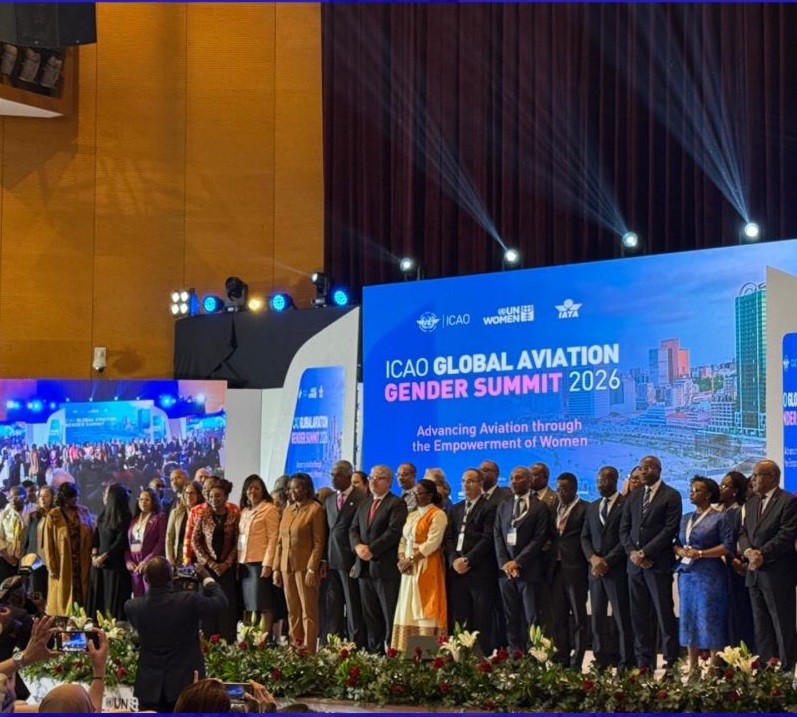
The first was the ICAO Global Aviation Gender Summit held in Luanda, Angola, from 21 to 23 July. The second was IATA’s announcement that Saadia Zahidi would become its next Director General and the first woman to hold that position.
Both developments are encouraging. However, they also remind us that women are still poorly represented in many parts of aviation, especially in technical, operational and senior management positions.
What the ICAO Summit Told Us
More than 950 people attended the ICAO Global Aviation Gender Summit. They came from governments, aviation organizations, international bodies, the industry and universities.
The Summit was hosted by the Government of Angola with support from UN Women and IATA. Its main purpose was to look at what can be done to bring more women into aviation, help them remain in the industry and give them a fair opportunity to reach senior positions.
We have been talking about this subject in aviation for many years. There have been meetings, policies and promises, but the figures still show that progress has been slow.
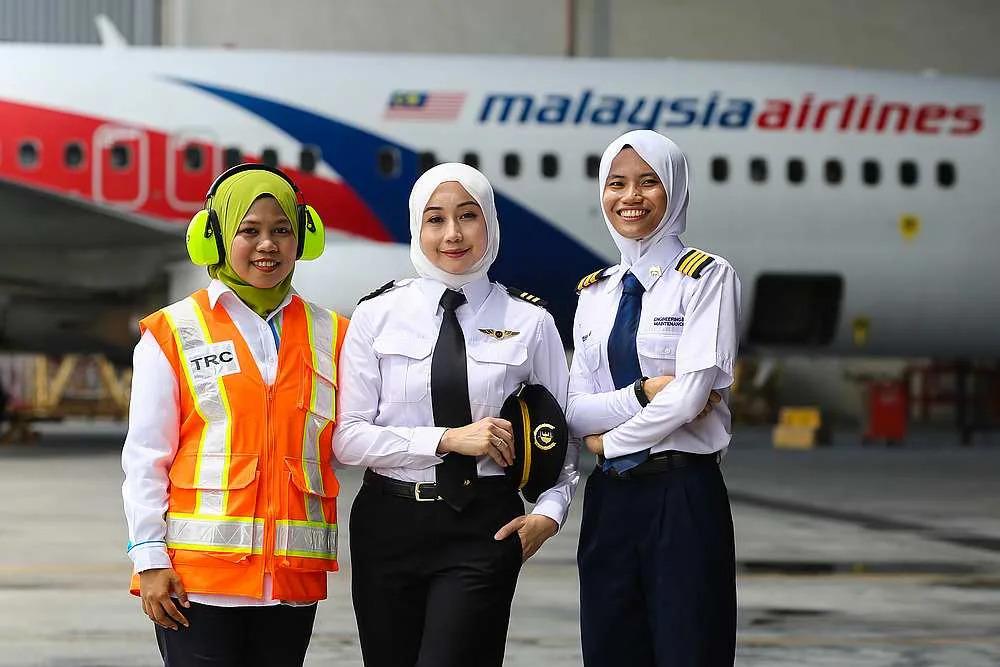
According to ICAO, women make up only about 4% of pilots worldwide. They account for just 3% of aircraft maintenance engineers and technicians, while around 20.6% of air traffic controllers are women.
The percentage of women in air traffic control is better than in some other technical areas. Even so, women are still far from being equally represented across the aviation industry.
These figures do not mean that women are less interested in aviation or are unable to do these jobs. The problem may begin much earlier, when girls are deciding what they want to study and what kind of work they want to do.
Many may not receive enough information about aviation careers. Others may face difficulties in obtaining training, finding financial support or seeing a clear path into the industry.
The cost of becoming a pilot or an aircraft maintenance engineer can also be very high. Without scholarships or financial assistance, these careers may remain out of reach for many young people, whether they are male or female.
Family responsibilities and workplace conditions may also affect women after they enter the industry. A lack of female instructors, mentors and senior managers can make it harder for young women to see how far they can progress.
Meetings Must Lead to Action
There is nothing wrong with holding international summits and discussing these issues. Such meetings bring people together, share useful experiences and help countries understand what others are doing.
However, the real value of a summit can only be seen in what happens afterwards. If the discussions do not lead to changes in education, training, recruitment and promotion, the same issues will probably be discussed again at the next summit.
One important matter discussed in Luanda was the need for better information. Countries and aviation organizations must know how many women are working in each aviation profession, how many are reaching senior positions and how many are leaving.
They must also try to understand why women leave the industry. Without this information, it will be difficult to identify the real problems and know whether any action being taken is working.
ICAO has already started several programmes to help countries and the aviation industry. Its Global Network of Gender Focal Points now has representatives from 105 Member States, and a new toolkit is being prepared to help improve women’s participation and advancement in aviation.
ICAO is also expanding the collection of aviation data relating to women. It is carrying out a major study covering more than 140 countries to obtain a clearer picture of their experiences and career progress.
These are useful steps, but ICAO alone cannot bring about the necessary change. Governments, regulators, airlines, airports, air navigation service providers, maintenance organizations and training institutions must all play their part.
Aviation careers should be introduced to girls while they are still at school. They should be shown that becoming a pilot, engineer, air traffic controller, airport professional or senior aviation manager is a real possibility if they have the interest and ability.
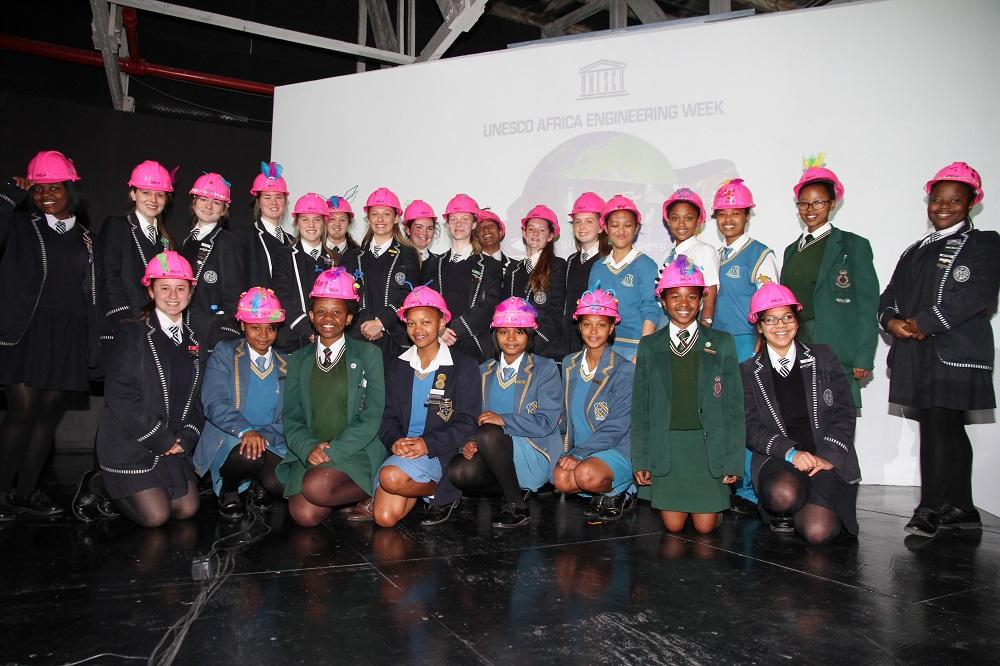
More than 90 girls took part in UNESCO’s Pink Hard Hat Challenge during the Summit. Programmes like this may appear small, but they can introduce young people to careers they may never previously have considered.
A Woman Will Lead IATA for the First Time
While the aviation world was discussing the participation of women in Luanda, IATA made an important announcement. Saadia Zahidi had been selected as its next Director General and will take up the position on 1 November 2026.
She will be the ninth person to lead IATA and the first woman to do so. This is a significant development because IATA represents airlines around the world and is one of the most influential organizations in international aviation.
IATA is involved in many areas, including safety, airline standards, financial systems, government policy, efficiency and sustainability. Its Director General speaks on behalf of the airline industry on many major international issues.
Zahidi will join IATA after working for more than 20 years at the World Economic Forum. She is a Managing Director and a member of its Managing Board, and she founded and leads its Centre for the New Economy and Society.
She has worked in areas such as employment, economic development, gender equality and the future of work. She has also helped prepare international reports on jobs, economic growth and the gender gap.
Her appointment comes at a time when aviation is facing many changes. New technology, political tensions, environmental pressure, workforce shortages and economic uncertainty will all affect how the industry develops.
IATA’s present Director General, Willie Walsh, will complete his duties on 31 July 2026. Sandrine Le Borgne, IATA’s Chief Financial Officer and Senior Vice President for Corporate Services, will serve as Interim Director General until Zahidi takes over.

The Appointment Must Be Seen on Merit
It is right to recognize that Zahidi will be the first woman to lead IATA. At the same time, her appointment should not be seen only as a step towards gender equality.
She has considerable experience and appears to have been selected because IATA’s Board believes she is qualified to lead the organization. That is how such appointments should be made.
Women should not be appointed merely to meet a target or to improve the public image of an organization. They should be given a fair chance to compete, and when they have the necessary qualifications, ability and experience, their gender should not stand in their way.
Appointing one woman to a very senior position does not mean the problem of women’s under representation in aviation has been solved. However, it sends a strong message to younger women that even the highest positions in the industry are open to them.
What the Aviation Industry Must Now Do
Aviation has always depended on competent people who can work safely, remain disciplined and use good judgement. These qualities do not belong only to men or only to women.
Giving more opportunities to women does not mean lowering aviation standards. It means ensuring that capable people are not prevented from entering or progressing in the industry simply because they are women.
The industry must look beyond speeches and good intentions. Airlines, airports, air navigation service providers, maintenance organizations and regulators should examine their own figures and ask some honest questions.
They should look at how many women they recruit, how many remain in the organization and how many reach management positions. They should also find out whether there are unnecessary barriers that make it harder for women to progress.
In some countries, the first need may be better career guidance in schools. In others, it may be scholarships, technical training, mentorship, suitable workplace policies or a fairer recruitment and promotion system.
Every country will not have the same problems, and the same solution will not work everywhere. What matters is that the problem is properly understood and that practical action is taken.
Progress Must Be Seen in the Figures
The ICAO Summit and Zahidi’s appointment are both encouraging developments. One brought the aviation community together to discuss what must be done, while the other showed a woman reaching one of the highest positions in an international aviation industry organization.
We should welcome these developments, but we should also remain realistic. The true measure of progress will not be the number of summits held or statements issued.
Progress will be seen when more women become pilots, engineers, technicians, air traffic controllers and aviation managers. It will also be seen when the appointment of a woman to a senior aviation position is no longer considered unusual.
Aviation will need many more skilled and capable people in the coming years. It cannot afford to overlook a large part of the available talent.
Women must be given a fair opportunity to enter aviation, build their careers and reach senior positions based on their ability. That is not only a matter of fairness, but also something the aviation industry needs for its own future.
 Ibrahim Khalid
Leave a comment