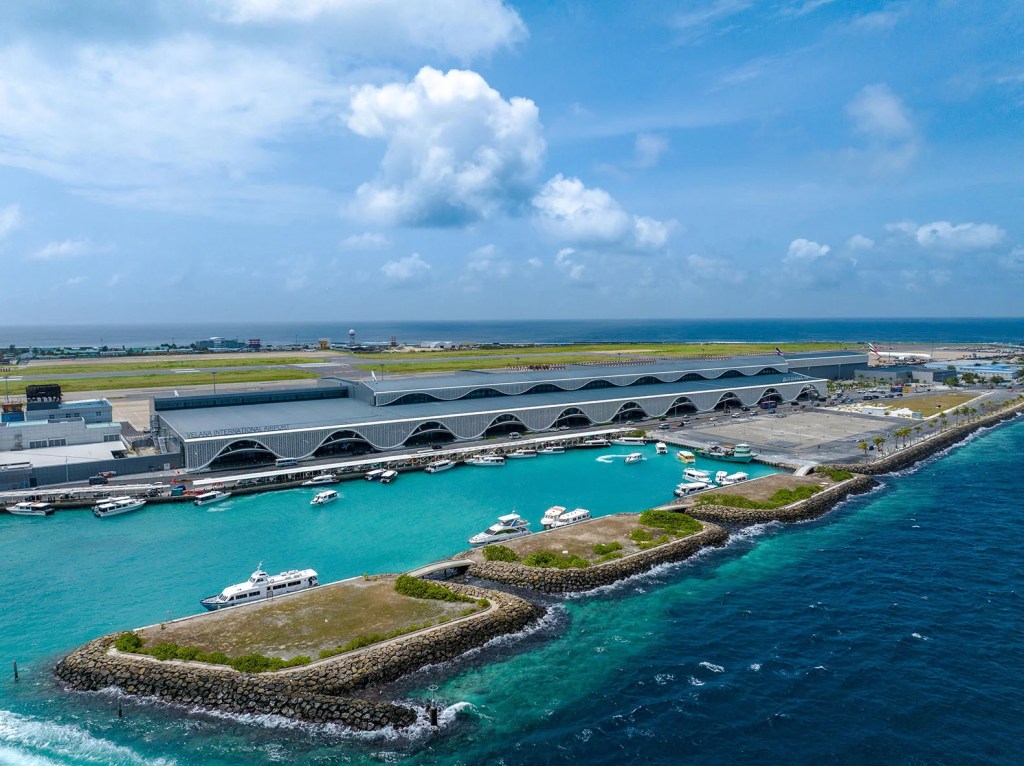
Looking at Velana International Airport Through the Eyes of the Passenger
I recently read an article titled Cracking the Code, written by Wilson Rayfield, executive vice president of aviation at Gresham Smith, an international architecture, engineering and design company. Rayfield is a registered architect with considerable experience in airport planning and design. What interested me most was that he did not look at an airport only as a building made of concrete, glass and steel. He looked at the complete journey and explained how roads, terminal entrances, check in counters, security, immigration, signs, seating, toilets, shops, departure gates and baggage collection all affect the way passengers think, feel and behave.
Having worked in Maldivian aviation since 1979 and seen Hulhule Airport grow into what is now Velana International Airport, I could not help comparing Rayfield’s observations with what I have personally seen over the years. His main point, as I understood it, is that a good passenger experience does not come from one beautiful terminal, one expensive facility or one new piece of technology. It comes from all parts of the journey working together so well that the passenger always knows where to go and what will happen next. I believe this is especially important at VIA because our passengers do not come and go only by road. They arrive and leave by international aircraft, domestic aircraft, seaplanes, resort speedboats, public ferries, buses, taxis and private vehicles.
Our focus should therefore be to provide an end to end seamless passenger experience. In simple words, this means making the whole journey easy from the moment a passenger begins approaching VIA until he safely joins the next aircraft, boat or vehicle. It also means taking care of the journey in the opposite direction, from the moment the passenger arrives from a resort or an island until he reaches the correct international departure gate. The passenger should not be left to find the connections between these different services by himself.
An Airport Where Air, Sea and Land Transport Meet
VIA is different from most international airports because it is not the final destination for many of the people who arrive there. A tourist may land on an international flight after travelling for ten or twelve hours, but the journey may still be far from over. After clearing immigration, collecting baggage and passing through customs, the tourist may have to meet a resort representative, check in again and continue by seaplane, domestic aircraft or speedboat. Depending on the location of the resort and the time of arrival, the passenger may also have to wait several hours before the next part of the journey begins.
A Maldivian passenger may face the same journey in the opposite direction. He may leave his island by ferry, speedboat, domestic aircraft or seaplane, arrive at VIA and continue on an international flight. Another passenger may travel from Male’ by ferry, bus or taxi, while someone coming from Hulhumale may arrive by road. This means that the airport experience may begin at a boat jetty, ferry terminal, bus stop or road long before the passenger enters the main terminal.
The new international terminal is a major achievement for the Maldives and gives us more space, better facilities, modern check in arrangements and aerobridges. However, the passenger does not judge an airport only by what he sees inside the main terminal building. He judges the complete journey, including how he reaches the terminal, how he moves through it and how easily he finds the next form of transport after leaving it. A beautiful terminal cannot by itself provide a seamless journey if the passenger becomes confused between the arrival hall and the seaplane counter, domestic terminal, resort boat, ferry, bus or taxi.
We should therefore think of VIA as one large transport system rather than as several separate terminals and transport areas. The international terminal, domestic terminal, seaplane terminal, harbour, jetties, roads, bus stops and taxi areas should all be connected in a way that is clear to an ordinary passenger. The important question is not only whether each part works properly by itself. The more important question is whether the passenger can move easily from one part to the next without becoming lost, worried or tired.
The Passenger Sees One Journey, Not Many Organizations
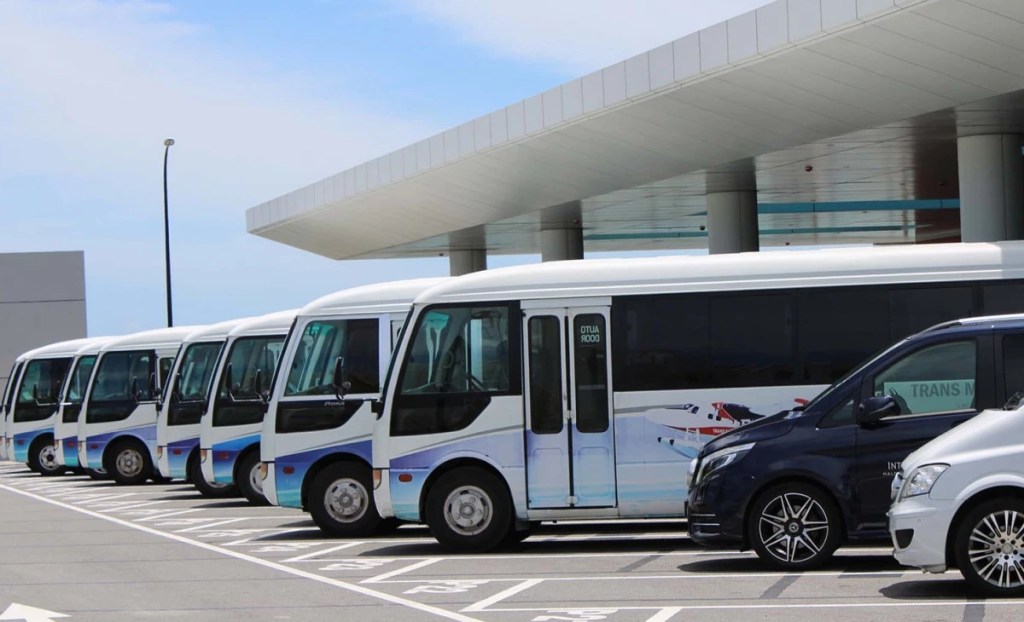
Many organizations are involved in handling passengers at VIA. These include the airport operator, international and domestic airlines, seaplane operators, immigration, customs, security authorities, resorts, ground handlers, boat operators and road transport providers. Each organization has its own responsibility, staff, procedures and area of operation, but the passenger does not normally understand or care about these divisions. To him, they are all parts of one journey through VIA.
As an example, an arriving tourist may leave the international aircraft, pass through immigration, collect baggage, clear customs, find a resort representative, check in for a seaplane, hand over the baggage again, board a transfer bus, reach the seaplane terminal and wait for the onward flight. Many different organizations may be involved, but the tourist sees it as one continuous arrival experience. If one part goes wrong, he is unlikely to separate the good organizations from the bad one. He will simply say that his experience at VIA was not good.
This is why providing a seamless journey requires everyone to work together. It is not enough for one organization to say that its own responsibility ended when the passenger left its counter or area. The passenger must be safely and clearly connected to the next part of the journey. Information about flights, baggage, transfers and delays should also be shared so that the passenger does not receive different answers from different organizations.
If an international flight arrives late, the seaplane operator, domestic airline, resort and boat operator should know about it. If weather delays a seaplane or rough seas affect a boat, the passenger and the international airline may need to know. The complete journey can work smoothly only when the organizations involved exchange information and understand how a problem in one area will affect the next area.
The Passenger Must Always Know What Happens Next
Passengers are not all the same. Some travel every week and understand airport procedures very well, while others may be travelling by air for the first time. Some speak English well, while others may have difficulty understanding our signs and announcements. Some are young and able to walk long distances, while others may be elderly, tired, travelling with small children or in need of special assistance.
Even an experienced international traveller may never have used a seaplane or a resort speedboat. They may not understand why the exact seaplane departure time is not always available or why passengers and baggage sometimes travel separately to the seaplane terminal. What appears normal to us may be completely unfamiliar to the passenger. We should therefore never assume that a person who has travelled through large international airports will automatically understand the system at VIA.
What every passenger wants is actually very simple. He wants to know where he is, where he must go next, what will happen to his baggage and whether his journey is going according to plan. When these questions are answered, the passenger normally remains calm. When they are not answered, he starts checking signs repeatedly, following other people, joining the wrong queue or asking several staff members the same question.
Anyone who has stood outside the international arrival hall during a busy period will have seen tourists searching among many resort representatives and name boards. Most of them know the name of their resort, but they may not know the seaplane company, domestic airline or boat operator providing the transfer. The information we provide should therefore begin with what the passenger knows, which is normally the name of the resort or island he wants to reach.
Resort representatives play an important part in this process. Finding a representative holding the resort name immediately gives a tired passenger some confidence that he is in the right place and that someone knows what should happen next. However, there should also be a clear place to seek help when the representative is delayed or cannot be found. No visitor should be left standing outside the arrival hall wondering whether someone has forgotten him.
Clear Signs Must Connect the Whole Journey
Rayfield gives great importance to the places where passengers must make decisions, such as choosing between two concourses or confirming the departure gate. VIA has many more of these decision points because passengers may have to choose between a seaplane, domestic flight, resort speedboat, public ferry, bus, taxi, Male’ or Hulhumale. To a first time visitor, even the names Male’, Hulhumale and Hulhule can be confusing.
Information must be given before the passenger reaches the point where he must turn or make a choice. If a sign is placed after the junction, it has come too late. There should also be another sign after the passenger has turned to confirm that he is still going in the right direction. This simple confirmation can remove much of the passenger’s worry.
Signs should use simple words, clear arrows and symbols that people from different countries can understand. They should not be hidden behind advertising boards, counters, parked vehicles or groups of people. We must also avoid placing so many signs and advertisements together that the passenger cannot see the message he actually needs. Too much information can be almost as confusing as having no information.
The same clear guidance should continue outside the terminal. A passenger arriving by ferry must know how to reach the international or domestic terminal, while a person leaving the arrival hall must be able to find the seaplane transfer, resort boat, airport ferry, bus or taxi without asking several people. The signs inside and outside should follow the same names, colours and symbols so that the passenger does not feel that one information system has ended and another has begun.
When passengers repeatedly stop at the same place, enter the wrong queue or walk towards the wrong terminal, we should not immediately blame them. If the same mistake is made by many people, there is probably something wrong with the sign, the layout or the information. Frontline staff often know exactly where these problems occur because they answer the same questions every day. Their observations should be used whenever passenger routes and signs are reviewed.
The Seaplane and Boat Connections Need Special Attention
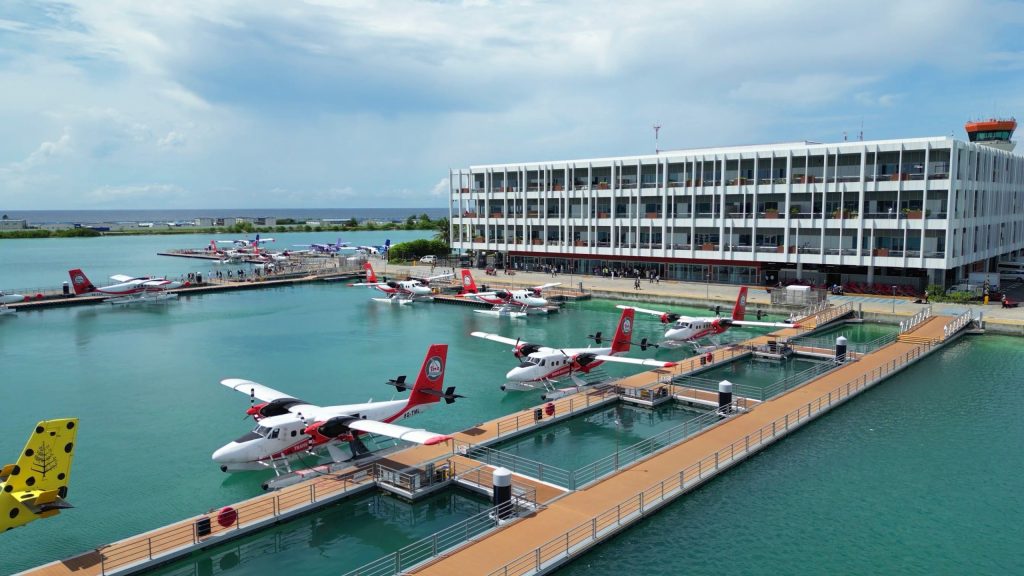
The seaplane journey is one of the most memorable parts of visiting the Maldives, but it can also cause uncertainty. After clearing immigration and customs, the passenger normally checks in for the seaplane and hands over the baggage. The passenger may then travel by bus or another vehicle to the seaplane terminal while the baggage is transported separately. Unless this is properly explained, the passenger may worry about where the baggage is going and whether it will reach the correct resort.
Seaplane departure times can also change because of weather, daylight, aircraft routing and operational requirements. We may understand why an exact time cannot always be given, but the passenger may not. An unexplained wait feels much longer than a wait that is properly explained. Even when the exact departure time is not known, regular updates will assure the passenger that he has not been forgotten.
The passenger should be able to see the resort name, the status of the transfer and the place from which boarding will begin. This information should be shown visually as well as announced because some passengers may not understand the announcement or recognize the way a resort name is pronounced. Lounges and comfortable waiting areas are useful, but comfort alone cannot remove uncertainty. The passenger still needs to know what is happening and what he should do next.
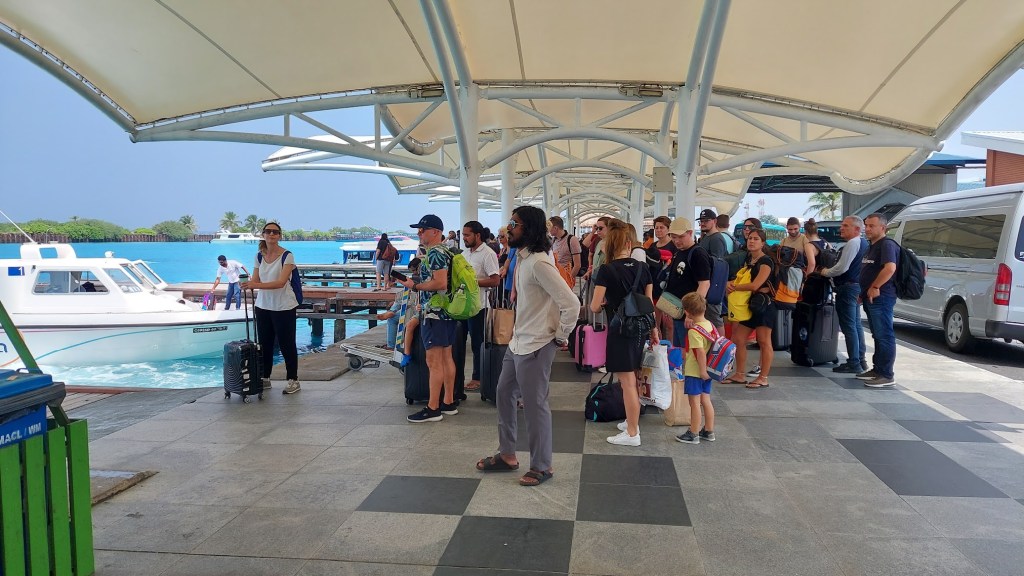
Boat passengers have different needs but the same need for clear information. Several speedboats may be waiting near the airport, and they may look almost the same to a first time visitor. The passenger must be guided to the correct jetty and vessel, and he should be assured that his baggage is also going to the correct destination.
Boarding a boat can be difficult for an elderly passenger, a small child or a person who has never travelled by sea. The boat may be moving, and the height between the jetty and vessel may change with the waves and loading. Rain, wind, darkness and wet surfaces can make it more difficult. Safe walkways, good lighting, handrails, non slip surfaces and proper help from staff are therefore essential parts of the passenger journey and not merely small matters at the edge of the airport.
Passengers waiting for boats also need shelter from heavy rain and strong sunlight, as well as seats, toilets and information about delays. A person who has completed a long international flight should not have to stand near a jetty without knowing when the boat will leave. The seamless journey we want to provide must continue right up to the moment that passenger and baggage are safely on board the correct boat.
Security, Immigration, Baggage and the Gate Must Work Together
Security screening is one of the most stressful parts of any airport journey because passengers may not know how long the queue will take or what they must remove from their bags. At VIA, a departing passenger may reach security after travelling for several hours by seaplane, domestic aircraft or speedboat. He may already be tired and worried about missing the international flight.
Instructions should be given before the passenger reaches the screening point so that he has time to prepare. There should be enough space to remove the required items without blocking the queue, and enough room after screening to collect bags and personal belongings calmly. When people are hurried, they are more likely to leave something behind or hold up those waiting behind them.
Security staff are also human beings. They may have to repeat the same instruction hundreds of times while remaining alert and dealing with passengers who speak different languages. A clear and properly arranged screening area will make the process easier for both the passenger and the staff member.
On arrival, immigration, baggage collection and customs must also be viewed as parts of the same process. A delay in any of these areas can affect the passenger’s seaplane, domestic aircraft or boat connection. The passenger becomes particularly worried when other people collect their baggage and leave while his bag has still not appeared. If baggage is delayed, a short and honest explanation can prevent unnecessary worry and repeated questions.
On departure, finding the gate is another very important moment. I have seen many passengers go directly to the gate even when they have plenty of time. They want to see the gate number, confirm the flight and sometimes see the aircraft itself. Once they know where the gate is, they feel more relaxed and may then visit a shop, restaurant or lounge.
This means that clear gate information is not only a passenger service matter. It can also benefit the shops and restaurants because a worried passenger is unlikely to move far from the gate or spend much time elsewhere. If the gate changes, the new information must be clearly displayed and properly announced so that passengers do not have to depend on rumours or blindly follow a crowd.
Congestion Must Be Managed Across the Whole Airport
The new terminal has greatly increased the space and passenger handling capacity at VIA, but congestion does not disappear simply because the main terminal becomes larger. Several international aircraft may arrive close together and release hundreds of passengers into immigration and baggage collection. After leaving the arrival hall, these passengers separate into groups going to seaplanes, domestic flights, speedboats, ferries, buses and taxis.
If the international terminal processes them quickly, the crowd may simply move to the resort counters, seaplane check in, transfer buses, boat jetties or taxi queue. We must therefore look at the capacity of the complete passenger journey rather than only at the capacity of the terminal. Every connecting point must be able to receive the passengers arriving from the previous point.
The same applies to the roads and vehicle areas. Drivers naturally want to stop close to the terminal entrance, while passengers need time to remove baggage and sometimes say goodbye to family members. If the area is not planned for this normal behaviour, vehicles will stop longer than expected or stop in the wrong place, and congestion will quickly develop.
Bus passengers need clear information about whether the bus is going to Male’, Hulhumale Phase 1 or Hulhumale Phase 2. They may also have large suitcases that require more room and slow down boarding. Taxi queues should be easy to find and organized so that passengers understand where to wait and which vehicle to use.
A space that is unusually empty can also confuse a passenger. If he enters a large area where counters are closed and no staff are visible, he may think he has come to the wrong place. Clear signs and visible assistance are therefore important during quiet periods as well as during the busiest times.
Basic Comfort Is Part of the Seamless Journey
We naturally look at the size, beauty and technology of a new terminal, but passengers often judge an airport through much simpler things. A clean toilet, a comfortable seat, good lighting, a reasonable temperature and a quiet place to wait may matter more to a tired passenger than an expensive architectural feature. If these basic facilities fail, they can spoil the passenger’s opinion of the whole airport.
This is especially important at VIA because many passengers are not simply beginning or ending an ordinary flight. They may have already travelled by boat, seaplane or domestic aircraft, or they may still have another long transfer ahead of them. Clean toilets should be easy to find and suitable for families, elderly passengers and people with disabilities. Their condition gives the passenger an immediate impression of how well the airport is being managed.
Seating should be provided according to how people actually behave. Passengers often avoid sitting directly beside strangers and may place bags on empty seats when no baggage space is available. Families want to sit together, elderly people need seats that are easy to get in and out of, and passengers waiting several hours need more comfort than those waiting only a few minutes. The useful number of seats may therefore be very different from the number shown on a plan.
Lighting is particularly important around jetties, steps, walkways and road-crossing points. Flooring must remain safe when wet and should allow passengers to move wheeled bags without difficulty. Sheltered walkways and properly ventilated waiting areas are also important because passengers often move between an air conditioned terminal and the heat, humidity and heavy rain outside.
Noise from aircraft, seaplanes, boats, buses, baggage equipment, passengers and announcements can make important information difficult to understand. Increasing the announcement volume may only add more noise. Important information should also be clearly displayed so that passengers with hearing difficulties or limited knowledge of the language can understand what is happening.
Technology Must Support Human Beings
Modern technology can make the passenger journey faster and easier. Self service check in, electronic gates, flight information displays and connected baggage systems can reduce queues and improve the movement of people through the terminal. However, technology is useful only when an ordinary passenger can understand it.
A frequent traveller may use a self service machine without difficulty, while an elderly or first time traveller may not know where to begin. If the machine rejects a passport or booking, the reason should be clear and a staff member should be nearby to help. A passenger should never feel trapped in front of a machine while a queue grows behind him.
At VIA, technology could also help connect information about international flights, domestic flights, seaplanes, boats and road transport. The passenger should not have to ask several organizations separately to understand the next part of the journey. One clear source of information would help passengers as well as the staff who repeatedly answer the same questions.
Technology should never completely replace personal assistance. A confused visitor who receives calm and friendly help will remember that as part of Maldivian hospitality. Our identity should be seen not only in the design, colours and materials used in the terminal but also in the way we treat people who are tired, lost or worried.
Delays Are the Real Test of a Seamless Journey
An airport may appear to work very well when everything is running on time. The real test comes when an international flight is delayed, bad weather affects seaplanes, rough seas delay boats or several aircraft arrive together. This is when passengers most need the different organizations at VIA to work as one system.
During a delay, passengers need clear, honest and regular information. When nothing is said, people begin asking one another and rumours quickly spread. The airport, airline, resort and transfer operator should provide the same basic information so that passengers do not receive a different answer from every person they ask.
A delay may be unavoidable, but leaving passengers without information is avoidable. Most people accept a delay more calmly when they know why it has happened and what is likely to happen next. Even when no exact time can be given, they should be told that the situation is being followed and that another update will be provided.
Passengers waiting for long periods also need seats, toilets, water, food, charging points and access to assistance. Families with children, elderly passengers and people with medical or mobility needs may require special attention. A disruption should not cause the passenger to disappear between the responsibilities of different organizations.
Our Focus Must Be the Complete Passenger Journey
Rayfield’s observations made me look at VIA in a slightly different way. Our new international terminal may be modern and impressive, but the passenger will judge VIA by the complete journey and not only by the terminal building. That journey may begin or end in an international aircraft, domestic aircraft, seaplane, speedboat, ferry, bus or taxi.
For the passenger, all these parts belong to one airport experience. He does not care which organization controls the terminal, boat, bus, baggage or transfer counter. He wants to know where to go, what is happening to his baggage, how long he may have to wait and whether he will reach the next part of his journey safely and on time.
Having seen different versions of VIA during my aviation career, I believe our main focus should now be to provide an end to end seamless passenger experience at VIA. This means looking beyond each individual terminal, counter or transport service and seeing the entire journey through the eyes of the passenger. It means removing the gaps between international flights, domestic flights, seaplanes, boats and road transport.
The real success of VIA should not be measured only by the beauty and size of the new terminal or by the number of passengers it can handle. It should also be measured by how easily an ordinary passenger can move from one form of transport to another without becoming lost, confused or worried.
If the passenger can complete the entire journey with clear information, safe connections, reasonable comfort and help whenever it is needed, then we will have achieved something more important than building a modern terminal. We will have created a truly seamless gateway to the Maldives.
 Ibrahim Khalid
Leave a comment