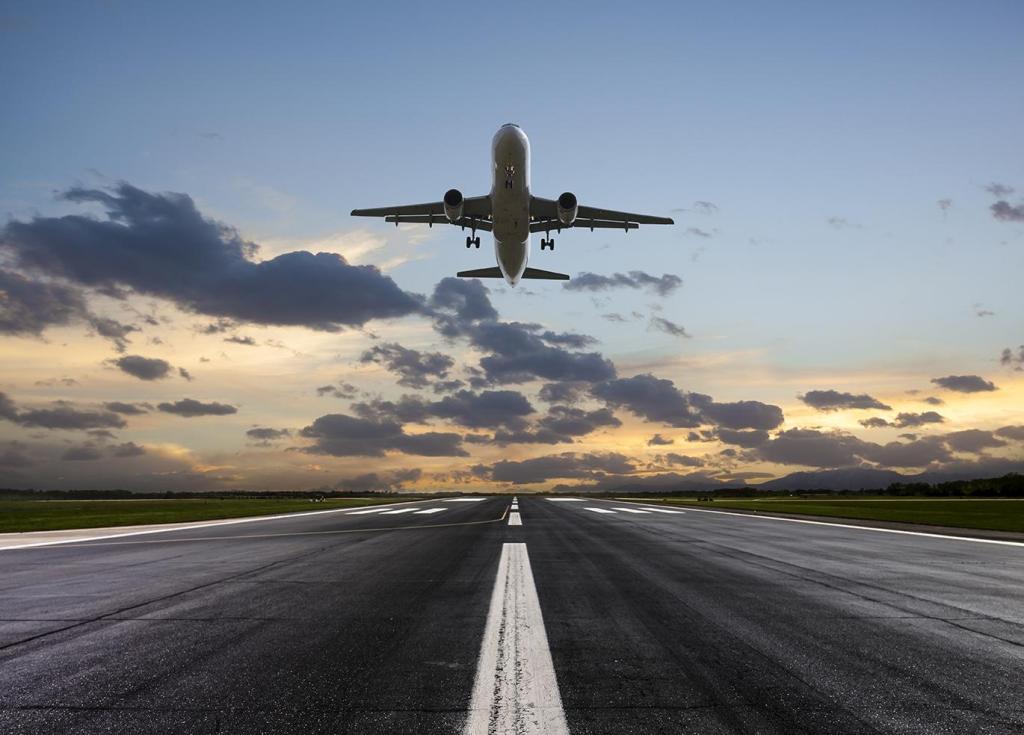
During much of my working life in aviation, a go around by a landing aircraft was considered quite a big issue. When an aircraft on final approach suddenly climbed away instead of landing, questions would soon follow. What happened? Why did the aircraft go around? Was the runway occupied? Was the spacing between aircraft too close? Quite often, attention would turn to the air traffic controller who happened to be on duty at the time. In simple terms, the controller could suddenly find himself in ‘hot soup’.
Looking back now, I sometimes wonder whether we were looking at the go around in the wrong way. Of course, there were occasions when a go around resulted from poor judgement, incorrect spacing or some other operational problem, and these needed to be looked into. But the fact that an aircraft went around did not by itself mean that somebody had done something wrong. Sometimes it simply meant that the safest decision available at that moment had been taken.
A Go-Around Is There for a Reason
A go around is nothing more than deciding not to continue a landing. The pilots apply power, climb away and normally come back for another approach. It is something pilots are trained to do and something air traffic controllers are expected to handle. Yet somehow, over the years, a successful landing came to be seen as the desired result of every approach, while a go around sometimes carried the feeling that something had gone wrong.
There are many perfectly good reasons why an aircraft may go around. It may be too high or too fast. It may not be properly lined up with the runway. The wind may change suddenly, visibility may reduce, another aircraft may take longer than expected to leave the runway, or the pilots may simply not be happy with the way the approach is developing. In any of these situations, there is little sense in forcing the landing just because the aircraft is already close to the runway.
This is particularly important when an approach becomes unstable. In simple terms, as an aircraft gets closer to the runway, it should be at about the correct speed and height, properly lined up and descending normally, with the aircraft correctly prepared for landing. If the pilots are still making large corrections, trying to lose excessive height or speed, or struggling to get properly lined up close to the ground, the approach may no longer be a good one.
The temptation, of course, is to think, ‘I can still make it’. Quite often the pilot does make it and the aircraft lands without anything happening. But that can itself become a problem. When we get away with something several times, we can slowly begin to believe that it is safe. The fact that nothing happened does not always mean that what we did was safe. Sometimes it simply means that we were lucky enough to have some safety margin left.
This is why the present day safety message about unstable approaches is so important. If the approach is not right, going around should be accepted as a normal option. There is always another opportunity to make a better approach.
Air Traffic Control Must Also Be Ready
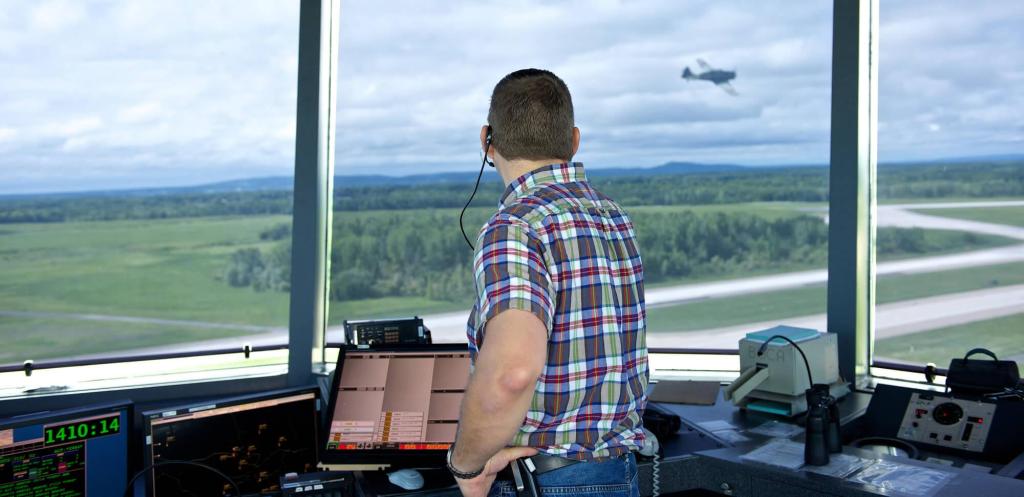
There is an equally important lesson here for air traffic controllers. A controller should never assume that an aircraft on final approach is definitely going to land. Until it has actually landed and the situation is safe, there is always a possibility of a go around.
Those of us who have worked in Air Traffic Control know how carefully a controller can build an arrival sequence, particularly during busy periods. Aircraft are spaced with the expectation that the one ahead will land and leave the runway in time for the next one. Most of the time it works exactly as planned. But aviation does not always follow the plan.
The aircraft ahead may take a little longer to vacate. A pilot may miss the expected runway exit. A vehicle may take longer to clear. Weather may suddenly change. The following aircraft may become unstable or encounter windshear. Within seconds, a perfectly good traffic sequence can change. At that point, the important thing is not to save the sequence. The important thing is to keep the operation safe. If that requires an aircraft to go around, then so be it. The aircraft can come back and land a few minutes later.
Not Every Go Around Needs Someone to Blame
This does not mean that we should ignore go arounds. They can tell us a great deal about what is happening in an operation. If aircraft are repeatedly going around because the runway is still occupied, for example, we should certainly find out why. Perhaps the spacing is too tight. Perhaps aircraft are taking longer to vacate than expected. Perhaps the runway exits are not suitable, or perhaps procedures need to be changed.
But there is an important difference between asking, ‘What happened here and what can we learn from it’? and immediately asking, ‘Who caused this’?
I believe this is one of the important changes that has taken place in aviation safety during my working life. In the past, there was often a tendency to look first for the person responsible. Today, through Safety Management Systems and the idea of Just Culture, we try to understand the circumstances surrounding an occurrence before deciding whether anyone was actually at fault.
That does not mean people should never be held responsible. If somebody deliberately breaks a rule, acts recklessly or repeatedly ignores procedures, that is a different matter. But an honest mistake or a sensible operational decision should not automatically lead to punishment.
This is particularly important with go arounds. If every go around results in the controller being called in and questioned as though something serious has gone wrong, controllers may gradually begin to fear go arounds. That is not a good safety culture. Equally, if pilots believe that going around will lead to criticism, explanations, inconvenience or questions from management, there is a danger that they may try harder than they should to complete a landing. Neither the pilot nor the controller should be placed under that sort of pressure.
Perhaps We Worried About the Wrong Aircraft
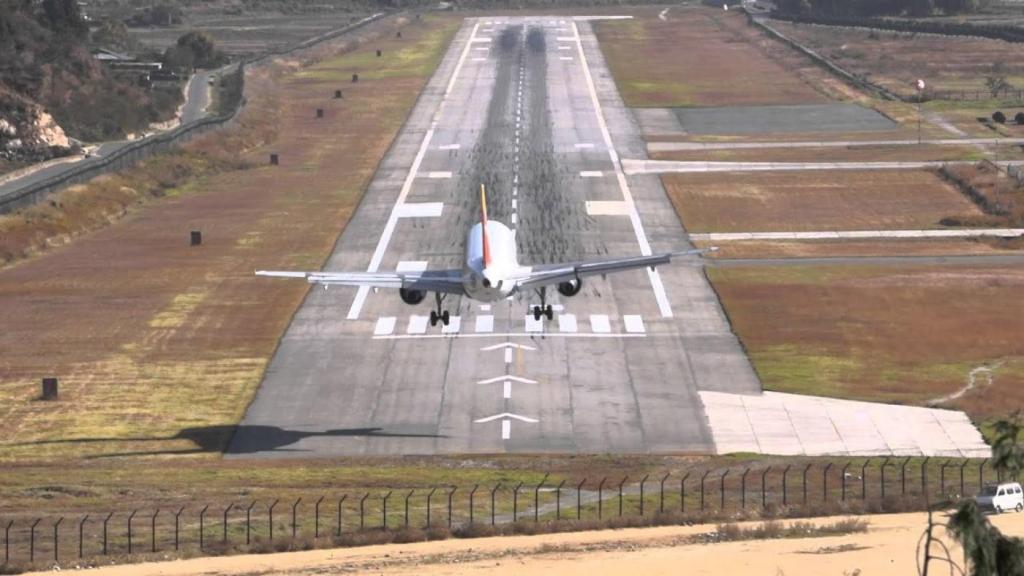
There is another side to this which I now find particularly interesting. We used to pay a lot of attention to the aircraft that went around. Perhaps sometimes we should have paid more attention to the aircraft that continued and landed.
Imagine two aircraft making similar unstable approaches. The first pilot decides to continue and manages to land without anything happening. Everyone sees a normal landing and thinks nothing more about it. The second pilot decides that the approach is not good enough and goes around. Suddenly everybody notices and wants to know what happened. Yet from a safety point of view, the pilot who went around may have made the better decision.
This is why the number of go arounds alone tells us very little about how safe an operation is. An airport having very few go arounds does not necessarily mean that everything is being done perfectly. The real question is whether pilots are prepared to go around when they should, and whether controllers are prepared to handle it when they do.
Aviation has taught us over the years that accidents rarely come from one single dramatic mistake. Often there is a chain of small things which gradually reduces the safety margin. An unstable approach may be one of those situations. The aircraft is a little high, perhaps a little fast, the landing becomes rushed, touchdown occurs further along the runway than expected and suddenly there is much less runway remaining than the crew had planned. Breaking that chain early by going around is far better than finding out too late that the landing should never have been attempted.
A Different Way of Looking at It
After spending so many years in aviation, my own thinking about go arounds has certainly changed. I no longer see the go around itself as the problem. I see it as something that deserves to be understood. If there was a problem with spacing of aircraft by air traffic control, let us learn from it. If the approach became unstable, let us understand why. If the runway remained occupied longer than expected, let us see whether anything can be improved. But if the pilot simply decided that the safest course of action was to go around, then we should respect that decision.
A go around may inconvenience passengers and it may cost a little extra fuel. Air traffic control may have to change the traffic sequence and the flight may arrive several minutes late. These are small matters when compared with the possible consequences of forcing a landing that is not going well.
Perhaps the biggest change needed is simply in the way we think about it. Instead of seeing a go around and immediately wondering what went wrong, we should first ask whether the safety system worked exactly as it was supposed to.
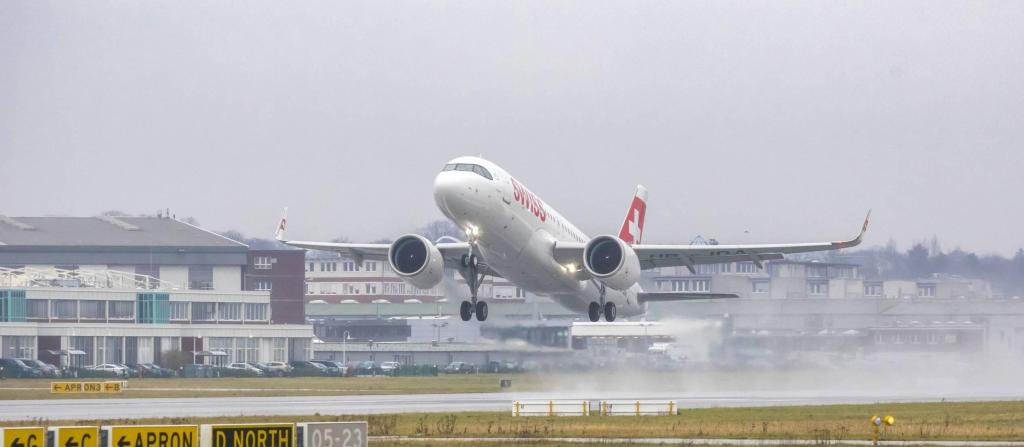
After all, the purpose of an approach is not to make sure the aircraft lands on the first attempt. The purpose is to get the aircraft safely on the ground. If that means climbing away and coming back for another try, there should be nothing unusual or embarrassing about it. Sometimes, the safest landing is simply the one you decide not to attempt.
 Ibrahim Khalid
Leave a comment