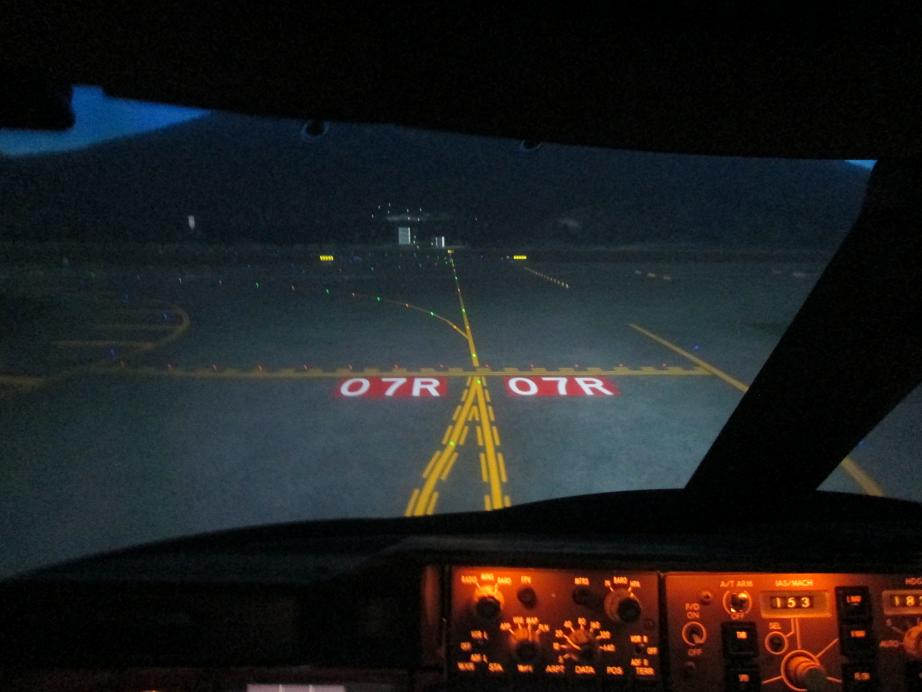
On 2 June 2025, a large passenger aircraft was taxiing towards a runway for departureat a major Asian airport. Two very experienced pilots were in the cockpit, an experienced air traffic controller was in the tower, the red stop bar was protecting the runway and an advanced ground-surveillance system was watching the aircraft. In spite of all these protections, the aircraft crossed the illuminated red stop bar and entered the protected runway area without permission. Another passenger aircraft was approaching the same runway to land and had to be instructed to go around. Fortunately, no one was injured and no aircraft was damaged.
The final investigation report was released on 21 August 2026. It explains what the pilots and controller did during those few critical minutes. However, to me, the more important question is not simply who did what or who failed to do something. We need to understand why several parts of a well-protected system failed at the same time and allowed an experienced flight crew to cross an illuminated stop bar.
How the Story Developed
The departing aircraft was being operated by a captain and a first officer who both had many years of flying experience. The captain was controlling the aircraft, while the first officer was handling the radio and monitoring the operation. After changing to the tower frequency, the crew informed the runway controller that they were ready for departure. The controller instructed them to hold at the runway holding position, and the first officer correctly repeated that instruction.
Another aircraft had already been cleared to take off ahead of them. At the same time, a different aircraft was approaching the same runway to land. The departing crew saw the aircraft ahead take off, but they did not see the approaching aircraft. They had only recently changed to the tower frequency and had not heard the earlier radio messages concerning that arrival. Therefore, the picture they had in the cockpit was not the same as the actual traffic picture known to the controller.
After the crew repeated the instruction to hold, there was about a lapse of over a minute of silence on the radio. During this time, the aircraft continued slowly towards the runway holding position. The pilots had seen an aircraft depart and had not seen any aircraft land. It was therefore quite easy for them to assume that the runway was being used only for departures and that they would be the next aircraft allowed to take off.
As they approached the holding position, both pilots saw the illuminated red stop bar across the taxiway. They knew that the red lights meant that they had to stop and must not enter the protected runway area. However, when the aircraft moved closer, the red lights became difficult to see and appeared to have gone out. The investigation found that the stop bar had remained illuminated and that there was no fault with it.
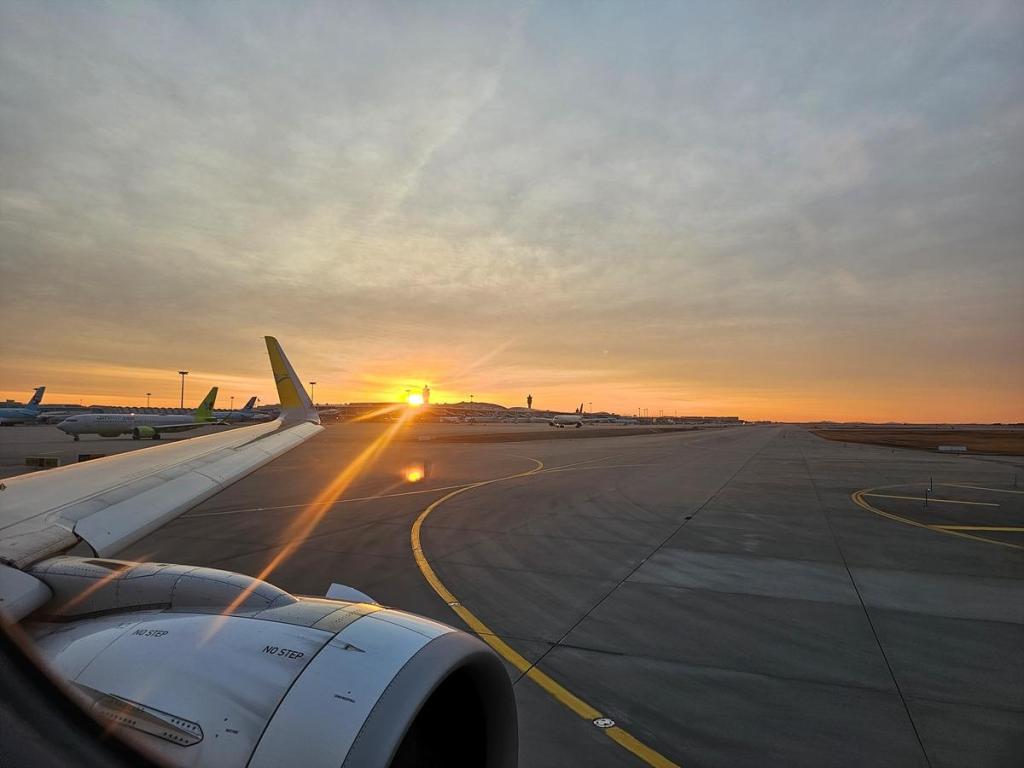
The sun was setting behind and slightly to the side of the aircraft. The strong sunlight and reflection may have made the red lights less visible from the cockpit. As the pilots were already expecting to receive a takeoff clearance, the apparent disappearance of the lights seemed to fit what they believed was about to happen. In their minds, the stop bar had been switched off because their turn for departure had arrived.
At almost that same moment, the controller gave the approaching aircraft permission to land. The radio message included the arriving aircraft’s callsign, the wind, the runway number and the words ‘cleared to land’. The first officer of the departing aircraft immediately replied as if the message had been for them. He used his own callsign and read back a takeoff clearance. The captain then increased engine power and continued towards the runway.
The controller heard the incorrect readback and immediately tried to correct it. However, the controller mentioned the callsigns of both the arriving and departing aircraft in the same radio message. The arriving crew heard its callsign and became unsure whether the new message was also for them. The departing crew also remained uncertain, and their aircraft continued moving towards the stop bar.
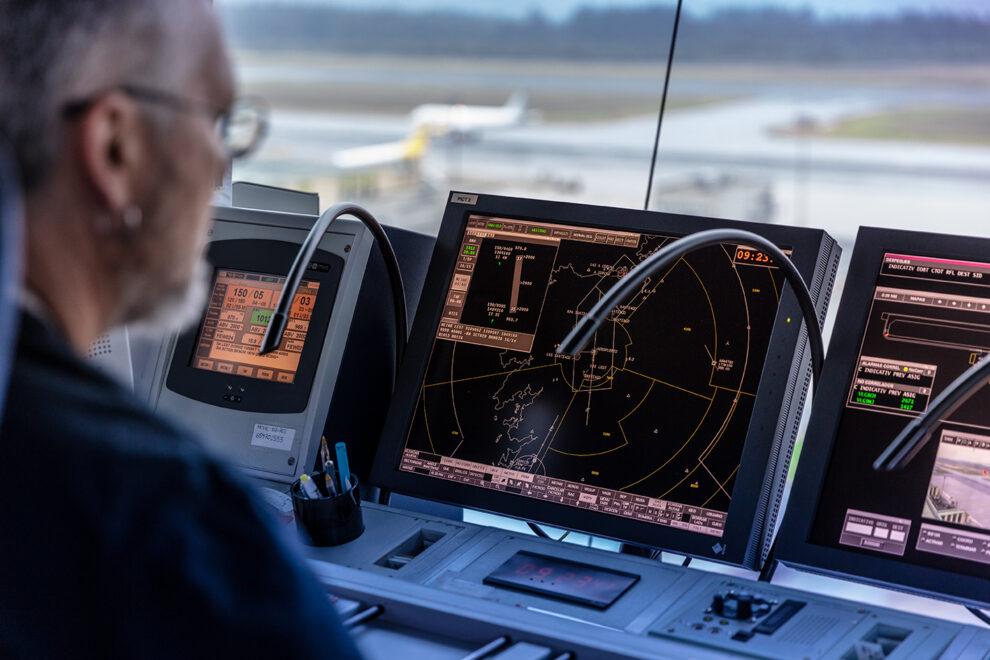
The controller again told the departing aircraft to hold its position. The crew asked whether the message was for them, but the aircraft was still moving and had reached the holding position. It crossed the illuminated red stop bar and entered the protected runway area. The ground surveillance system detected the crossing and sounded a runway incursion alarm in the tower. The alarm warned the controller, but its loud sound also made a radio transmission difficult to hear.
The controller then had to manage several things at once. The departing aircraft was inside the area that needed to be kept free while another aircraft was approaching to land and the aircraft that had departed earlier was still climbing away. After ensuring that the go around path would remain clear, the controller instructed the approaching aircraft, which was about three nautical miles from the runway, to go around. The arriving crew followed the instruction and climbed away safely.
The taxiing aircraft continued slowing down inside the protected area. Its crew then asked whether they were cleared for takeoff. The controller clearly told them that they were not cleared and that their instruction had been to hold. The pilots stopped the aircraft, and it was later moved out of the protected area. The incident was over, but it had exposed weaknesses that should not be dismissed merely as pilot error.
Why the Crew Believed It Was Their Takeoff Clearance
It is very easy to read the report afterwards and say that the pilots should have heard the other callsign and the words ‘cleared to land’. From the comfort of an executive chair in an office, the mistake appears obvious. However, the pilots were not reading a written transcript. They were inside a moving aircraft, close to a runway, expecting a takeoff clearance and looking at lights that appeared to change at exactly the same time.
The crew had already formed a picture of what was happening. They had seen one aircraft depart, had not seen any aircraft land or about to land and believed they were next for takeoff. When they heard the runway number, the wind and the word ‘cleared’, they fitted those words into the picture already in their minds. They heard what they expected to hear rather than what was actually said.
The same expectation may have affected what they saw. The pilots expected the red stop bar to be switched off before they entered the runway. When sunlight made the lights less visible, they accepted that as confirmation that the stop bar had been switched off. The radio message seemed to confirm the lights, and the lights seemed to confirm the radio message. Both pilots therefore became confident in an understanding that was completely wrong.
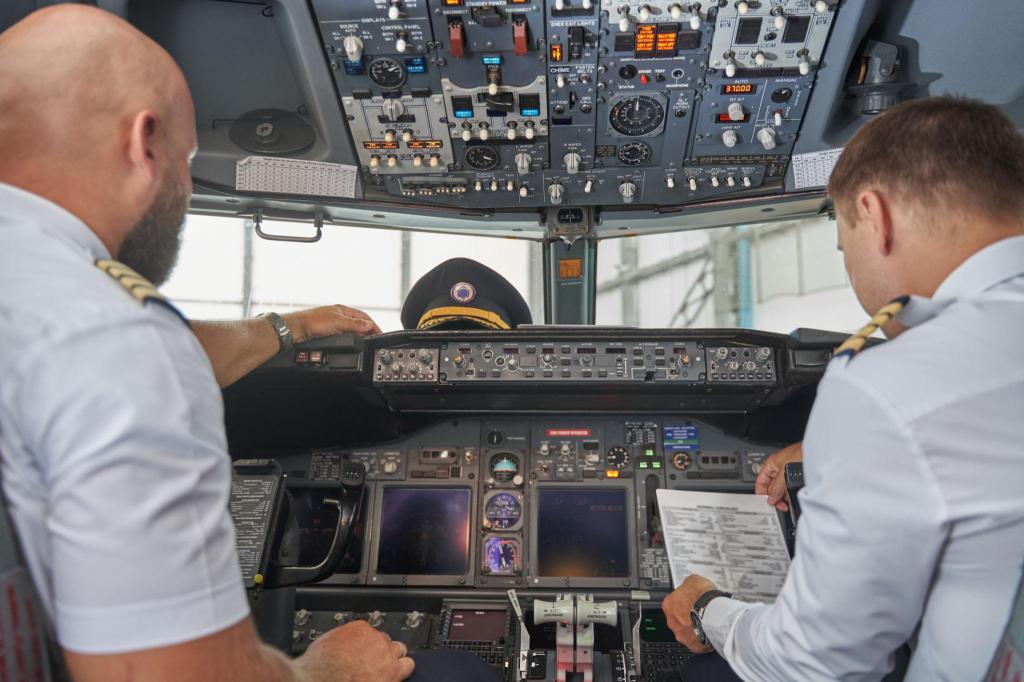
I do not say this to excuse the crew. They had been instructed to hold, and an aircraft must never cross an illuminated red stop bar. When the clearance or the lights became doubtful, the crew should have stopped and asked air traffic control. Nevertheless, simply writing that the crew failed to follow procedures tells us only about the final mistake. It does not tell us why two experienced pilots believed that they were doing the correct thing.
Looking at the Whole System
For me, this is where a safety investigation must go deeper. We must look beyond the last people who touched the controls or spoke on the radio. We need to examine what information they had, what information they did not have and why the situation appeared normal to them until the aircraft had already crossed the stop bar.
The departing crew did not know that an aircraft was approaching to land. They had tuned on to the tower frequency after the approaching aircraft had received an earlier instruction to continue its approach. From their position, the runway appeared to be used only for departures. We should therefore ask whether this incomplete traffic picture helped create their strong expectation of receiving a takeoff clearance.
We must also look closely at the stop bar. The investigation established that it was working, but that should not be the end of the matter. A light can be technically working and still fail to protect the runway if the people who depend on it cannot clearly see it under certain conditions. The real question is whether the stop bar was clear enough when viewed from that cockpit with the setting sun behind the aircraft.
The controller’s correction must also be considered as part of the system. The controller acted quickly, but the use of two callsigns in one message caused more uncertainty. We should ask whether controllers are given enough practical training to deal with an incorrect runway readback using the shortest and clearest possible words. A direct instruction such as ‘Stop immediately’ or ‘Hold position’ addressed to only one aircraft may have been easier to understand.
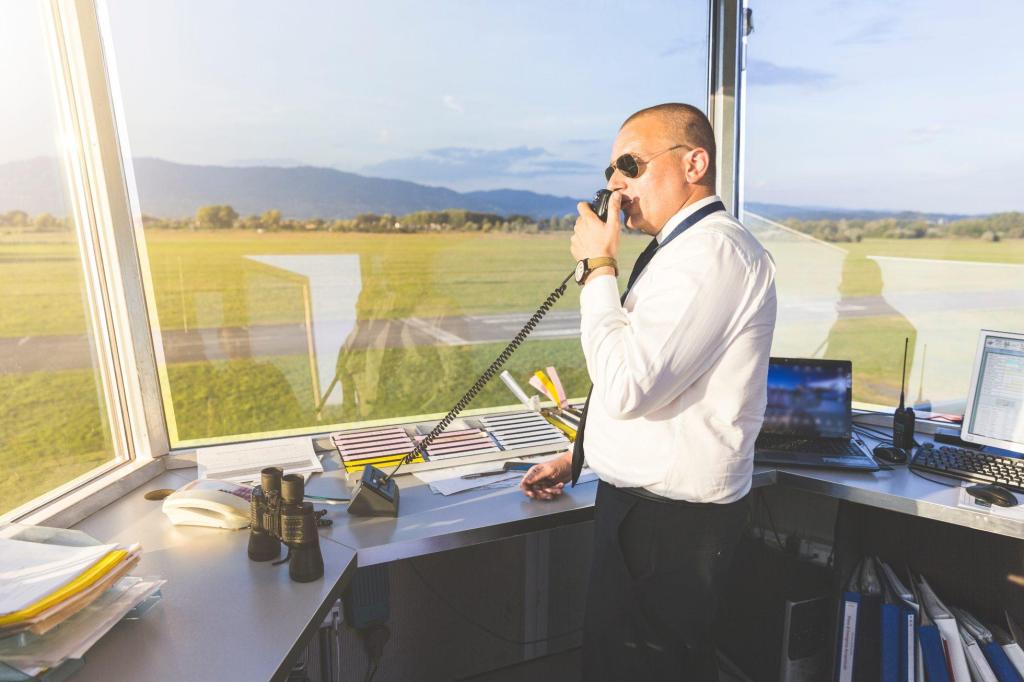
The ground surveillance alarm also needs to be considered. It correctly detected the runway incursion and warned the controller, so it worked as designed. However, the alarm also interfered with a radio transmission during the most critical part of the event. This does not mean that the alarm was faulty or unnecessary. It means that we should examine whether it could warn the controller without making an important radio call harder to hear.
Several Defences Failed Together
There were many protections in place that day. The crew had received an instruction to hold, the clearance had to be correctly heard and repeated, the stop bar had to be switched off, both pilots were expected to check before entering, the controller was watching the aircraft and the surveillance system was protecting the runway. Any one of these defences should have stopped the aircraft before it crossed the holding position. Instead, one after another, they failed to do so.
The crew’s incomplete traffic picture led them to expect a departure clearance. That expectation affected how they understood the landing clearance. Sunlight may have changed the appearance of the stop bar, and the crew took this as further confirmation. Both pilots accepted the same understanding, the controller’s correction introduced another callsign and the alarm interfered with the radio at a critical moment. This was not one isolated mistake. It was a chain of connected weaknesses across a whole system.
Before entering the runway, the crew needed two things. They needed a clear permission addressed to their aircraft, and the red stop bar had to be switched off. Neither had happened, but they believed that both had happened. This tells us that the two checks were not truly independent because the same expectation affected how the crew understood both of them.
What We Should Really Investigate
If we investigate only the actions of the pilots, we may recommend that they listen more carefully, obey the stop bar and ask for clarification. Those are correct lessons, but the crew already knew these rules. But the problem was that, at the time, they did not believe the clearance or the lights were uncertain. Everything they heard and saw appeared to agree with the departure they expected.
A proper investigation should ask whether other crews have experienced difficulty seeing stop bars in strong sunlight. It should examine the lights from the cockpit position and under similar environmental conditions, not merely check their technical records. It should also ask whether an additional or differently positioned visual warning could provide better protection when glare is present.
The investigation should examine how cockpit checks are actually carried out before crossing a runway holding position. It is not enough for a manual to say that both pilots must confirm the clearance. We should know whether each pilot makes an independent check or whether one normally accepts the understanding of the other. Training should include situations where both pilots are drawn into the same wrong expectation and must deliberately stop and question it.
Controller procedures and training should also be examined. We need to know whether there is a clear and well practised phrase to stop an aircraft immediately after a wrong runway readback. Controllers should be trained to use one callsign at a time and give the most urgent instruction first. Any explanation about the earlier clearance can wait until the aircraft has stopped.
The design of the ground surveillance warning should also be reviewed. An alarm that detects the crossing only after the aircraft has entered the protected area is mainly a recovery defence. It would be worthwhile to consider whether the system could warn the controller earlier when an aircraft continues towards an illuminated stop bar without permission. These are questions arising from a systemic view, and they go beyond merely identifying the last person who made a mistake.
Safety Management Must Go Further
After an incident, the easiest action is often to issue another notice reminding people to follow procedures. Such reminders have some value, but they do not necessarily remove the conditions that created the event. The pilots already knew that red meant stop, and the controller already knew that a wrong readback had to be corrected. If knowledge alone had been enough, this incident would not have happened.
A strong safety management system should improve the conditions under which people make decisions. Pilots should be trained to recognize how expectation can affect both hearing and sight. Controllers should practice handling wrong readbacks using very short and clear instructions. Airports should study the visibility of stop bars in sunlight, rain and other difficult conditions. Warning systems should also be tested as part of the complete working environment, including their effect on radio communication.
Airlines, air traffic services and airport operators must examine this type of event together. Each organization controls only one part of the operation, but the danger exists in the connections between them. The pilots depend on the controller, the controller depends on the pilots, and both depend on the airport lighting and surveillance systems. If each organization looks only at the actions of its own staff, the gaps between them will remain open.
Learning Without Blaming
Looking at the whole system does not mean that individuals have no responsibility. Pilots must follow clearances and stop at illuminated stop bars. Controllers must monitor aircraft, correct wrong readbacks and communicate clearly. However, personal responsibility should not be confused with making blame the main result of an investigation.
The pilots and controller were experienced and there was no evidence that anyone deliberately acted unsafely. The pilots acted on an incorrect understanding, while the controller acted quickly to correct the situation and protect the approaching aircraft. The useful lesson is not that experienced people must never make mistakes. But we must know that they will. The system must also expect such mistakes and prevent them from reaching the runway.
A fair safety culture is important because people must be willing to report mistakes and misunderstandings. If they believe every report will be used mainly to blame or punish them, valuable safety information will remain hidden. The same weaknesses will then stay in the system until another incident, perhaps with a far worse ending, exposes them again.
Following this incident, controllers were briefed about runway safety and the danger of using more than one callsign in a single instruction. Runway users were reminded to respond only to instructions addressed to them, ask whenever they were uncertain and never cross an illuminated red stop bar. The aircraft operator also reviewed its runway incursion risks. These were useful actions, but the wider system should continue to be examined so that the deeper conditions behind the occurrence are not missed.
Closing the Holes
The simple lesson from the occurrence is that an illuminated red stop bar means stop. If a clearance is unclear, the aircraft must stop and ask. If the lights are difficult to see, the aircraft must remain outside the protected area until their condition is confirmed. If either pilot has doubt, that doubt must be spoken.
The deeper lesson from the final report released on 21 August 2026 is that the aircraft did not cross the red line because of one action alone. An incomplete traffic picture created an expectation, the expectation affected what the pilots heard, sunlight affected what they saw, both pilots accepted the same belief, the controller’s correction created more uncertainty and the warning alarm affected communication. The approaching aircraft was protected only because the controller recognized the danger and instructed it to go around.
If we investigate only who heard the wrong message, who moved the aircraft and who failed to stop, we will record the obvious actions but learn very little. A meaningful safety investigation must look at the entire operation and find the holes between people, procedures, training, equipment, communication and the working environment. Those are the holes that allowed this event to happen, and those are the holes that must be closed before another aircraft crosses the same red line.


Leave a comment