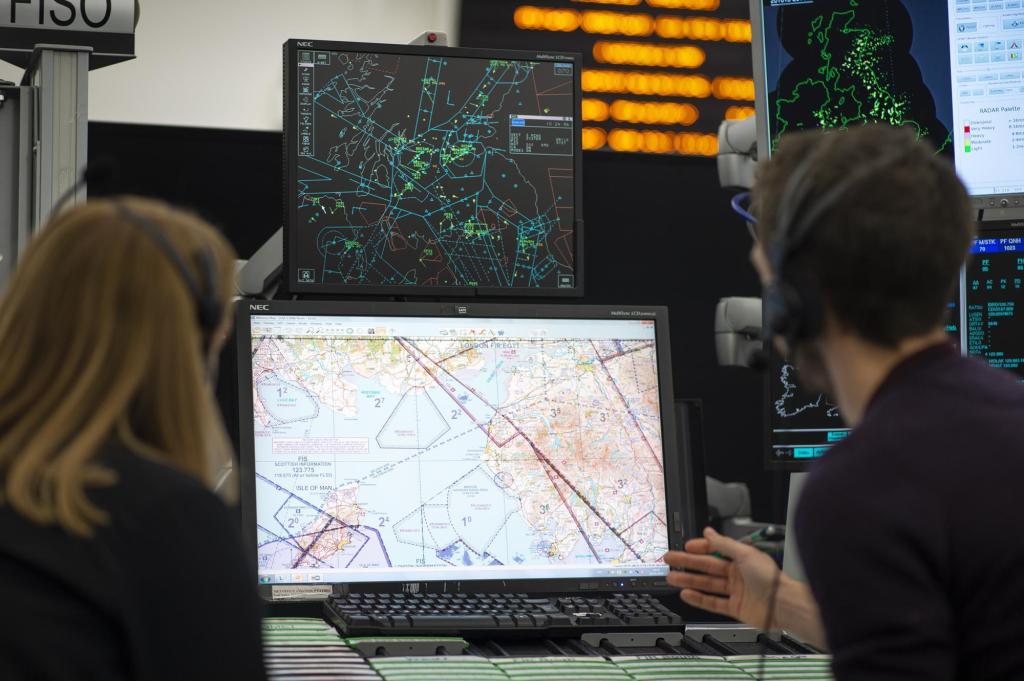
I recently came across the preliminary report issued by NATS about the serious air traffic control system failure that happened in the United Kingdom on 8th September 2026. NATS is the organization that manages much of the air traffic in UK airspace. I also read the statement issued by Airlines UK on 18th September 2026. Airlines UK represents airlines operating in the United Kingdom.
What caught my attention was the type of computer system that failed. It was the flight data processing system, which is also an important part of our air traffic control system in the Maldives. This made me think about what could happen if we experienced a similar failure here. I felt that the UK incident should be studied carefully because it contains useful lessons for us.
What is a flight data processing system?
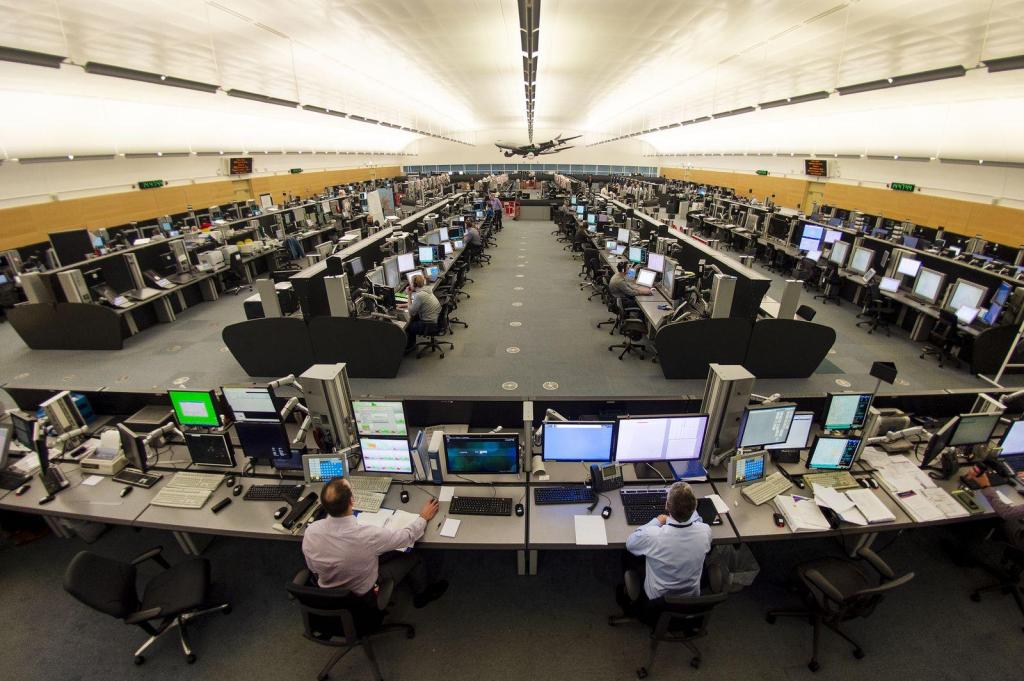
Before I continue writing, it may be useful to explain the purpose of a flight data processing system in very simple terms. Before an aircraft begins a flight, the airline sends a flight plan to air traffic control. The flight plan contains important details such as the aircraft’s identification, departure airport, destination, planned route and flying level.
The flight data processing system receives this information and presents it to air traffic controllers. It also receives changes made to the flight plan. The system helps controllers identify each aircraft they see on their radar screen and connect it with the correct flight plan.
Each aircraft is normally given a four digit identification code called a squawk code. The pilot enters this code into equipment in the aircraft. The code helps the air traffic control system identify the aircraft on the controller’s screen and connect it with the correct flight plan.
Many of these tasks are done automatically and take only a very short time. Controllers normally do not see the complicated computer work taking place in the background. They see the information they need on their screens and use it to manage the safe movement of aircraft.
What happened in the United Kingdom?
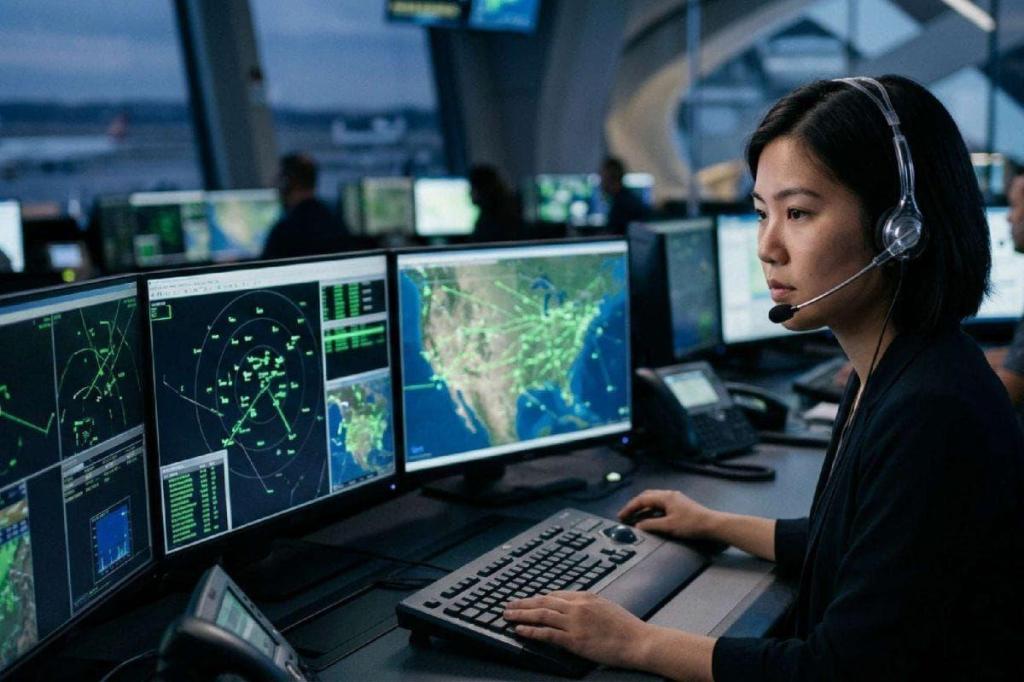
At about 1000 on 8th September 2026, a NATS air traffic controller correctly asked the system to give a squawk code to an aircraft. The flight plan was valid, and the controller did nothing wrong. It was a normal request of the type made many times every day.
While the computer was dealing with that request, another message arrived that had to be dealt with first. The system temporarily stopped processing the squawk code request and attended to the more urgent message. This was normal and was part of the way the computer system was designed to work.
After dealing with the urgent message, the computer returned to the original request. However, there was an old and previously unknown fault hidden inside the software. Because of this fault, the system did not continue the original process correctly. Some of the flight information held by the computer then became damaged or corrupted.
The most surprising part was that the problem could happen only during an extremely short period of about one millisecond. One millisecond is one thousandth of a second. If the urgent message had arrived one millisecond earlier or one millisecond later, the computer would probably have completed the job normally.
This shows how a problem can remain hidden inside a computer system for many years. A system may process millions of messages correctly, but one rare combination of events may suddenly expose a fault that nobody knew was there. We should therefore not assume that a system has no hidden weaknesses simply because it has worked well for a long time.
How the problem became more serious
At 1002, the connection between the flight data system and the system used by London Area Control was lost. London Area Control manages aircraft flying mainly at higher levels over England and Wales. The connection returned after about 45 seconds, and the system appeared to be working normally again.
Engineers started looking into the problem, but they did not yet know that some of the flight information had already become corrupted. The damaged information remained inside the system and caused further problems when the computer later tried to use it.
At 1232, the connection started failing more frequently. This was when controllers first became aware that a serious problem was developing. Some of the automatic services they normally used were no longer available, and they had to begin doing certain tasks manually.
When controllers have to do work manually, each aircraft takes more time to handle. The number of aircraft that controllers can safely manage must therefore be reduced. At 1245, NATS introduced restrictions on the number of aircraft allowed into the affected areas. Some departures from UK airports were stopped, and flights preparing to leave overseas airports for the United Kingdom were also affected.
At 1332, the connection failed completely. Controllers could still speak to pilots by radio and could still see aircraft on their radar screens. However, the automatic exchange of flight information between different air traffic control centres was no longer working properly.
Controllers then had to pass important information manually, mainly by speaking directly to controllers in neighbouring control centres. This took much longer than the normal automatic process. To keep the workload at a safe level, the number of aircraft allowed into the affected airspace had to be greatly reduced.
Restarting the computer did not immediately solve everything
The flight data system was restarted between 1517 and 1609. Many people may think that restarting a computer will immediately correct a problem, but it is not always that simple. While the systems were disconnected, new flight plans and changes to existing flight plans continued to arrive.
As a result, different parts of the system no longer held exactly the same information. Some flight plans had been duplicated, and some aircraft were connected to the wrong identification codes or callsigns. Engineers and controllers had to carefully check and correct this information before normal operations could safely continue.
The systems returned to stable operation at 1850. The remaining traffic restrictions were gradually removed, and all restrictions were finally lifted at 1930. The direct system problem had lasted for several hours, but the effect on airlines, airports and passengers continued much longer.
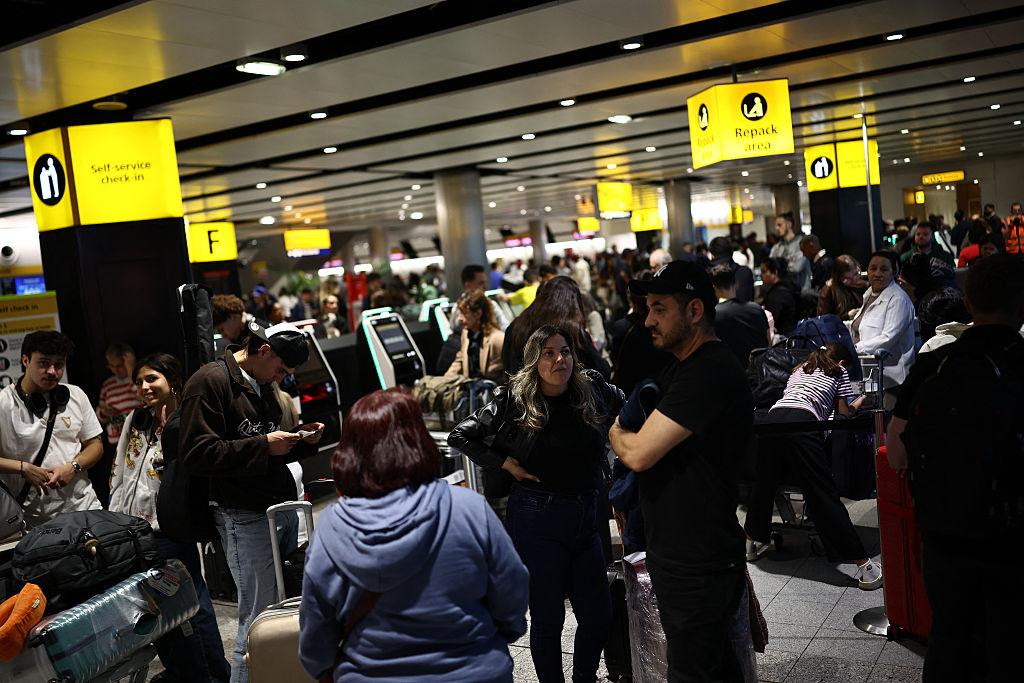
NATS had expected to handle about 8,000 flights on that day but handled only 6,094. More than 2,000 flights were delayed, cancelled or diverted. Airports became congested because arriving aircraft continued to land while many departures could not leave.
Some aircraft already in the air had to divert to other airports. Airlines then had to reorganize aircraft, pilots and cabin crews, while also helping thousands of delayed and stranded passengers. A problem that began inside one small part of a computer program quickly affected the entire aviation system.
Aircraft remained safe
It is important to understand that the failure did not mean that controllers had completely lost contact with aircraft. They could still speak to pilots, and they could still see aircraft on their radar screens. The main problem was the loss of some of the automatic flight information and coordination services.
Controllers used established backup procedures and carried out more work manually. The number of aircraft was reduced so that controllers would have enough time to deal safely with each flight. All aircraft remained safely separated throughout the incident.
Stopping and delaying flights caused serious disruption, but it was necessary to protect safety. It is always better to keep an aircraft on the ground than to allow too many aircraft into airspace where controllers are working with fewer facilities than normal.
What the UK airlines said
After reading the NATS report, I also read the statement made by Tim Alderslade, the Chief Executive of Airlines UK. He said that passengers had once again suffered because of an air traffic control failure, while airlines had been left to deal with the problems and pay the costs.
When an airline cancels or delays a flight, it may have to provide food, accommodation and other assistance to passengers. It may also have to send an aircraft to another airport, arrange replacement crews and change many other flights. One cancelled flight can affect several later flights because the aircraft and crew may no longer be in the correct place.
Airlines UK said that passengers did not need more apologies or general promises that lessons would be learned. It wanted clear proof that the weakness would be corrected. It also wanted proper investment in the NATS system so that one computer fault could not again cause such serious disruption across the country.
Airlines UK said that it would ask NATS to compensate airlines for the money they had lost. It estimated that the costs could run into tens of millions of pounds. Its concern was that airlines and their passengers were being made to pay for a failure that they did not cause and had no power to prevent.
The statement was strongly worded, but the concern is understandable. When an air traffic control system fails, the problem does not remain inside the control centre. It affects airlines, airports, passengers, hotels, transport companies and many other organizations.
Why this made me think about the Maldives
The United Kingdom handles far more flights than the Maldives. NATS expected to handle about 8,000 flights on the day of the incident. The Maldives handles only a small part of that number, but our flight data processing system can still be required to deal with several hundred international, domestic and overflying flights on a busy day.
Every flight can produce several messages. There is the original flight plan, followed by possible changes, departure information, arrival information and other updates. The system also has to deal with aircraft identification codes and information exchanged with neighbouring air traffic control centres.
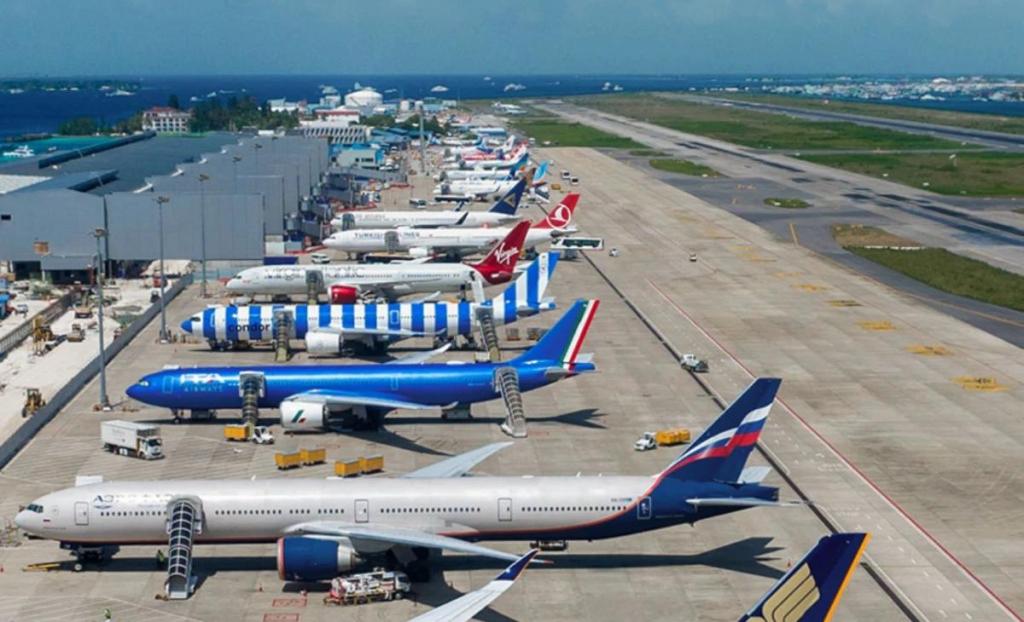
Although we handle fewer flights, we are still highly dependent on computers. If our flight data processing system failed, controllers would have to carry out many normal tasks manually. This would reduce the number of aircraft that could be handled safely at any one time.
The Maldives also has a special situation because our islands are spread over a large area of sea. Air transport is extremely important for our people, our tourism industry and our economy. Velana International Airport handles international flights, domestic flights and a large number of passengers connecting to seaplanes.
If the system failed during a busy period, flights waiting to leave Velana International Airport might have to remain on the ground. Air traffic control centres in neighbouring countries might be asked to delay aircraft planning to fly to the Maldives. Aircraft already flying towards Male’ might have to hold, divert to another airport or return to the airport from which they departed.
If arriving aircraft continued to land while departures could not leave, the parking areas at Velana International Airport could become congested. Once the parking positions are full, further arrivals might not be accepted even if the runway and weather remained suitable.
The effects would soon reach beyond the airport. Tourists could miss their seaplane or domestic connections. Resorts might have to change transfer arrangements. Domestic passengers could miss important journeys, and aircraft and crews could be left at the wrong airports.
International airlines could also face difficulties in finding suitable airports to which their aircraft could divert. The United Kingdom has many large airports close to one another. The Maldives has fewer suitable alternatives, especially for large international aircraft. Depending on their fuel, some aircraft might have to divert to another country.
Why manual work reduces the number of flights
Modern air traffic control uses computers to complete many routine tasks quickly. The computer receives the flight plan, checks it, displays it to the controller and sends information to other control centres. It also helps connect the aircraft on the radar screen with the correct flight information.
If the computer stops doing these tasks, controllers may have to write down information, speak to neighbouring controllers by telephone and manually check the identity of each aircraft. These actions are possible, but they take much more time.
A controller who can safely handle a particular number of aircraft with all systems working may be able to handle only a much smaller number when working manually. Traffic must therefore be reduced before the controller becomes too busy.
To people outside aviation, it may seem unnecessary to cancel flights when controllers can still see aircraft on radar and speak to pilots. However, seeing and speaking to an aircraft is only part of the work. Controllers also need correct information about its route, height, destination and future movements, and they must pass this information to other controllers.
What we should examine in the Maldives
After reading about the NATS incident, I feel that we should examine our own flight data processing system and our plans for dealing with a serious failure. We should do this while the system is working normally and before we face an actual emergency.
We should check whether any part of our system uses old software and whether that software is still fully supported by the supplier. Old software is not necessarily unsafe, but we need to know who can repair it, how quickly help can be obtained and whether replacement parts and technical knowledge remain available.
We should also find out whether one damaged flight plan or message could affect other information in the system. Where possible, the system should separate a faulty piece of information so that it does not spread problems to other flights.
Having a second or standby computer may not be enough. If both computers use the same software and receive the same damaged information, they may both experience the same failure. We must be certain that our backup arrangements can actually help when the main system fails.
We also need to know how many aircraft our controllers can safely handle without the flight data processing system. That number should be decided, tested and written into the procedures before an emergency happens.
Controllers should know when to restrict traffic and who has the authority to make that decision. Airlines and neighbouring air traffic control centres should also know what action will be expected from them.
The importance of training
The UK controllers regularly practised how to work when important systems were unavailable. Their training for 2025 and 2026 included a failure of the connection to the flight data system. This helped them when the real incident happened on 8th September 2026.
Written instructions alone are not enough. Controllers, engineers and supervisors in the Maldives should also practice what to do if the flight data processing system fails. The exercise should include reducing traffic, handling flight information manually and coordinating with neighbouring air traffic control centres.
The training should also cover what happens when the system is brought back into service. Restarting the computer is only the beginning of the recovery. Every flight plan, callsign and aircraft identification code must be checked to make sure that the information is correct.
Traffic should return to normal slowly and carefully. It is better to accept a little more delay than to bring back too many aircraft before everyone is certain that the information shown by the system is correct.
Keeping everyone informed
During the incident, NATS held regular discussions with airlines, airports, government organizations and other parties. Between 8th and 11th September, it held 15 coordination calls. These helped everyone understand what was happening and plan their response.
The Maldives also needs a clear method of providing information during a serious air traffic control system failure. Airlines, airport operators, government organizations, resorts, domestic operators and neighbouring air traffic control centres may all need regular updates.
Airlines should know whether they can safely send flights to the Maldives. Airport operators need to know how long restrictions may continue so that they can manage aircraft parking and passengers. Resorts and seaplane operators also need information because many international passengers have onward transfers.
The information should come from one recognized source. It should be simple, correct and issued without unnecessary delay. Different organizations should not be receiving different versions of the same situation.
The lesson for us
The incident in the United Kingdom was not caused by a controller doing something wrong. The flight plan was valid, and the request for an aircraft identification code was correctly made. There was no evidence that it was caused by a cyberattack.
The problem came from a hidden fault in an old part of the computer software. A very unusual combination of events taking place within one millisecond brought the fault to life. It then caused a much bigger problem that affected thousands of flights and passengers.
We cannot guarantee that every hidden software fault will be found before it causes trouble. However, we can prepare for what should be done if an important system fails. We can make sure that controllers and engineers are properly trained, backup arrangements are tested, traffic can be reduced quickly and airlines and airports are kept informed.
The statement by Airlines UK also carries an important message. After a major failure, an apology alone is not enough. Airlines and passengers want evidence that the problem has been corrected and that proper action is being taken to prevent it from happening again.
The NATS incident of 8th September 2026 should therefore be treated as an important lesson for the Maldives. We should use the experience of others to look carefully at our own flight data processing system and our ability to continue operating safely if it fails.
The fact that we have not experienced such a serious failure before does not mean that it cannot happen here. The software fault in the NATS system had also remained hidden for many years. It caused no known problem until one particular event took place within one thousandth of a second.


Leave a comment