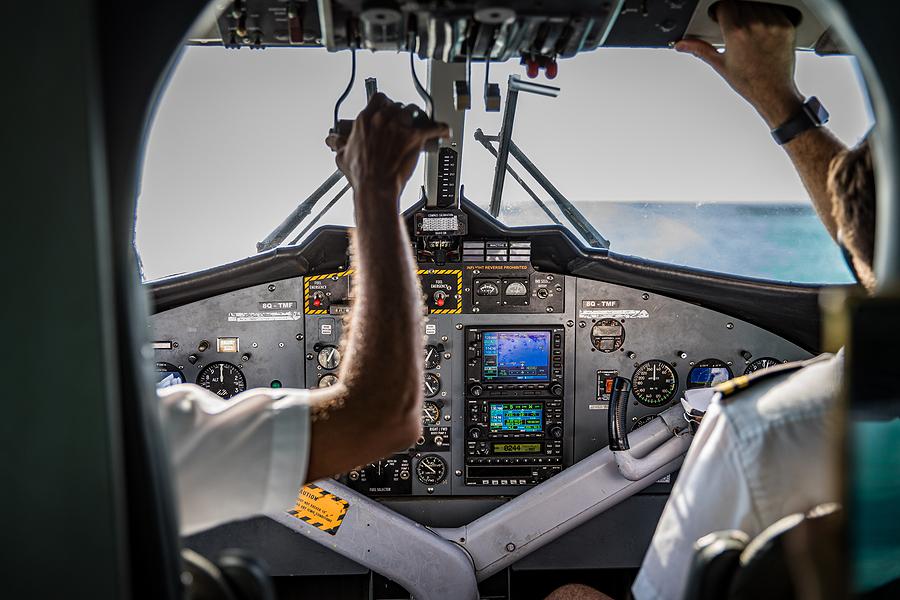
When we hear that a pilot has flown over 10,000 hours, we tend to think he must be a very good pilot. When we hear that an air traffic controller has worked for nearly 30 years, we tend to think he must be very good at controlling aircraft. I have often heard years of service mentioned as if they settle the question of how capable a person is. But the more I think about it, the less certain I am that they do.
Years of experience deserve respect. They show that a person has spent a long time doing the job. What they do not show, by themselves, is how well the person does it. Someone may have worked for 30 years or more and learned a great deal. Someone else may have also worked for the same period while doing much the same thing, in much the same way, without learning nearly as much as we assume.
What do the numbers really tell us?
A pilot’s flying hours tell us how long he has flown. They do not tell us what kind of flying he has done. A pilot who has spent years on long flights may have many more hours than one who flies short routes with several takeoffs and landings each day. Both may be capable pilots, but they have gained different experience. It would be a mistake to look only at their total hours and assume that the one with the higher number is better at everything.
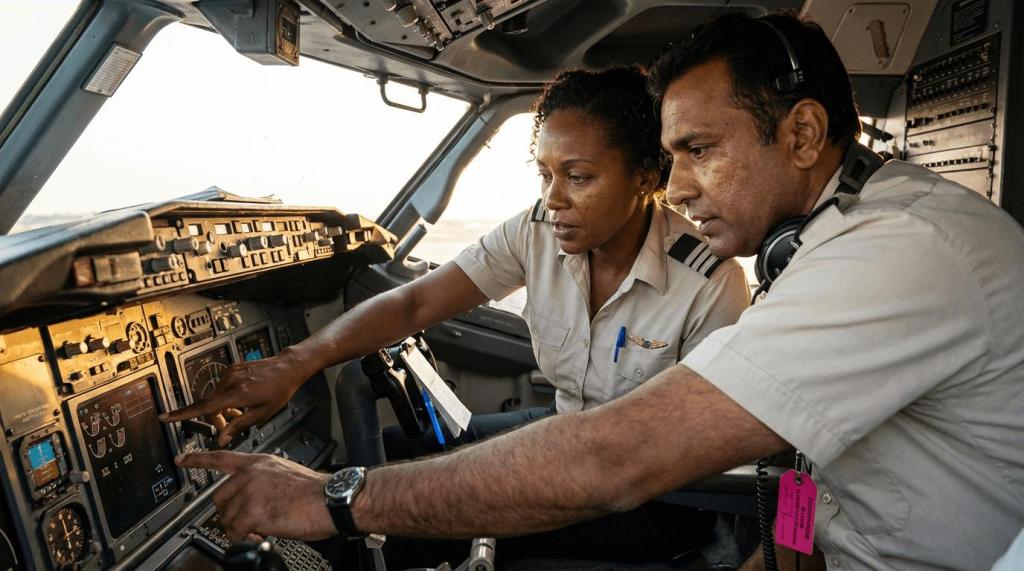
The same is true of air traffic controllers. One controller may have spent close to 30 years working mainly with light, familiar traffic. Another may have worked for fewer years but dealt with busy traffic, bad weather, equipment failures and many unusual situations. We cannot tell from their years of service alone which one would handle a difficult situation better. We need to know what each has done, what each has learned and how each performs today.
Doing a job is not the same as doing it well
A person can do a job for many years and become very good at it. But it is also possible to become very comfortable with a way of working that is less than good. If someone repeats a poor habit for a long time, it does not become a good habit. It simply becomes a familiar one. Other people may be reluctant to question it because the person is senior, and the person himself may believe that his years on the job prove he is right.
That is why I think we should be careful with the word ‘experienced’. It can mean that someone has faced many different situations, thought about them and improved over time. It can also mean only that he has been present for many years. There is a difference between the two, even though the service record may look impressive in both cases.
What have we learned from those years?
We do not learn everything just by being there when something happens. Suppose two controllers face the same difficult situation. Afterwards, one goes home and leaves it behind. The other asks himself whether he noticed the problem early enough, whether his instructions were clear and whether he could have handled it better. Both can count that day as another day of experience, but one may have learned far more from it.
We can also learn from situations faced by other people. An incident report, a discussion with colleagues or a training exercise may make us think about a problem we have never personally faced. If we are willing to listen and ask questions, we can be better prepared when something similar happens on our own watch. That willingness to learn matters more than simply adding another year to our service.

The routine may not tell the whole story
Most flights and most ATC shifts go according to plan. A pilot becomes familiar with his aircraft and routes. A controller becomes familiar with the usual traffic and procedures. With practice, both can carry out their normal work smoothly. This is valuable, but it may not show us how they will respond when the normal plan stops working.
The real test may come when the weather changes quickly, an aircraft has a problem, communication is lost or several things demand attention at once. At such a time, a pilot or controller must understand what is happening, decide what matters most and act before the situation gets worse. Many years of service may help, but the number of years cannot make that decision for him. What matters is the knowledge and judgement he has developed during those years.
Experience should not stop us from listening
No matter how long we have worked, we can still miss something. A colleague with fewer years may notice a problem first or ask a question we should have asked ourselves. If our response is, ‘I have done this for X number of years, so I know’, we may lose the chance to correct a mistake. To me, a capable person should be able to listen, check and change his mind when the facts call for it.
This does not take anything away from experienced people. Some of the best pilots and controllers I have known are the ones who remain willing to learn, however long they have worked. Their years matter because they have made good use of them. They can explain why they do something, recognize when circumstances have changed and accept that even they do not know everything.
We need to look beyond the number
I would never dismiss a pilot’s number of flying hours or a controller’s years of service. Those numbers may stand for a great deal of hard work and valuable knowledge. But if we want to know whether someone is competent, we must look further. Can the person do the job well now? Does he understand why he follows a procedure? Can he deal with an unfamiliar situation, communicate clearly and learn from a mistake? Does he keep his knowledge up to date?
Years of experience doing something do not necessarily mean competence. They give a person time and opportunity to become competent. Whether he has used that opportunity well is a different question. We should respect the years, but we should judge competence by what a person knows, how he works and the decisions he makes.


Leave a comment