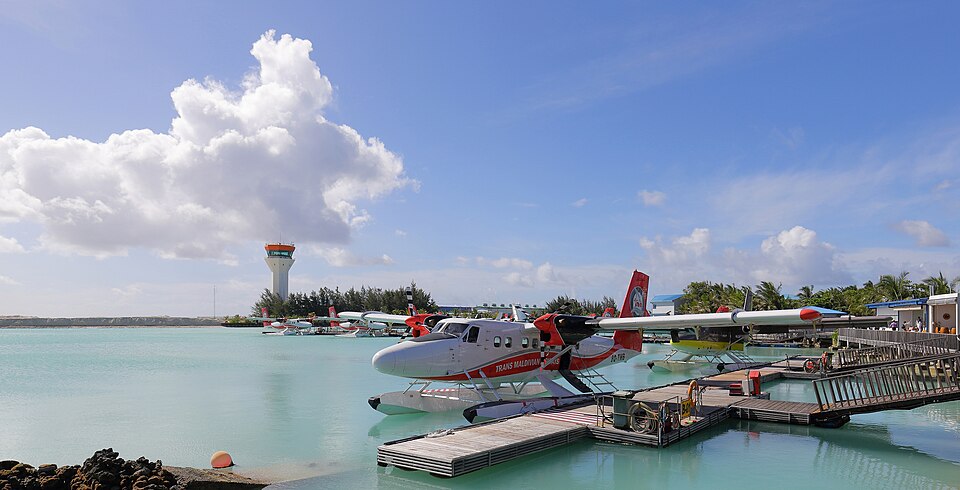
EUROCONTROL’s Network Manager published its Top Five Safety Priorities report on 23rd October 2026. It looked at 167 selected higher severity air traffic incidents from 2025. The report identified five areas needing continued attention. These concern controllers overlooking aircraft, entry into restricted airspace, aircraft without working transponders, entry into controlled airspace without clearance, and runway conflicts.
These incidents happened in Europe, but the same kinds of problems can arise in Maldives. We have international flights, domestic aircraft and seaplanes sharing airspace. We also have vehicles entering runways for inspections and maintenance. The report gives us useful lessons to consider in our own operations.
Overlooking Another Aircraft
An air traffic controller can be aware of an aircraft but overlook it when giving an instruction to another. For example, the controller may approve a climb without noticing that another aircraft is above. EUROCONTROL calls this a ‘controller blind spot’.
This is relevant around Velana International Airport, where seaplanes, domestic aircraft and international flights operate near one another. It also matters around domestic airports where seaplane paths pass close to arriving and departing aircraft.
Before giving a climb, descent or turn, the controller needs to check which traffic could be affected. Pilots also need to listen carefully, keep track of nearby traffic and speak up if an instruction appears unsafe or unclear. Workload, distractions and poor handovers should be examined when something is missed.
Entering Restricted Airspace
Restricted airspace may contain activities that are dangerous to aircraft. These could include military flying or firing. The danger may not be visible to the pilot or shown on the controller’s display.
This may be rare for Maldives, but the lesson applies whenever an area is temporarily or permanently restricted. Information about its location, height limits and active times must be clear. Pilots need to check whether it affects their route, and controllers need current information.
Those arranging activities that could affect aircraft must coordinate them in advance. This is particularly important where temporary activities take place close to airports or commonly used flight paths.
Flying Without a Working Transponder
A transponder helps surveillance equipment identify an aircraft and obtain information such as its altitude. It also helps suitably equipped aircraft detect nearby traffic. When it is missing or faulty, some of this protection can be lost.
This matters where Maldives seaplanes and domestic aircraft operate near each other. Pilots and controllers need to understand what the equipment can show and what it cannot. Seeing some traffic on a display does not mean that all nearby traffic is shown.
A failure needs to be reported and handled under the applicable procedures. We should also remember that drones may give no useful warning to a controller or an aircraft’s collision avoidance system. Keeping drones away from aircraft flight paths is therefore essential.
Entering Controlled Airspace Without Clearance
An aircraft entering controlled airspace without the required clearance creates traffic that the controller may not be expecting. A drone entering an airport approach path can create a similar danger.
In Maldives, this is relevant around all airports wherever controlled airspace has been established. Pilots must know the boundaries, make the required calls and obtain clearance before entering. Clear charts and easily understood reporting points help everyone know where an aircraft is.
Around domestic airports, pilots also need to understand whether they are receiving air traffic control or an aerodrome flight information service. The responsibilities are different. Everyone should understand what service is being provided and what remains the pilot’s responsibility.
The EUROCONTROL report does not compare different classes and categories of airspace. It does not establish that changing the airspace classifiction in Maldives would prevent close encounters. That question needs local evidence. We need to identify how our encounters happen and which changes would address them.
Missing a Runway Conflict
A runway conflict can develop when an air traffic controller clears an aircraft to land or take off without recognizing that another aircraft or vehicle is in the way. The vehicle may already have permission to be on the runway. The mistake may occur when the next clearance is given.
This applies at airports during runway inspections, maintenance and construction. The controller must know who is on the runway and must receive a clear report when they have vacated. Drivers must understand their clearance and ask if anything is unclear.
Runway reminders, stop bars and suitable surveillance or warning systems can provide extra protection. Their value depends on proper installation, maintenance and everyday use. They support the people doing the work.
What We Should Learn
Maldives depends on aircraft with different speeds and operating needs. Seaplanes serve resorts, domestic aircraft connect islands, and international aircraft bring passengers into the country. Safe operations require pilots, controllers and airport staff to understand one another’s movements and responsibilities.
Clear routes, timely position reports, proper coordination and careful runway control can reduce uncertainty. A pilot who cannot see reported traffic should say so. A controller unsure whether a runway is clear should confirm it before issuing a clearance. A driver unsure of an instruction should stop and ask.
The main lesson is that a safe ending does not always mean the operation was safe throughout. When aircraft pass too close or a runway conflict occurs, we need to find out what went wrong and what prevented an accident. That gives us a chance to improve before the same situation happens again.


Leave a Reply